

Bringing a rescue cat home is an exciting experience, but building trust takes time. A new cat may need days or even weeks to become comfortable with unfamiliar people, sounds, routines, and handling. Therefore, introducing new habits should happen gradually, and at a pace your cat can handle.
Dental hygiene deserves a place in that routine. Cats can develop plaque and tartar, which may contribute to gum inflammation, bad breath, and oral discomfort. Unfortunately, many cats hide signs of dental problems, so owners may not recognize an issue until it becomes more advanced.
For a recently rescued cat, however, forcing unfamiliar handling can create fear and make future care more difficult. Instead, use short, positive interactions to teach your cat that mouth handling does not have to be frightening or stressful.
Consistent pet dental care can support your cat’s oral health, but the process should begin with trust. Before reaching for a toothbrush, allow your cat to become comfortable with your presence, gentle touch, and a predictable daily routine.
Start With Trust Before Toothbrushing
A rescue cat may have an unknown history with handling. Some cats may have experienced stressful situations, while others may simply dislike having their face or mouth touched.
Start by sitting near your cat without forcing interaction. Let the cat approach you. Once your cat becomes comfortable, introduce gentle touches around the cheeks and chin.
Reward calm behavior with praise, affection, or a small appropriate treat. Gradually, your cat may begin to associate facial handling with positive experiences.
Introduce Mouth Handling Slowly
Do not immediately try to open your cat’s mouth. Instead, gently touch the outside of the cheeks for a few seconds.
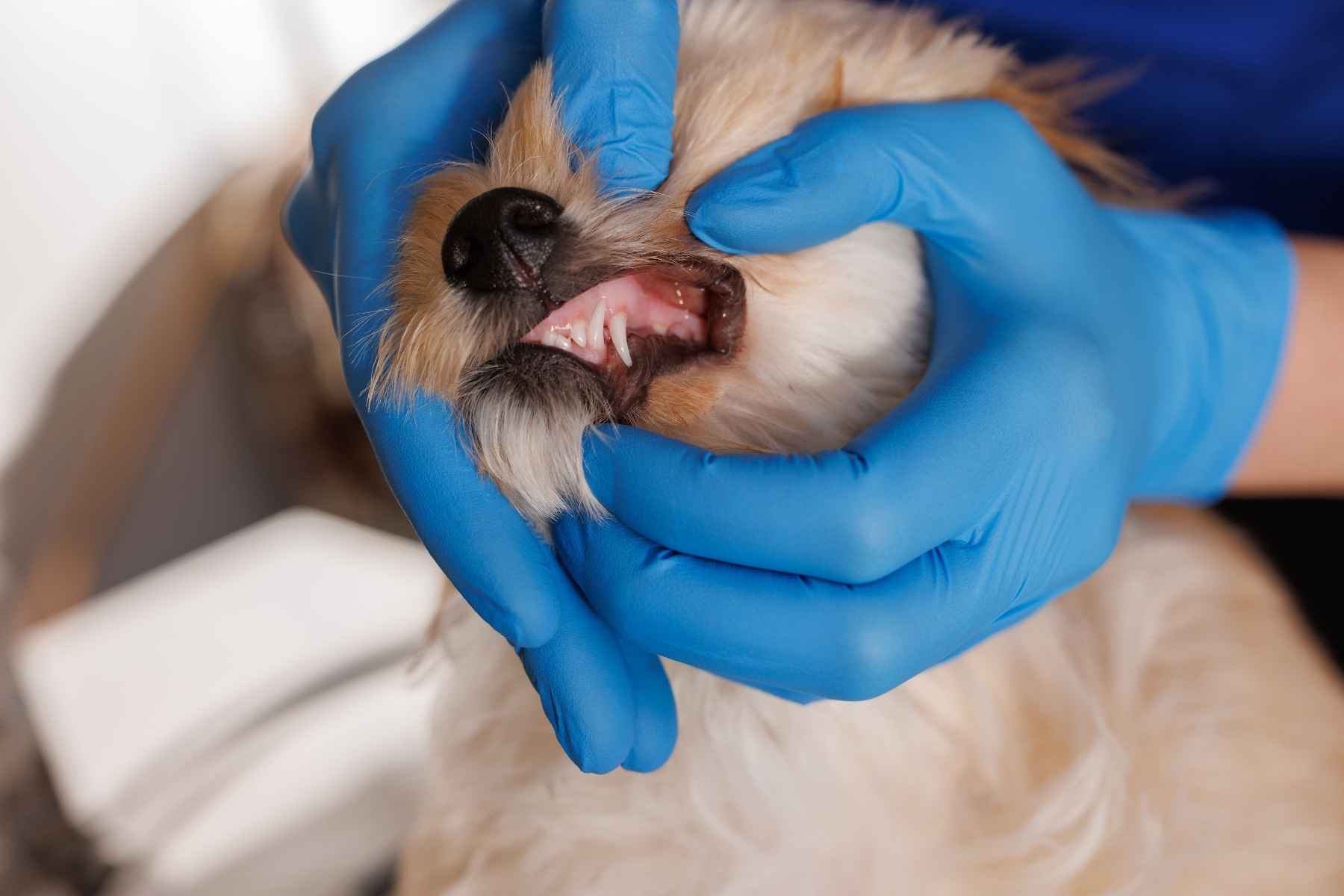
Once your cat accepts this step, briefly lift the lip to expose the teeth. Keep the interaction short and stop before your cat becomes uncomfortable.
Repeat this process regularly. Over time, your cat may become more tolerant of having the mouth examined.
Watch Your Cat’s Body Language
Pay attention to flattened ears, tail flicking, sudden head movements, hiding, hissing, or attempts to escape. These signs indicate that you should pause and return to an easier step.
On the other hand, relaxed body language, normal breathing, and willingness to remain near you suggest that your cat may be comfortable continuing.
Choose Cat-Safe Dental Supplies
Once your cat accepts mouth handling, introduce a toothbrush designed specifically for cats. A soft-bristled pet toothbrush can make brushing more comfortable.
Never use human toothpaste. Some ingredients in human dental products can be unsafe for cats if swallowed. Instead, select a veterinary-approved toothpaste formulated for cats.
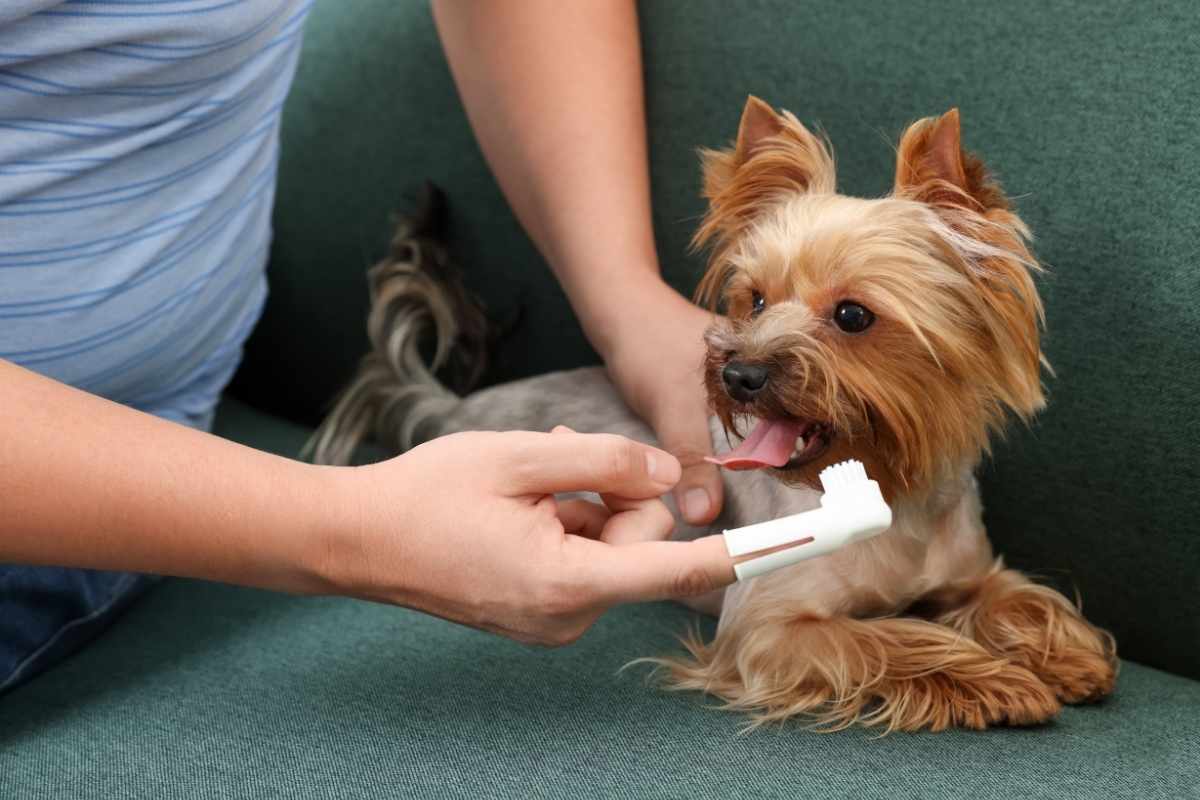
Let your cat smell and investigate the toothbrush before you attempt brushing. You can also place a small amount of cat-safe toothpaste on your finger so your cat can become familiar with its taste.
Build a Short Brushing Routine
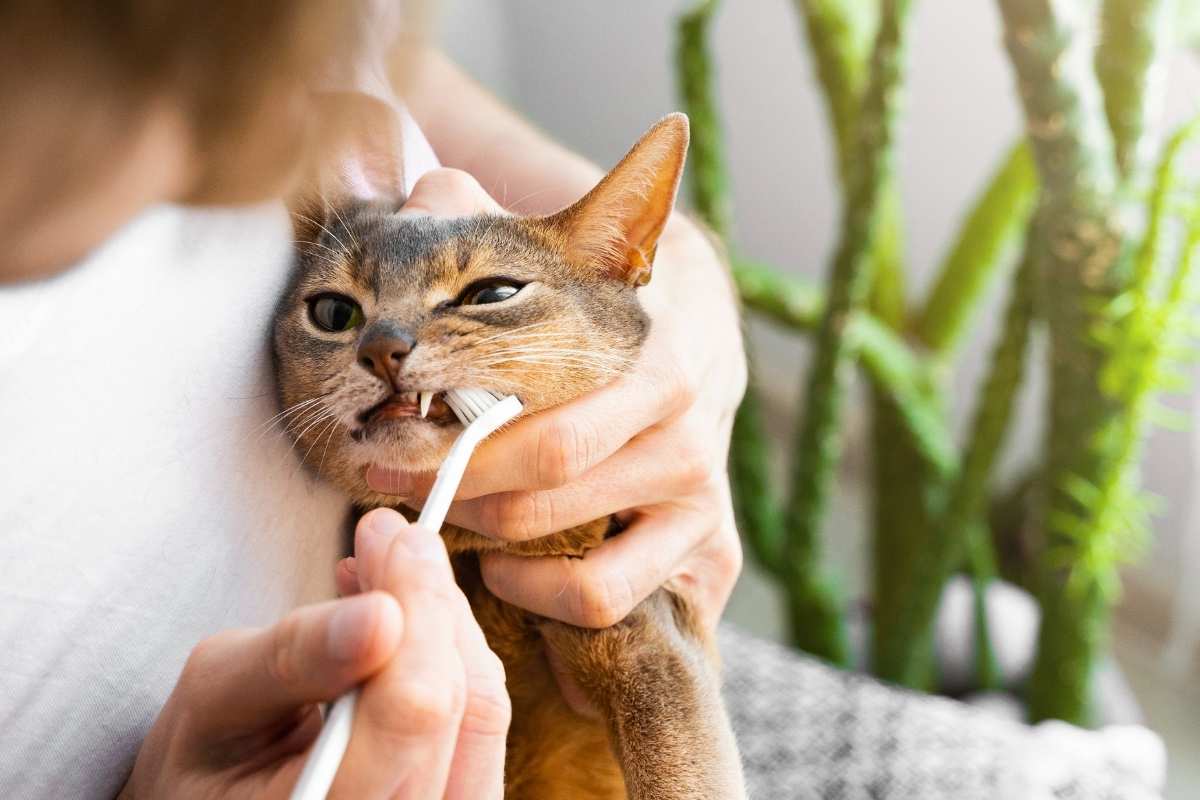
When your cat appears comfortable, gently lift the lip and brush a few teeth at a time. Focus on the outer surfaces because plaque commonly accumulates along the gumline.
At first, even a few seconds may be enough. Gradually increase the duration as your cat becomes more comfortable.
Do not worry about achieving a perfect brushing session immediately. Consistency matters more than completing every tooth during the first attempts.
Know When Professional Dental Care Is Needed
Home brushing supports oral hygiene, but it cannot replace professional dental examinations. Cats can develop dental disease beneath the gumline, where owners cannot see it.
Watch for warning signs such as persistent bad breath, drooling, difficulty eating, dropping food, pawing at the mouth, swollen gums, loose teeth, or changes in eating habits.
If your cat shows these signs, schedule a veterinary examination. A professional assessment can determine whether your cat needs additional dental treatment before you continue or intensify a home-care routine.
Make Dental Care Part of Everyday Life
Once your rescue cat accepts brushing, connect the routine with another familiar activity. For example, you might brush your cat’s teeth after a quiet play session or during a predictable evening routine.
Keep supplies in the same location and use the same gentle approach each time. This consistency can make dental care feel less unusual.
The veterinary team at Ark Veterinary Hospital & Urgent Care can also help you understand your cat’s dental needs and provide guidance if your rescue cat has difficulty tolerating oral care.
Remember that progress can take time. Some cats may accept brushing within days, while others need several weeks of gradual training.
Building dental habits with a rescue cat requires patience, consistency, and trust. Start with gentle handling, introduce dental supplies gradually, reward calm behavior, and keep early sessions brief. Most importantly, avoid turning oral care into a stressful experience.
With time, a rescue cat can learn that dental care is simply another part of its daily routine. Watch for signs of oral discomfort and seek professional guidance when necessary.
Contact Ark Veterinary Hospital & Urgent Care if your cat has persistent bad breath, difficulty eating, abnormal gums, or other signs of dental problems.
Frequently Asked Questions
Q1. How soon should I start dental care for a rescue cat?
Ans: Begin once your cat feels reasonably comfortable in the new home. Start with trust-building and gentle facial handling before introducing a toothbrush.
Q2. Can I brush my rescue cat’s teeth every day?
Ans: Daily brushing can be beneficial when your cat tolerates it. However, build up gradually and avoid forcing the process if your cat becomes distressed.
Q3. What toothpaste should I use for my cat?
Ans: Use toothpaste specifically formulated for cats and recommended by a veterinary professional. Never use human toothpaste unless a veterinarian specifically instructs you to do so.
Q4. What if my rescue cat refuses toothbrushing?
Ans: Go back to an easier step. Practice touching the cheeks or lifting the lip briefly, then reward calm behavior. Gradual training is usually more effective than forcing brushing.
Q5. Does bad breath always mean my cat has dental disease?
Ans: Persistent bad breath can indicate an oral health problem, although other conditions can also cause odor. A veterinary examination can help determine the cause.
Q6. Can brushing remove existing tartar?
Ans: Brushing helps control plaque but generally cannot remove established tartar effectively. Professional dental treatment may be necessary when significant tartar or dental disease is present.