
Dental health is an often-overlooked aspect of overall wellness for dogs and cats. Just like humans, pets are prone to plaque buildup, tartar, and gum disease, which can lead to pain, tooth loss, and even systemic health problems. While professional veterinary cleanings are essential, regular care at home plays a vital role in maintaining oral health.
Implementing home dental care tips for pets helps prevent disease, supports professional veterinary dentistry, and keeps your pet comfortable and healthy. This guidance is particularly valuable for pet owners in Henrietta, NY.
Why Home Dental Care Matters
Even with regular professional cleanings, plaque and tartar can form quickly. Home care helps slow this buildup and reduces the risk of:
- Gum inflammation and bleeding
- Bad breath
- Tooth loss
- Secondary infections affecting the heart, liver, or kidneys
Consistent home dental care, combined with routine veterinary dentistry, ensures your pet’s teeth and gums remain in optimal condition.
Daily Brushing
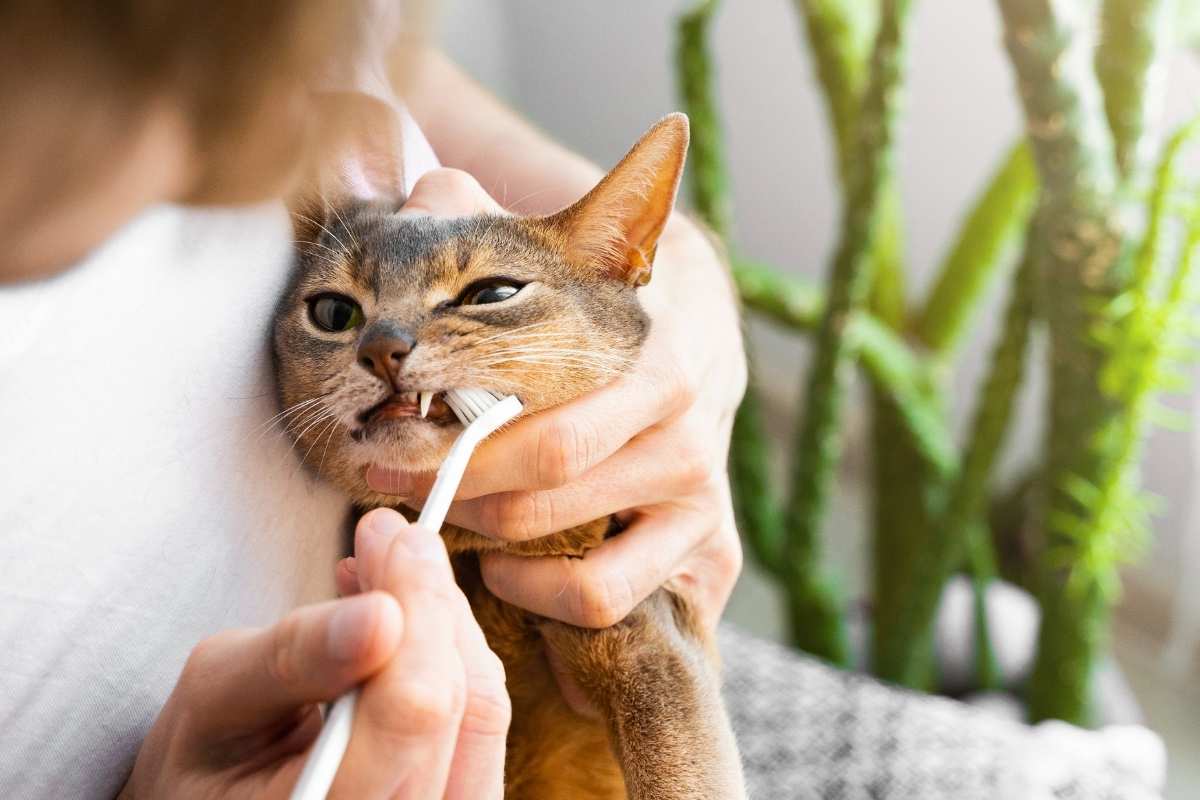
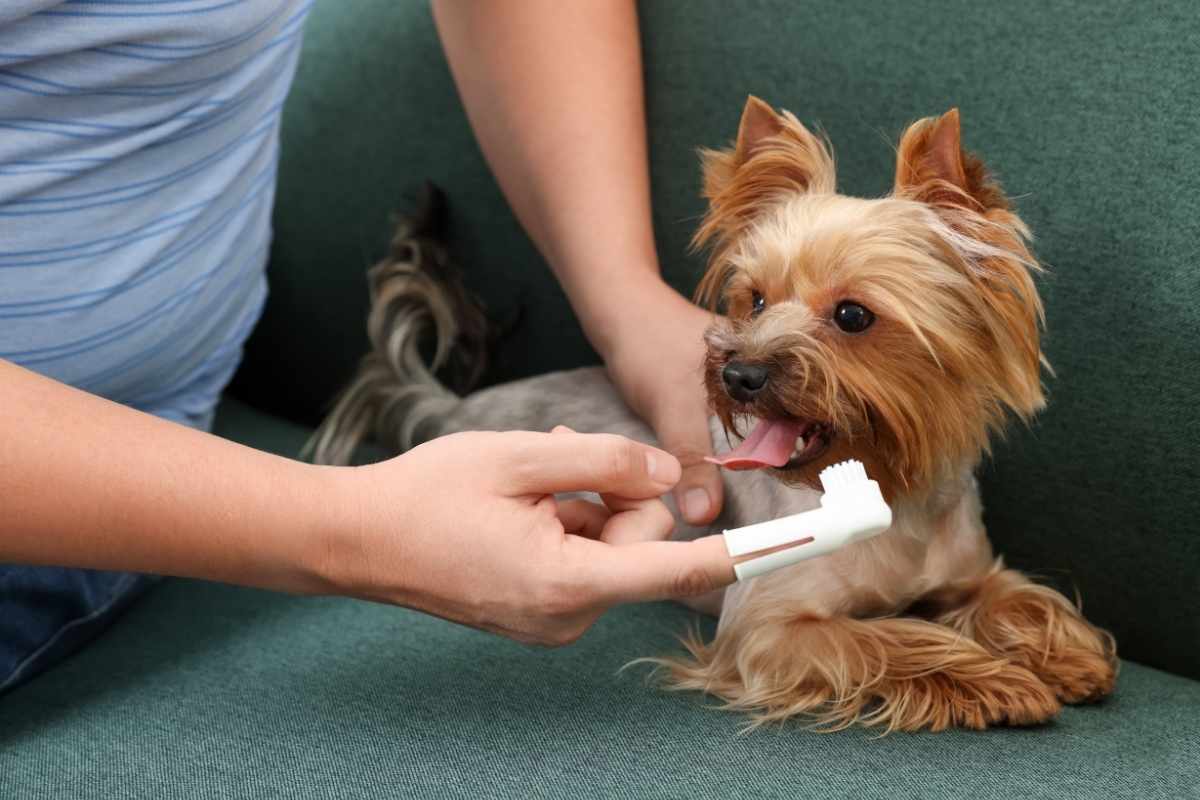
Brushing your pet’s teeth is the gold standard of home dental care tips for pets. Ideally, brushing should be done daily, but even several times a week offers significant benefits.
Tips for successful brushing:
- Use a toothbrush designed for pets or a soft-bristled child’s toothbrush.
- Apply pet-safe toothpaste; never use human toothpaste.
- Begin slowly, allowing your pet to taste the toothpaste first.
- Gently brush in small circular motions, focusing on the outer surfaces of teeth and along the gum line.
Gradually increase brushing duration as your pet becomes comfortable, making it a positive routine with praise or treats.
Dental Chews and Toys
Dental chews and toys are excellent tools to support professional veterinary dentistry. They help reduce plaque and stimulate gums while providing enrichment.
Recommendations:
- Choose products approved by veterinary dental associations.
- Avoid overly hard items that can fracture teeth.
- Rotate toys to keep your pet engaged and encourage chewing.
Chews complement brushing but do not replace it, so continue regular toothbrushing and checkups.
Water Additives and Oral Rinses
For pets that resist brushing, water additives or oral rinses provide an alternative method for maintaining oral health. These products help control bacteria and freshen breath when used as directed.
Tips for use:
- Follow manufacturer instructions carefully.
- Introduce gradually to ensure your pet accepts the taste.
- Use in combination with other home care methods for best results.
Diet and Nutrition
Certain diets are formulated to support dental health by reducing plaque and tartar accumulation. Dry kibble, particularly dental-specific formulas, can provide mild abrasive action that helps keep teeth cleaner.
Additionally:
- Avoid feeding sugary treats or human snacks.
- Provide a balanced diet that meets your pet’s nutritional needs.
- Discuss diet options with your veterinarian to choose the best plan.
Regular At-Home Inspections
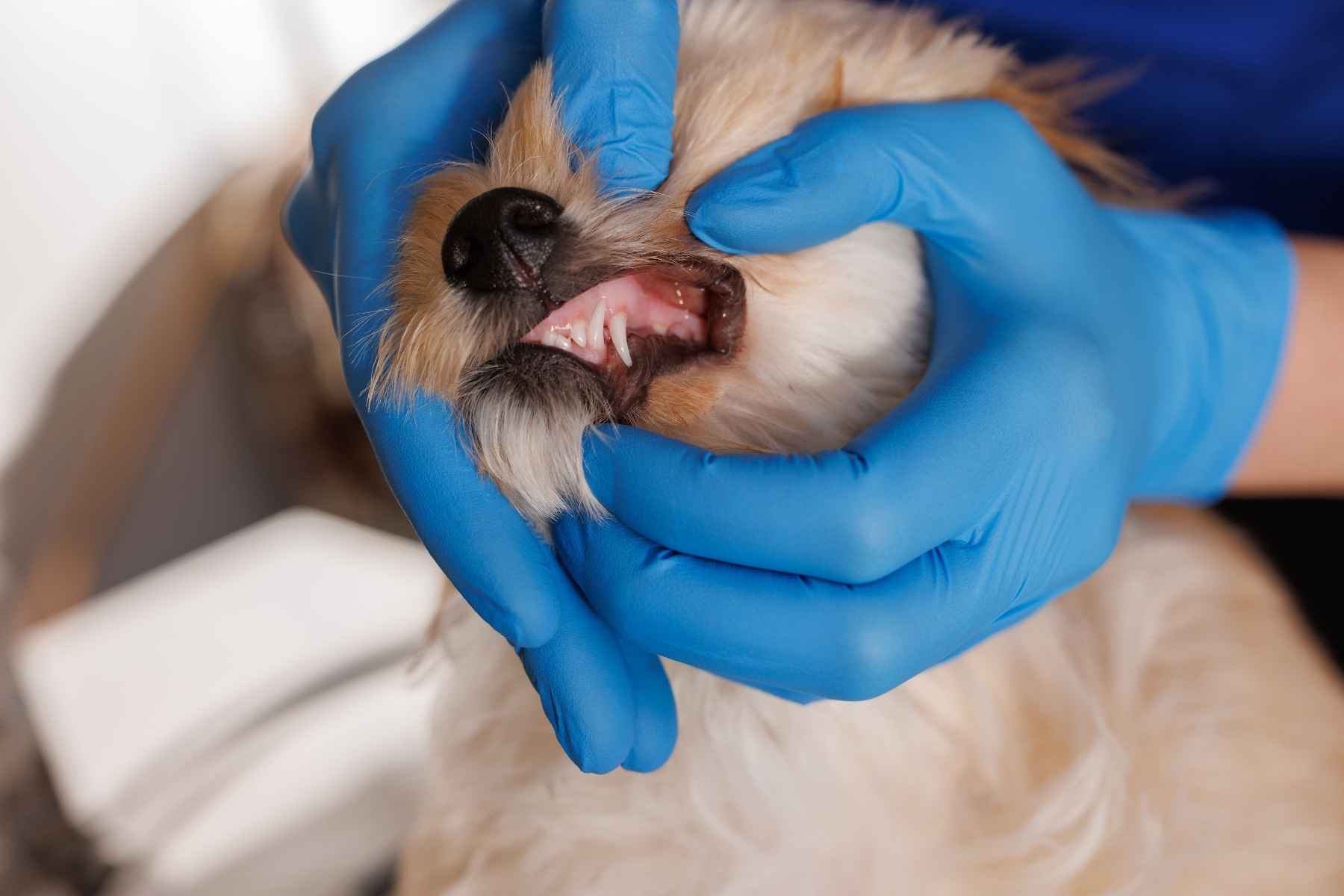
Observing your pet’s mouth between veterinary visits is another key component of pet dental care. Look for:
- Red or swollen gums
- Loose or broken teeth
- Bad breath
- Changes in chewing or eating habits
Early detection of dental issues allows prompt intervention before problems worsen.
Partnering With Your Veterinarian
Home care supports professional veterinary dentistry, but it cannot replace routine examinations. Your veterinarian will:
- Perform thorough dental exams
- Remove plaque and tartar with professional cleaning
- Identify oral disease or tumors early
- Recommend tailored home care plans
By combining in-clinic dentistry with consistent home care, your pet maintains healthier teeth and gums throughout life.
Maintaining your pet’s oral health requires both professional veterinary care and consistent attention at home. Following home dental care tips for pets – including brushing, dental chews, water additives, and regular inspections — helps prevent disease, supports professional cleanings, and keeps your pet happy and pain-free.
If you are in Henrietta, NY, and looking for a veterinarian who provides expert dental care and guidance for at-home maintenance, contact Ark Veterinary Hospital & Urgent Care today. Our team will evaluate your pet’s oral health, recommend the best dental care strategies, and help your companion enjoy strong, healthy teeth for years to come.
FAQs
Q1. How often should I brush my pet’s teeth?
Ans. Daily is ideal, but several times a week can still provide meaningful benefits.
Q2. Can cats use dental chews?
Ans. Yes, but choose products specifically formulated for cats to avoid choking or digestive issues.
Q3. Are dental wipes effective?
Ans. Dental wipes can reduce plaque but are less effective than brushing. Use them as a supplement, not a replacement.
Q4. How do I know if my pet needs professional dental cleaning?
Ans. Signs include bad breath, visible tartar, red gums, difficulty eating, or excessive drooling.
Q5. Is anesthesia required for professional cleaning?
Ans. Yes, anesthesia allows thorough cleaning and examination safely and comfortably.
Q6. Can diet alone keep my pet’s teeth healthy?
Ans. Diet helps, but it should be combined with brushing, chews, and regular veterinary care for optimal results.