
Dental health is an important part of a pet’s overall well-being, yet it is often overlooked until noticeable symptoms appear. Many dogs and cats develop dental disease gradually, and without proper treatment, oral health problems can progress into painful and potentially serious medical conditions.
At Ark Veterinary Hospital & Urgent Care, pet owners frequently ask whether bad breath or tartar buildup is truly dangerous. The reality is that untreated dental disease can affect much more than a pet’s mouth. It can impact eating habits, behavior, comfort, and even internal organ health over time.
For pet owners in Henrietta, NY, understanding the risks of untreated dental problems can help encourage earlier veterinary care and support healthier, happier pets.
Why Dental Health Matters for Pets
Plaque begins forming on a pet’s teeth shortly after eating. If not removed regularly, plaque hardens into tartar, which irritates the gums and allows bacteria to multiply.
Over time, untreated dental disease may lead to:
- Gum inflammation
- Tooth decay
- Painful infections
- Loose or damaged teeth
- Difficulty eating
- Bone loss in the jaw
Dental disease is extremely common in both dogs and cats, especially as they age.
Common Signs of Dental Problems in Pets
Many pets hide discomfort well, so dental disease can become advanced before obvious symptoms appear.
Bad Breath
Persistent bad breath is one of the earliest signs of dental disease. While mild odor can occur normally, strong or worsening odor may indicate bacterial buildup or infection.
Red or Bleeding Gums
Inflamed gums often develop as plaque and tartar accumulate along the gumline.
Difficulty Eating
Pets with oral pain may chew slowly, drop food, avoid hard kibble, or lose interest in eating altogether.
Excessive Drooling
Increased drooling can occur when dental disease causes irritation or mouth pain.
Pawing at the Mouth
Some pets rub their face, paw at their mouth, or show sensitivity around the head and jaw area.
Loose or Broken Teeth
Advanced dental disease may weaken teeth and surrounding structures, leading to tooth loss.
What Happens When Dental Problems Go Untreated?
Ignoring dental disease allows bacteria and inflammation to worsen over time. The consequences may extend beyond the mouth.
Progressive Gum Disease
Untreated plaque and tartar can cause gingivitis, which may progress into periodontal disease. This condition damages the tissues and bone supporting the teeth.
As periodontal disease advances, pets may experience:
- Chronic pain
- Gum recession
- Tooth instability
- Tooth loss
- Severe oral infections
Advanced periodontal disease can significantly reduce a pet’s quality of life.
Oral Pain and Reduced Appetite
Many pets continue eating despite oral discomfort, making it difficult for owners to recognize pain early. However, chronic dental pain can affect:
- Appetite
- Mood
- Energy levels
- Grooming habits
- Social behavior
Some pets become irritable or withdrawn due to ongoing discomfort.
Increased Risk of Infection
Bacteria from dental infections can enter the bloodstream and potentially affect other organs.
Untreated dental disease has been associated with complications involving:
- The heart
- Kidneys
- Liver
While not every pet develops these complications, chronic oral infections may increase long-term health risks.
Tooth Root Abscesses
Infected tooth roots can become extremely painful and may cause swelling beneath the eye or along the jaw. These abscesses often require tooth extraction and medical treatment.
Jaw Bone Damage
Severe periodontal disease can weaken the jawbone over time. Smaller dog breeds may be especially vulnerable to fractures associated with advanced dental disease.
Why Professional Dental Care Is Important
Home brushing and dental chews can help reduce plaque buildup, but professional cleanings remain an essential part of preventive care.
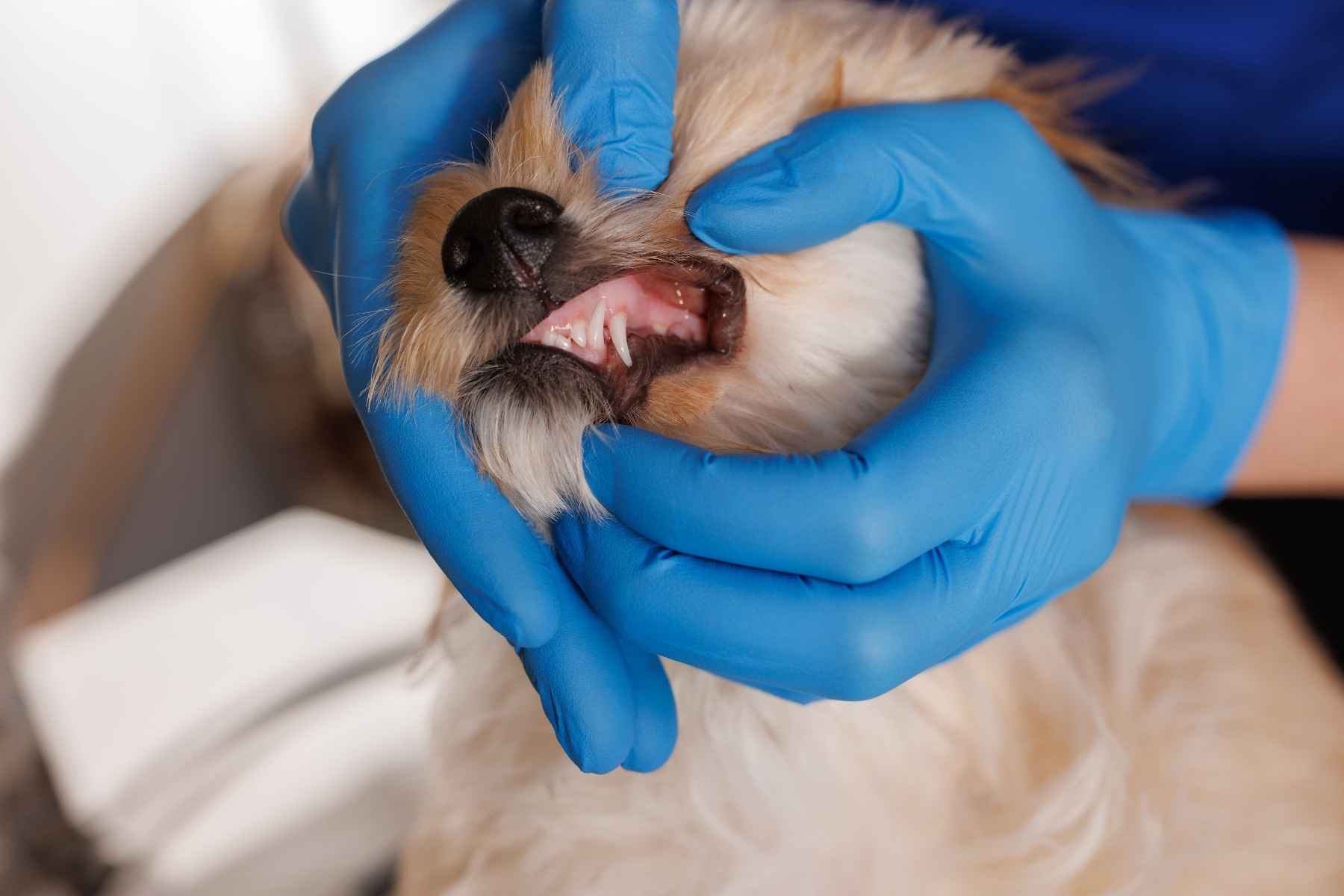
During professional dental procedures, veterinarians can:
- Remove tartar above and below the gumline
- Examine hidden dental issues
- Take dental X-rays
- Treat infections
- Extract severely damaged teeth if necessary
Modern pet dentistry allows veterinarians to diagnose and manage oral disease before it becomes more severe.
How Often Should Pets Receive Dental Exams?
Most pets benefit from yearly dental evaluations, although some breeds may require more frequent monitoring.
Small dog breeds, flat-faced breeds, and older pets are often more prone to dental disease.
Routine exams help veterinarians identify:
- Early gum disease
- Fractured teeth
- Oral masses
- Infections
- Tooth crowding
Early treatment is usually less invasive and more affordable than treating advanced disease.
Tips to Help Protect Your Pet’s Dental Health
Pet owners can support oral health at home through:
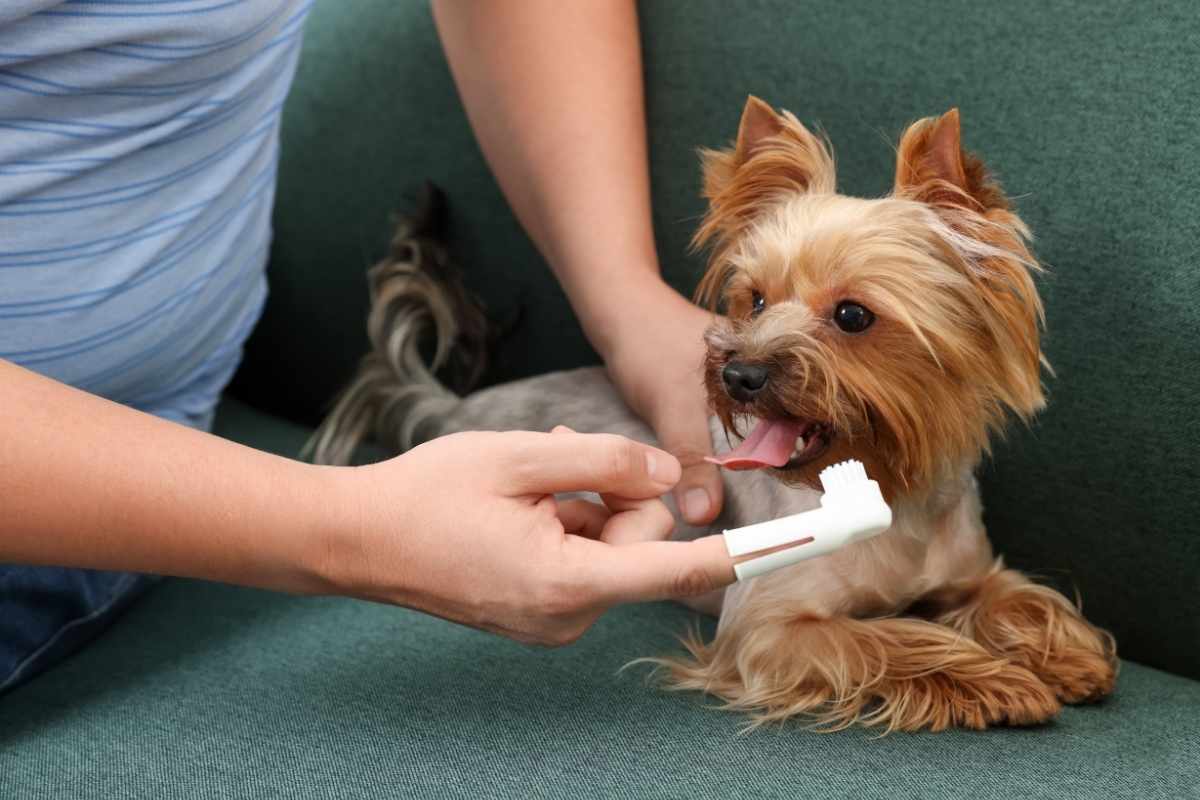
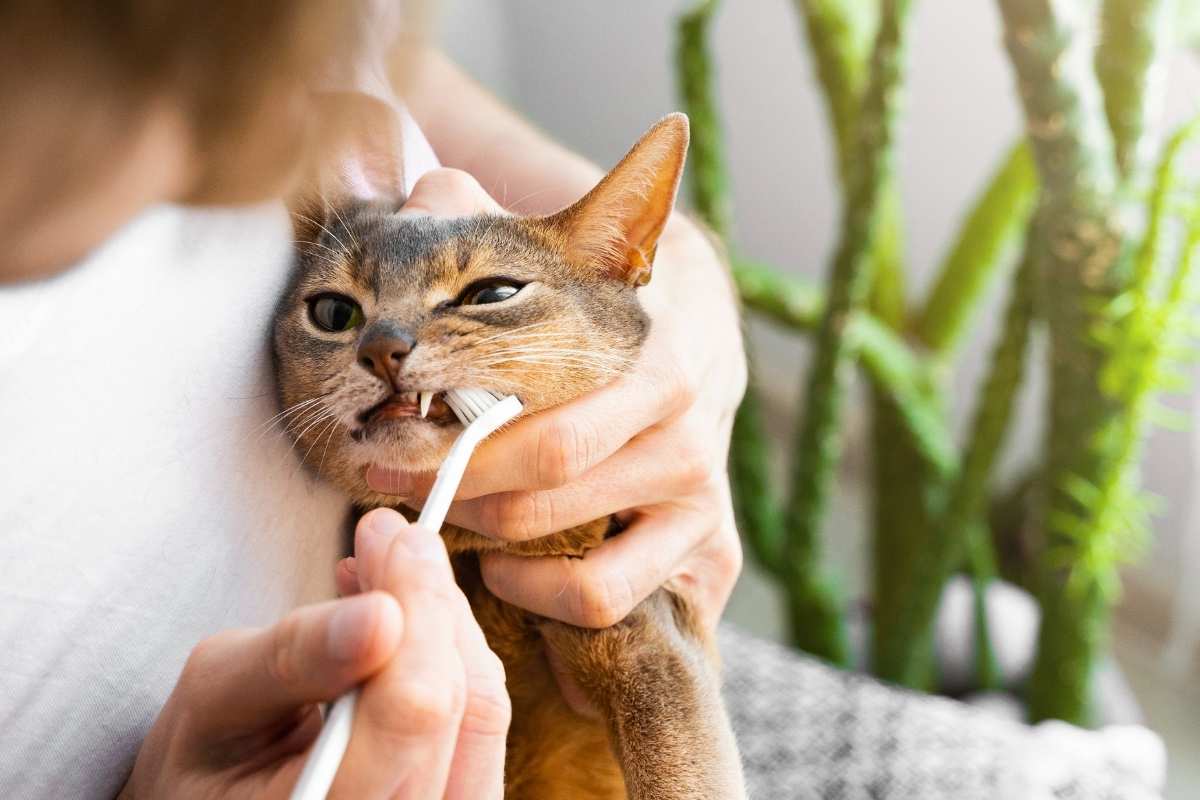
- Regular tooth brushing
- Veterinary-approved dental chews
- Routine wellness exams
- Professional cleanings as recommended
- Monitoring for bad breath or gum changes
Consistent dental care can help reduce discomfort and improve overall health throughout your pet’s life.
When to Contact Your Veterinarian
Schedule a veterinary visit if your pet develops:
- Persistent bad breath
- Difficulty chewing
- Red or bleeding gums
- Loose teeth
- Facial swelling
- Decreased appetite
- Excessive drooling
Early diagnosis and treatment can help prevent more serious complications.
For pet owners in Henrietta, NY, proactive dental care can play a major role in supporting long-term health and comfort. At Ark Veterinary Hospital & Urgent Care, our team provides comprehensive oral evaluations and preventive dental care tailored to each pet’s needs.
Frequently Asked Questions
Q1. Is bad breath in pets always a sign of dental disease?
Ans. Mild odor can occur occasionally, but persistent or strong bad breath is often one of the earliest signs of dental disease. It may indicate plaque buildup, gum inflammation, infection, or tooth decay that requires veterinary attention.
Q2. Can untreated dental disease make my pet sick?
Ans. Yes. Severe dental disease may allow bacteria to spread through the bloodstream and potentially affect internal organs such as the heart, kidneys, and liver. Chronic oral infections can also cause ongoing pain and reduced quality of life.
Q3. How often should I brush my pet’s teeth?
Ans. Daily brushing is ideal for reducing plaque and tartar buildup. Even brushing a few times per week can provide benefits. Always use toothpaste specifically designed for pets, as human toothpaste may be harmful to animals.
Q4. Do pets need professional dental cleanings?
Ans. Yes. Professional cleanings help remove tartar beneath the gumline, where brushing alone cannot reach. Veterinarians can also detect hidden dental problems such as infections, damaged teeth, or bone loss during the procedure.
Q5. Which pets are more likely to develop dental disease?
Ans. Small dog breeds, senior pets, and flat-faced breeds are often more prone to dental issues because of tooth crowding and plaque accumulation. However, any dog or cat can develop dental disease without proper oral care.
Q6. What should I do if my pet stops eating because of mouth pain?
Ans. Difficulty eating, drooling, or pawing at the mouth should be evaluated by a veterinarian promptly. These symptoms may indicate severe dental disease, infection, or a damaged tooth that requires treatment.