
We all love snuggling with our feline friends, but let’s be honest: “tuna breath” isn’t exactly pleasant. While a little odor is normal after a meal, persistent bad breath can be a sign of a deeper issue. Just like humans, cats are susceptible to dental diseases that can cause pain and impact their overall well-being.
Did you know that by age three, the majority of cats show signs of periodontal disease? It’s a staggering statistic, but it doesn’t have to be your cat’s reality. Understanding how to keep your cat’s teeth healthy is one of the most important things you can do as a pet parent. This guide will walk you through actionable steps to protect those pearly whites and ensure your kitty stays happy and comfortable.
Understanding Feline Dental Health
Before diving into prevention, it is helpful to understand what is happening inside your cat’s mouth. Dental issues usually start with plaque, a sticky film of bacteria that forms on teeth after eating. If not removed, plaque hardens into tartar (calculus), which irritates the gums.
Eventually, this leads to gingivitis (red, swollen gums) and periodontal disease. This isn’t just about teeth; bacteria from the mouth can enter the bloodstream, potentially damaging the kidneys, heart, and liver. Therefore, proactive care is vital for longevity.
Signs of Dental Problems in Cats
Cats are masters at hiding pain. In the wild, showing weakness makes them vulnerable, so your domestic cat will likely suffer in silence. You must be the detective.
Watch for these warning signs:
- Bad Breath: A strong, foul odor that persists.
- Eating Habits: Dropping food, chewing on one side, or a sudden loss of appetite.
- Behavioral Changes: Pawing at the mouth or head shyness.
- Physical Signs: Drooling, bleeding gums, or loose teeth.
If you notice any of these, it is time to investigate further or seek professional help.
The Gold Standard: Brushing Your Cat’s Teeth
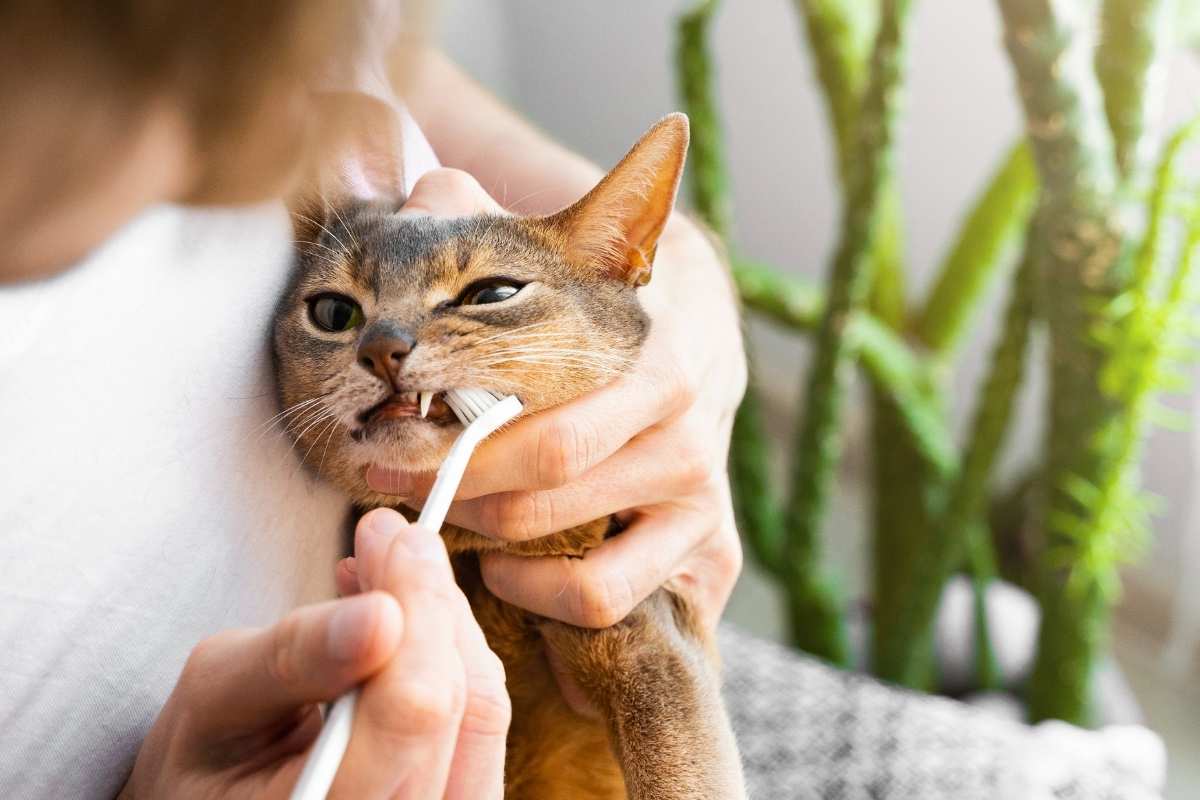
The most effective way to remove plaque is mechanical brushing. While the idea of putting a toothbrush in a cat’s mouth sounds daunting, many cats can learn to tolerate—and even enjoy—it with patience.
How to Start:
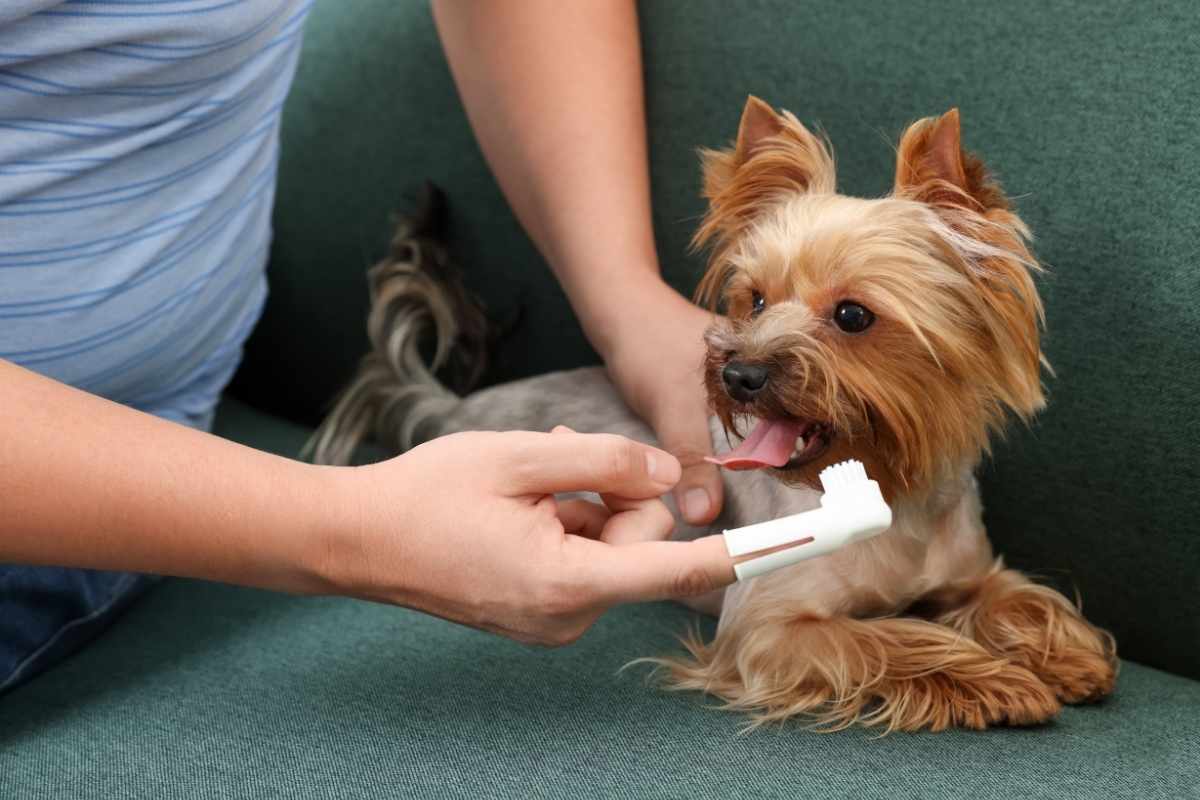
- Get the Gear: Use a vet-approved toothbrush or a finger brush and toothpaste specifically made for cats (poultry or seafood flavors are popular). Never use human toothpaste, as fluoride is toxic to pets.
- Start Slow: Let your cat lick the paste off your finger for a few days.
- Introduce the Brush: Gently rub the brush against the front teeth.
- Build a Routine: Aim for 30 seconds daily, focusing on the outer surfaces of the teeth where plaque builds up most.
Diet and Dental Treats
While brushing is best, diet plays a supporting role. There is a common myth that all dry kibble cleans teeth. In reality, most kibble shatters immediately, offering little cleaning benefit.
However, prescription dental diets are formulated with a specific texture that scrubs the tooth surface as the cat chews. Additionally, you can use dental treats approved by the Veterinary Oral Health Council (VOHC). These products contain enzymes or textures proven to reduce plaque and tartar accumulation.
The Role of Professional Veterinary Cleanings
Even with great home care, most cats will eventually need a professional cleaning. Think of this like your own visits to the dentist.
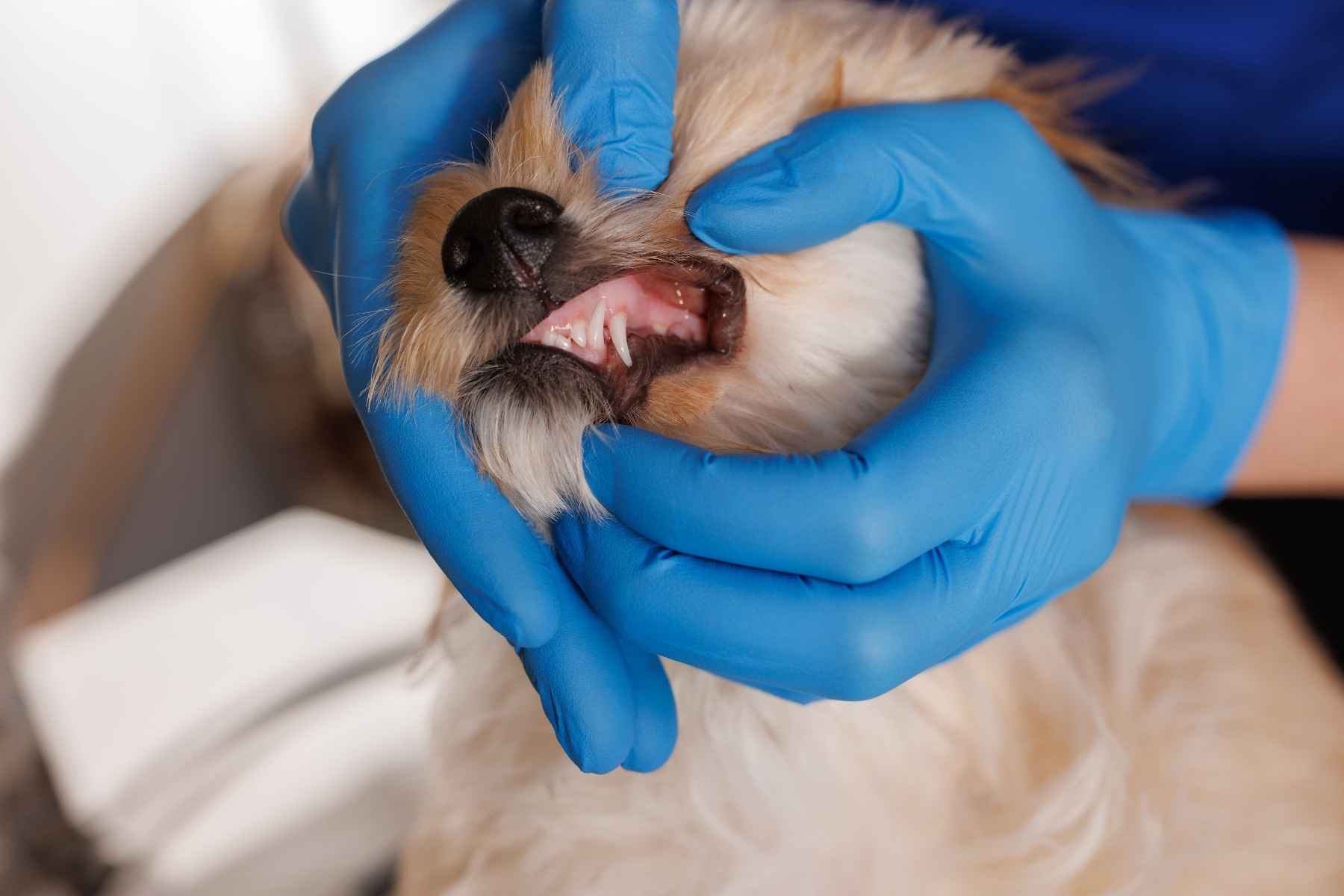
A professional veterinary dental cleaning involves:
- Anesthesia: This allows the vet to clean below the gum line (where disease hides) safely and without stress to the cat.
- Scaling and Polishing: Removal of tartar and smoothing the tooth surface.
- Dental X-rays: To assess the health of the tooth roots and jawbone.
Conveniently located in Henrietta, NY, if you are searching for a vet near me who offers nutritional counseling and comprehensive dental services, we are here to help your pet thrive.
Frequently Asked Questions
Q1: How often should I brush my cat’s teeth?
Ans: Ideally, you should brush your cat’s teeth every day to prevent plaque from hardening into tartar. If daily isn’t possible, aiming for at least three times a week is a great goal.
Q2: Can I use baking soda to clean my cat’s teeth?
Ans: No, you should not use baking soda. It has a high sodium content that can upset a cat’s delicate chemical balance and tummy, so stick to enzymatic pet toothpaste.
Q3: Does dry food actually clean my cat’s teeth?
Ans: Standard dry food provides minimal dental benefits because it shatters easily. However, specialized dental diets are designed with a fibrous structure that scrubs the tooth before breaking apart.
Q4: Is anesthesia safe for older cats during dental cleanings?
Ans: Anesthesia always carries some risk, but pre-surgical blood work and modern monitoring protocols make it very safe, even for seniors. The health risk of untreated dental infection is often much higher than the risk of anesthesia.
Q5: Why does my cat have bad breath even after brushing?
Ans: Persistent bad breath despite brushing could indicate advanced periodontal disease, tooth resorption, or internal issues like kidney disease. A veterinary exam is necessary to diagnose the root cause.
Q6: What are feline tooth resorptive lesions?
Ans: This is a painful condition where the tooth structure breaks down and is absorbed by the body. It is common in cats and requires veterinary intervention, often involving extraction of the affected tooth.