Your dog may still enjoy chewing toys, and your cat may continue eating normally, even when dental problems are developing. Plaque and tartar can build up gradually, leading to gum inflammation, infection, and painful teeth. Because pets often hide oral discomfort, their teeth may need attention long before obvious symptoms appear.
But how often should dogs and cats have their teeth professionally cleaned? Is once a year enough, or do some pets need more frequent treatment?
For pet owners in Henrietta, understanding the right dental cleaning schedule can help prevent avoidable discomfort and protect their pets’ oral health. This guide explains when professional cleanings are recommended, what affects their frequency, and how regular veterinary dental visits can help dogs and cats stay comfortable throughout their lives.
How Often Should Dogs and Cats Have Their Teeth Professionally Cleaned?
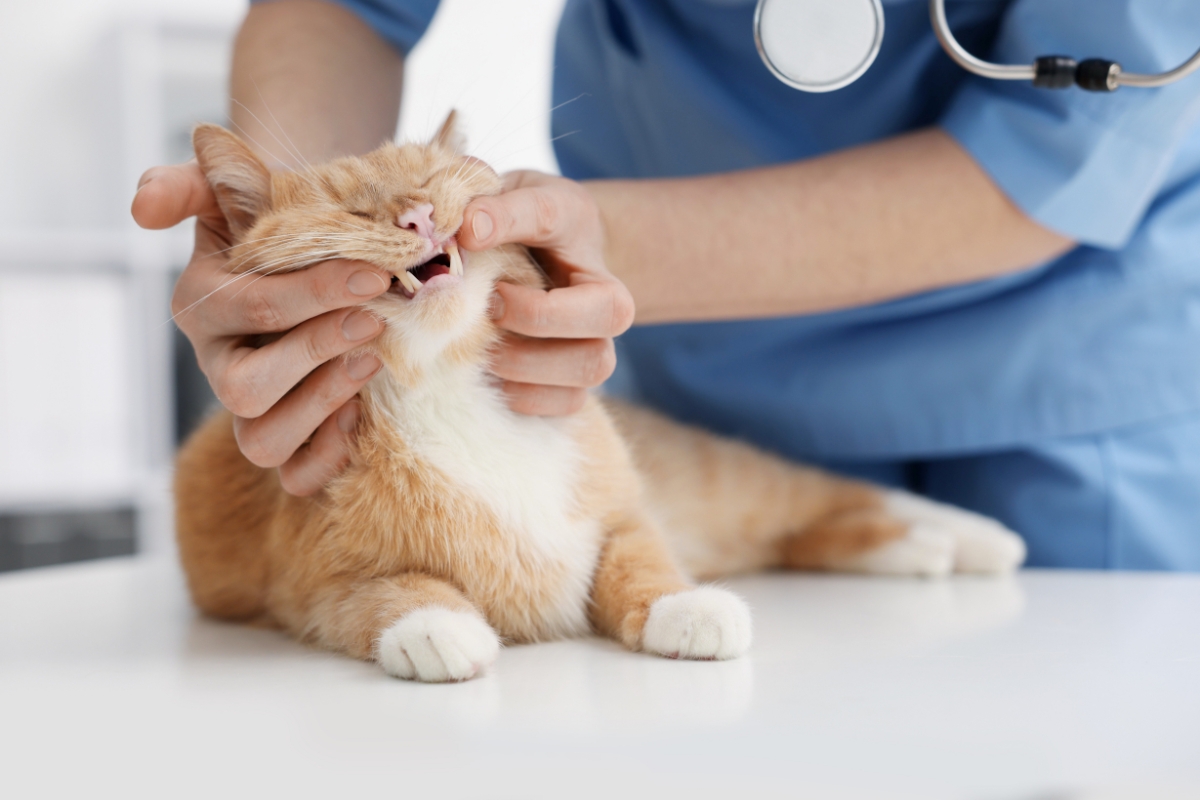
Most dogs and cats should have their teeth examined by a veterinarian at least once a year, and many benefit from professional dental cleanings approximately every 12 months. However, the ideal cleaning schedule depends on each pet’s oral health, age, breed, and medical history.
At Ark Veterinary Hospital & Urgent Care, our veterinary practice recommends annual dental cleanings as a general guideline. Our vets can assess your pet’s teeth and gums to determine whether more frequent treatment is necessary.
Some pets develop tartar quickly and may require cleaning sooner. Others maintain healthier teeth with consistent home care and may not need a cleaning every year.
The important distinction is that annual dental examinations are recommended for most adult pets, while the timing of professional cleanings should reflect their individual needs.
Why Do Dogs and Cats Need Professional Dental Cleanings?
Brushing your pet’s teeth at home helps remove plaque, but it cannot eliminate hardened tartar or treat disease beneath the gumline.
When plaque remains on the teeth, it gradually hardens into tartar. Bacteria can then contribute to inflammation around the gums and damage the tissues supporting the teeth.
Professional dental cleanings help veterinarians:
- Remove plaque and hardened tartar from the teeth.
- Clean areas beneath the gumline.
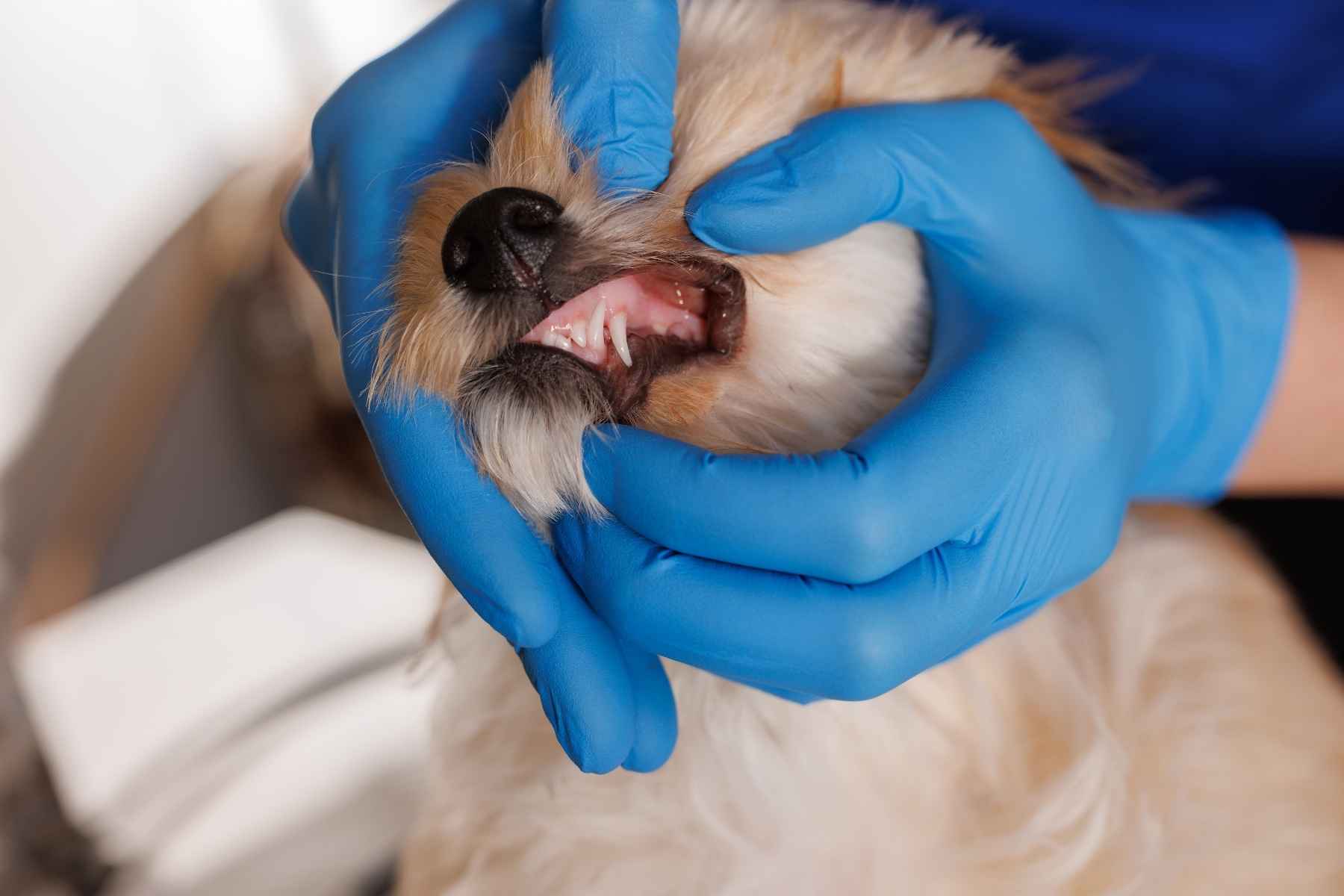
- Examine the mouth for dental disease and damaged teeth.
- Identify problems that may require additional treatment.
- Polish the teeth to help slow future plaque accumulation.
- Develop recommendations for ongoing oral hygiene.
Comprehensive professional dental cleanings are performed under general anesthesia. This allows the veterinary team to examine and clean areas that cannot be safely reached while a pet is awake.
A professional cleaning is therefore about more than improving breath. It helps identify and address oral problems that could otherwise remain unnoticed.
What Determines How Frequently Your Pet Needs Dental Cleanings?
Not every dog or cat develops dental disease at the same rate. Several factors influence how frequently professional treatment may be necessary.
Age and Dental History
Dental disease becomes increasingly common as pets get older. Years of plaque accumulation and previous gum inflammation can increase the likelihood of recurring problems.
Senior pets may benefit from more frequent oral examinations, particularly if they have previously required extractions or periodontal treatment.
Age alone does not determine whether anesthesia is appropriate. Our vets consider the pet’s overall health and individual risks before recommending treatment.
Breed and Mouth Structure
Small dog breeds, including Yorkshire Terriers, Chihuahuas, and Dachshunds, often develop periodontal disease earlier than larger breeds.
Their smaller mouths and crowded teeth can make plaque accumulation more difficult to control.
Cats can also develop dental conditions such as tooth resorption, which may cause considerable pain without obvious changes in eating habits.
Existing Gum Disease
Pets with gingivitis, periodontal disease, or recurring tartar buildup may need professional treatment more frequently.
A veterinarian may recommend shorter intervals between examinations or cleanings to monitor inflammation and prevent further damage.
Daily Oral Hygiene
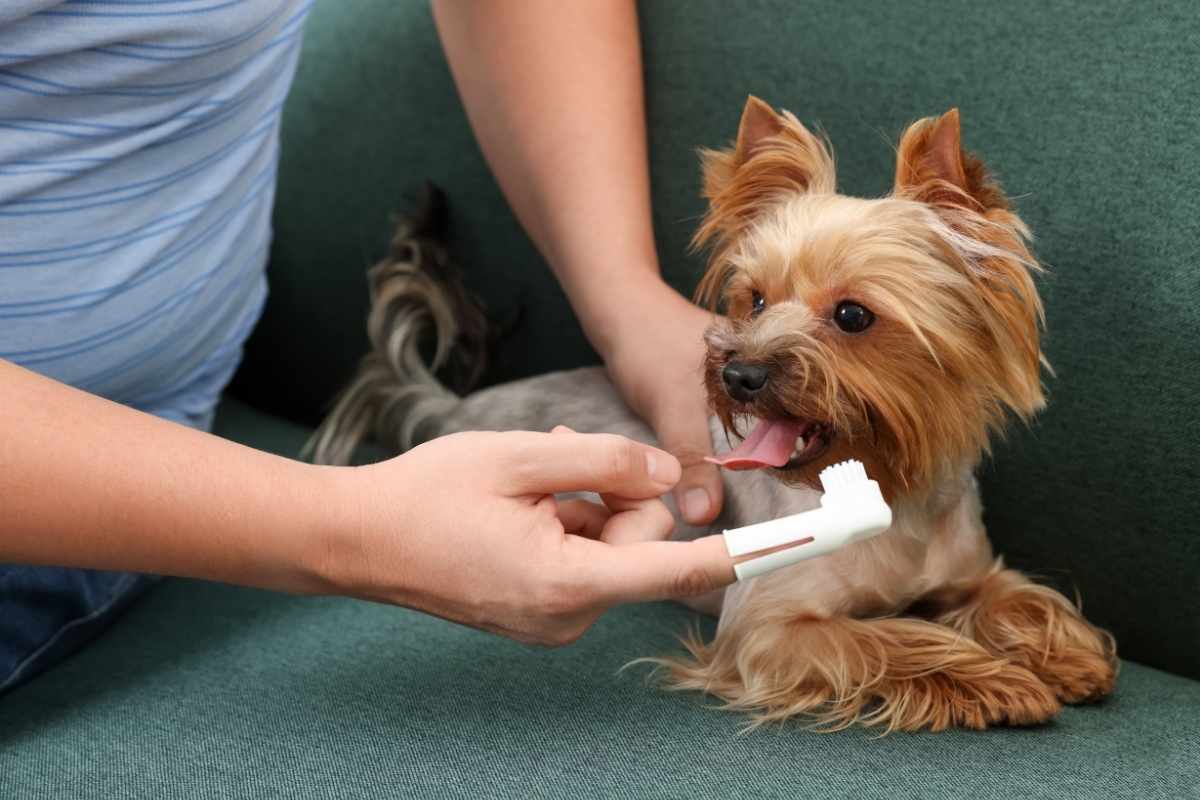
Regular brushing can make a significant difference in how quickly plaque accumulates.
Pets that tolerate daily toothbrushing may maintain healthier gums between professional visits. However, brushing cannot reverse established periodontal damage or remove hardened tartar.
Diet and Chewing Habits
Certain veterinary dental diets and approved dental chews can help reduce plaque and tartar buildup.
However, ordinary dry food does not reliably prevent dental disease. Hard bones, antlers, and other rigid chews can also fracture teeth.
Our veterinary practice can help owners identify safer dental products for their pets.
What Are the Warning Signs That Your Pet Needs a Dental Cleaning?
Sometimes, a pet needs dental attention before their next scheduled appointment.
Watch for the following changes:
- Persistent bad breath: An unpleasant odor may indicate plaque accumulation, gum disease, or infection.
- Yellow or brown deposits: Visible tartar near the gumline suggests that professional cleaning may be necessary.
- Red or bleeding gums: Inflamed gums can be an early sign of periodontal disease.
- Difficulty chewing: Pets may drop food, chew on one side, or avoid harder treats.
- Excessive drooling: Increased saliva production can occur when oral tissues become irritated or painful.
- Reduced appetite: Dental discomfort may make eating difficult.
- Loose or broken teeth: These problems require veterinary evaluation and may need treatment beyond cleaning.
Some pets continue eating despite significant dental pain. Therefore, a normal appetite does not necessarily mean their teeth are healthy.
If you notice any of these symptoms, schedule a dental examination rather than waiting for the next routine cleaning.
What Happens During a Professional Veterinary Dental Cleaning?
Understanding the process can help pet owners feel more comfortable when scheduling dental treatment.
Before the Procedure
Our vets review your pet’s medical history and examine their overall health. Pre-anesthetic blood testing may be recommended to evaluate organ function and identify potential concerns.
The veterinary team determines an appropriate anesthetic plan based on the pet’s health and procedure requirements.
During the Cleaning
Professional dental treatment generally involves removing plaque and tartar from visible tooth surfaces and beneath the gumline.
The teeth are then polished, and the mouth is examined for abnormalities.
Dental X-rays may be recommended to identify problems affecting the roots and surrounding bone. If damaged teeth or advanced periodontal disease are discovered, additional treatment may be necessary.
After the Procedure
Pets are monitored while recovering from anesthesia. Depending on the treatment performed, the veterinarian may provide instructions concerning feeding, medication, and activity.
Most pets undergoing uncomplicated dental cleanings return to their usual routines relatively quickly. Pets requiring extractions or other dental procedures may need additional recovery time.
Can Regular Home Care Reduce the Need for Frequent Cleanings?
Daily oral hygiene is an important part of pet dental care, even when your dog or cat receives routine professional cleanings. Brushing is generally the most effective home method for reducing plaque accumulation.
To help protect your pet’s teeth:
- Brush daily using toothpaste formulated specifically for pets.
- Introduce brushing gradually with short, positive sessions.
- Choose dental products accepted by the Veterinary Oral Health Council (VOHC).
- Avoid extremely hard chew toys that could fracture teeth.
- Examine your pet’s mouth regularly for visible changes.
- Keep up with recommended veterinary dental examinations.
Never use human toothpaste because certain ingredients can be harmful to pets.
If your pet resists brushing, ask your veterinarian about alternative products. Dental wipes, approved chews, and veterinary dental diets may provide some benefit.
However, these products do not replace professional treatment when tartar or periodontal disease is already present.
Why Is Waiting Until Your Pet Shows Pain a Risk?
Dogs and cats do not always communicate dental pain in obvious ways. A dog with a painful tooth may continue playing fetch. A cat with inflamed gums may still approach its food bowl every morning.
Meanwhile, untreated periodontal disease can progressively damage the gums, ligaments, and bone supporting the teeth. Advanced dental disease may eventually cause tooth loss, infection, and difficulty eating.
Regular examinations allow veterinarians to recognize developing problems before they become more complicated. Early treatment may also reduce the need for extensive dental procedures later.
How Can Our Veterinary Practice Help Maintain Your Pet’s Dental Health?
Our approach to pet dental care begins with understanding your pet’s current oral health rather than relying on a fixed cleaning schedule for every animal. At our veterinary practice in Henrietta, we evaluate dental concerns such as bad breath, visible tartar, difficulty chewing, and changes in appetite.
Our vets can recommend professional cleanings when necessary and help owners understand the importance of continued oral hygiene. For pets with recurring dental problems, follow-up examinations help determine whether the recommended cleaning schedule remains appropriate. Regular veterinary visits also provide opportunities to discuss brushing techniques, dental products, and changes in oral health that owners should monitor at home.
Help Your Pet Enjoy Healthier Teeth and Greater Comfort
Healthy teeth allow dogs and cats to eat comfortably, enjoy their favorite activities, and maintain their normal routines. Professional dental cleanings help protect that comfort by addressing plaque, tartar, and developing oral disease before problems become more serious.
At Ark Veterinary Hospital & Urgent Care, we help pet owners in Henrietta understand their animals’ dental needs and make informed decisions about ongoing treatment. Our goal is to support healthier mouths and more comfortable lives through regular examinations and appropriate dental treatment.
Is your pet due for a dental cleaning, or have you noticed signs of oral discomfort? Contact Ark Veterinary Hospital & Urgent Care today at 585-487-8700 or schedule an appointment through our website. Our veterinary team is ready to evaluate your pet’s teeth and recommend the next steps toward better dental health.
Frequently Asked Questions
Q1. Do all dogs and cats need professional dental cleanings every year?
Ans. Not necessarily. Annual dental examinations are recommended for most adult pets, but cleaning frequency depends on oral health. Some animals benefit from yearly cleanings, while others require different intervals based on their veterinarian’s findings.
Q2. Can professional dental cleanings prevent tooth loss in pets?
Ans. Regular cleanings can help reduce plaque and tartar and allow veterinarians to identify periodontal disease early. Timely treatment may reduce the risk of tooth loss, although advanced dental damage cannot always be reversed.
Q3. Is anesthesia necessary for professional dental cleanings?
Ans. Yes. General anesthesia allows veterinarians to clean beneath the gumline, examine the mouth thoroughly, and perform dental imaging when needed. Anesthesia-free cleaning cannot provide the same comprehensive assessment or treatment.
Q4. Where can I schedule a professional dog dental cleaning in Henrietta?
Ans. Ark Veterinary Hospital & Urgent Care provides veterinary dental services in Henrietta. Our vets can examine your dog’s teeth, assess tartar buildup and gum health, and recommend whether professional cleaning is appropriate.
Q5. Can I bring my cat to Ark Veterinary Hospital & Urgent Care for dental problems?
Ans. Yes. Ark Veterinary Hospital & Urgent Care evaluates dental concerns in cats, including bad breath, difficulty chewing, and visible gum inflammation. Our veterinary team can recommend appropriate dental treatment based on your cat’s oral health.
Q6. How can I find out whether my senior pet needs dental cleaning in Henrietta?
Ans. Schedule a dental examination with Ark Veterinary Hospital & Urgent Care. Our vets can assess your senior pet’s teeth, review their medical history, and discuss appropriate dental treatment and anesthesia considerations based on their overall health.