
When your pet undergoes surgery, whether it’s a routine spay or neuter procedure or a more advanced orthopedic operation, proper pain management is an essential part of the recovery process. Pain is more than just discomfort. It can slow healing, reduce appetite, increase stress, and affect your pet’s overall well-being. Fortunately, advances in veterinary medicine have made it possible to manage postoperative pain safely and effectively, helping pets recover more comfortably.
As a pet owner, understanding what to expect after surgery and how to support your pet at home can make a significant difference in their healing journey. This guide explains why pain management matters, common pain control methods, signs your pet may be uncomfortable, and practical ways to ensure a smooth recovery.
Why Pain Management Matters After Pet Surgery
Surgery places stress on the body, and some level of discomfort is expected afterward. However, untreated pain can have a negative impact on your pet’s recovery.
Effective pain management helps:
- Promote faster healing
- Encourage normal eating and drinking
- Improve mobility when appropriate
- Reduce anxiety and stress
- Support better sleep and rest
- Lower the risk of postoperative complications
- Enhance your pet’s overall quality of life
Managing pain is not only about keeping your pet comfortable. It is also an important medical component of successful surgical recovery.
How Pets Experience Pain
Dogs and cats often hide signs of pain, making it challenging for owners to recognize when something is wrong. This instinct comes from their natural behavior, where showing weakness could make them vulnerable.
Your pet may experience pain differently depending on:
- The type of surgery performed
- Their age
- Overall health
- Pain tolerance
- Existing medical conditions
Because pets cannot tell us how they feel, careful observation is essential during recovery.
Common Signs Your Pet May Be in Pain
After surgery, monitor your pet closely for signs that may indicate discomfort.
Common signs include:
- Whining or vocalizing
- Restlessness
- Panting without exercise
- Trembling
- Reluctance to move
- Hiding
- Decreased appetite
- Excessive licking at the surgical site
- Changes in posture
- Aggression when touched
- Difficulty sleeping
- Reduced interest in family interaction
If these signs worsen or persist despite prescribed medications, contact your veterinarian promptly.
Types of Pain Medications Used After Surgery
Veterinarians develop individualized pain management plans based on each pet’s procedure, medical history, and recovery needs.
Nonsteroidal Anti-Inflammatory Drugs (NSAIDs)
NSAIDs are commonly prescribed to reduce inflammation and relieve postoperative pain.
These medications help:
- Minimize swelling
- Improve comfort
- Support mobility
- Reduce inflammation during healing
Always give NSAIDs exactly as prescribed and never substitute human medications, as many are toxic to pets.
Opioid Medications
For more extensive surgeries, veterinarians may prescribe opioid medications for short-term pain relief.
These medications are especially helpful following:
- Orthopedic surgery
- Abdominal surgery
- Trauma repair
- Complex soft tissue procedures
Your veterinarian will explain proper dosing and potential side effects.
Local Anesthetics
Many surgical procedures include local anesthetics that temporarily block pain around the surgical site.
These medications provide immediate postoperative comfort while longer-lasting pain medications begin working.
Multimodal Pain Management
Modern veterinary medicine often combines multiple pain relief methods.
This approach, called multimodal pain management, targets pain through different pathways and may reduce the amount of each medication needed while improving overall comfort.
Why You Should Never Give Human Pain Medications
One of the most dangerous mistakes pet owners can make is offering over-the-counter human pain relievers.
Common medications such as:
- Ibuprofen
- Naproxen
- Acetaminophen
- Aspirin
can cause serious complications, including stomach ulcers, liver damage, kidney failure, or poisoning in dogs and cats.
Always consult your veterinarian before giving any medication.
Caring for Your Pet at Home After Surgery
Pain medications work best when combined with proper home care.
Create a Quiet Recovery Area
Choose a calm location away from excessive noise, children, and other pets.
Provide:
- Soft bedding
- Comfortable room temperature
- Easy access to water
- Limited household traffic
Rest plays a major role in healing.
Limit Activity
Even if your pet appears energetic, excessive movement can interfere with healing.
Depending on the procedure, your veterinarian may recommend:
- Short leash walks only
- Crate rest
- Avoiding stairs
- No running or jumping
- Restricted play
Following these instructions helps prevent complications such as swelling or incision problems.
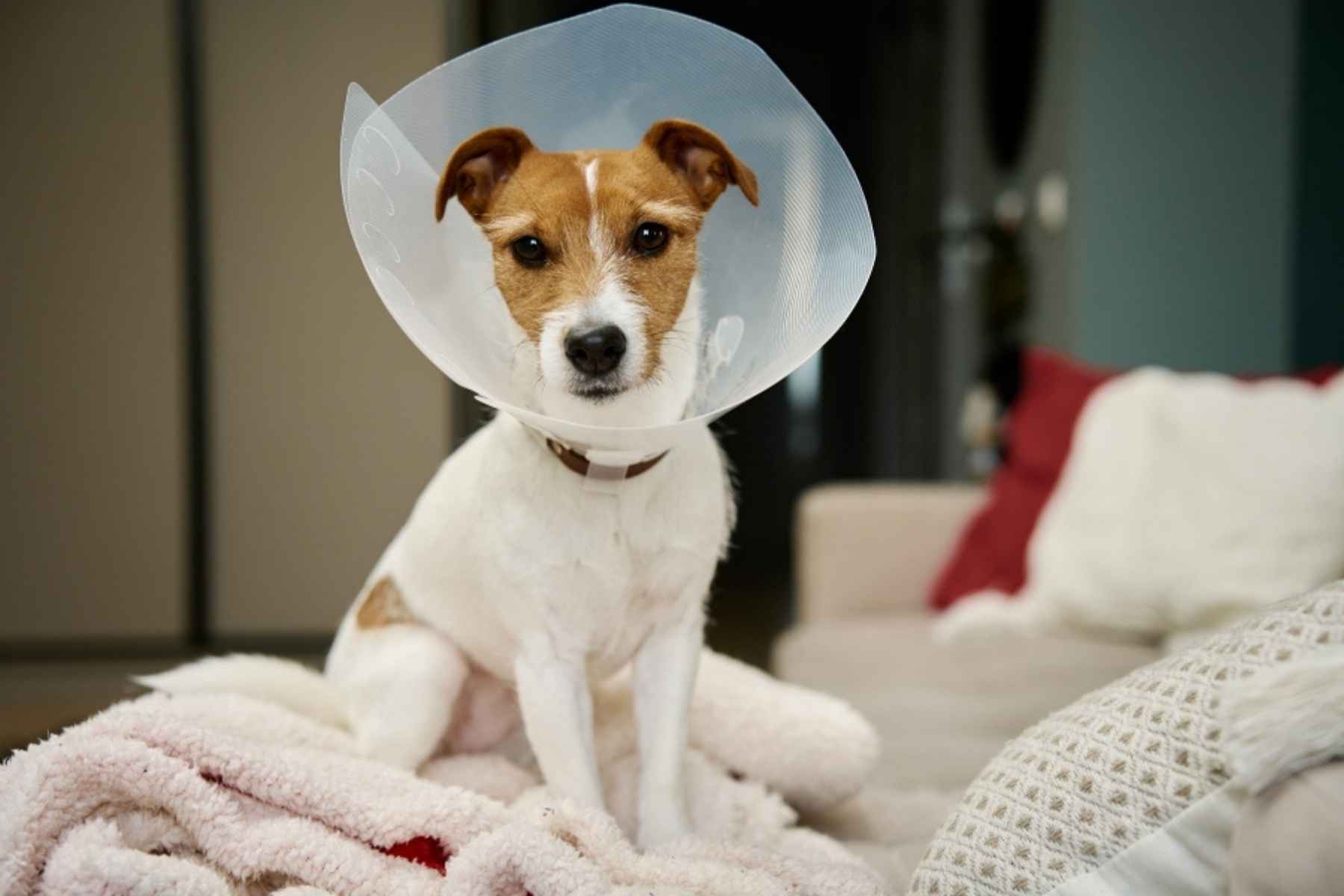
Prevent Licking and Chewing
Many pets instinctively lick surgical wounds.
Using an Elizabethan collar or another veterinarian-approved protective device helps prevent:
- Infection
- Suture damage
- Delayed healing
Keep the protective collar on unless instructed otherwise.
Monitoring the Surgical Incision
Check your pet’s incision daily.
A healthy incision should appear:
- Clean
- Dry
- Slightly pink
- Free from excessive swelling
Contact your veterinarian if you notice:
- Pus or discharge
- Foul odor
- Significant redness
- Bleeding
- Missing sutures
- Opening of the incision
Early intervention helps prevent more serious complications.
Nutrition Supports Recovery
Many pets have a reduced appetite immediately after surgery.
Offer:
- Fresh water
- Small meals
- Easily digestible food if recommended
- Normal diet unless instructed otherwise
Avoid introducing new treats or foods unless approved by your veterinarian.
If your pet refuses food for more than 24 hours or water for several hours, seek veterinary advice.
Follow Medication Instructions Carefully
Pain medications are most effective when given according to schedule.
Important reminders include:
- Never skip doses unless instructed
- Do not double a missed dose
- Complete the full course if prescribed
- Store medications safely
- Keep a medication schedule if multiple drugs are prescribed
If your pet vomits after receiving medication or experiences unusual side effects, contact your veterinarian.
Potential Side Effects to Watch For
Although most pain medications are safe when used correctly, side effects can occasionally occur.
Monitor for:
- Vomiting
- Diarrhea
- Loss of appetite
- Excessive sedation
- Difficulty walking
- Increased thirst
- Behavioral changes
Promptly report concerning symptoms to your veterinarian.
The Importance of Follow-Up Appointments
Recovery does not end when your pet comes home.
Follow-up visits allow your veterinarian to:
- Evaluate healing
- Remove sutures if necessary
- Adjust medications
- Address concerns
- Monitor recovery progress
These appointments are an important part of successful postoperative care.
When Should You Contact Your Veterinarian Immediately?
Seek immediate veterinary attention if your pet experiences:
- Difficulty breathing
- Collapse
- Continuous bleeding
- Persistent vomiting
- Severe swelling
- High fever
- Pale gums
- Refusal to eat for more than 24 hours
- Extreme lethargy
- Signs of severe pain despite medication
Prompt evaluation can prevent complications and improve outcomes.
How Veterinary Teams Personalize Pain Management
Every pet has unique medical needs. Factors such as age, breed, existing health conditions, and the type of procedure all influence the pain management plan.
Veterinarians carefully select medications and recovery recommendations to balance effective pain relief with patient safety. Whether your pet has undergone a routine procedure or a more advanced veterinary surgery, individualized postoperative care supports a safer recovery.
As healing progresses, some pets recovering from veterinary surgery may require medication adjustments or additional follow-up visits to ensure they remain comfortable throughout the recovery period.
Helping Your Pet Recover with Confidence
Your role during recovery is just as important as the surgery itself. By following discharge instructions, administering medications correctly, monitoring for changes, and providing a calm environment, you help reduce discomfort and support healing.
Never hesitate to ask questions if you’re unsure about your pet’s recovery. Early communication with your veterinary team can prevent small concerns from becoming larger problems.
Proper pain management after surgery is essential for helping pets heal safely and comfortably. Understanding the signs of pain, following medication instructions, and providing attentive home care all contribute to a smoother recovery. Working closely with your veterinary team ensures your pet receives the support they need during every stage of healing.
Frequently Asked Questions
Q1. How long will my pet need pain medication after surgery?
Ans: The duration depends on the type of surgery and your pet’s condition. Some pets require medication for only a few days, while others recovering from more complex procedures may need longer treatment. Always follow your veterinarian’s instructions.
Q2. Is it normal for my pet to sleep more after surgery?
Ans: Yes. Increased rest is common during the first few days after surgery due to anesthesia, medications, and the healing process. However, excessive lethargy or difficulty waking should be reported to your veterinarian.
Q3. Can I give my dog or cat human pain medicine?
Ans: No. Many human pain medications are toxic to pets and can cause serious health problems. Only administer medications that have been prescribed by your veterinarian.
Q4. What should I do if my pet won’t eat after surgery?
Ans: A temporary decrease in appetite is common. Offer small meals and fresh water. If your pet refuses food for more than 24 hours or shows other concerning symptoms, contact your veterinarian.
Q5. How can I tell if my pet is still in pain?
Ans: Signs of pain include whining, panting, restlessness, reluctance to move, decreased appetite, excessive licking of the incision, or changes in behavior. Contact your veterinarian if these signs persist despite medication.
Q6. Why are follow-up appointments important after surgery?
Ans: Follow-up visits allow your veterinarian to monitor healing, evaluate the incision, adjust medications if needed, and address any concerns before complications develop.