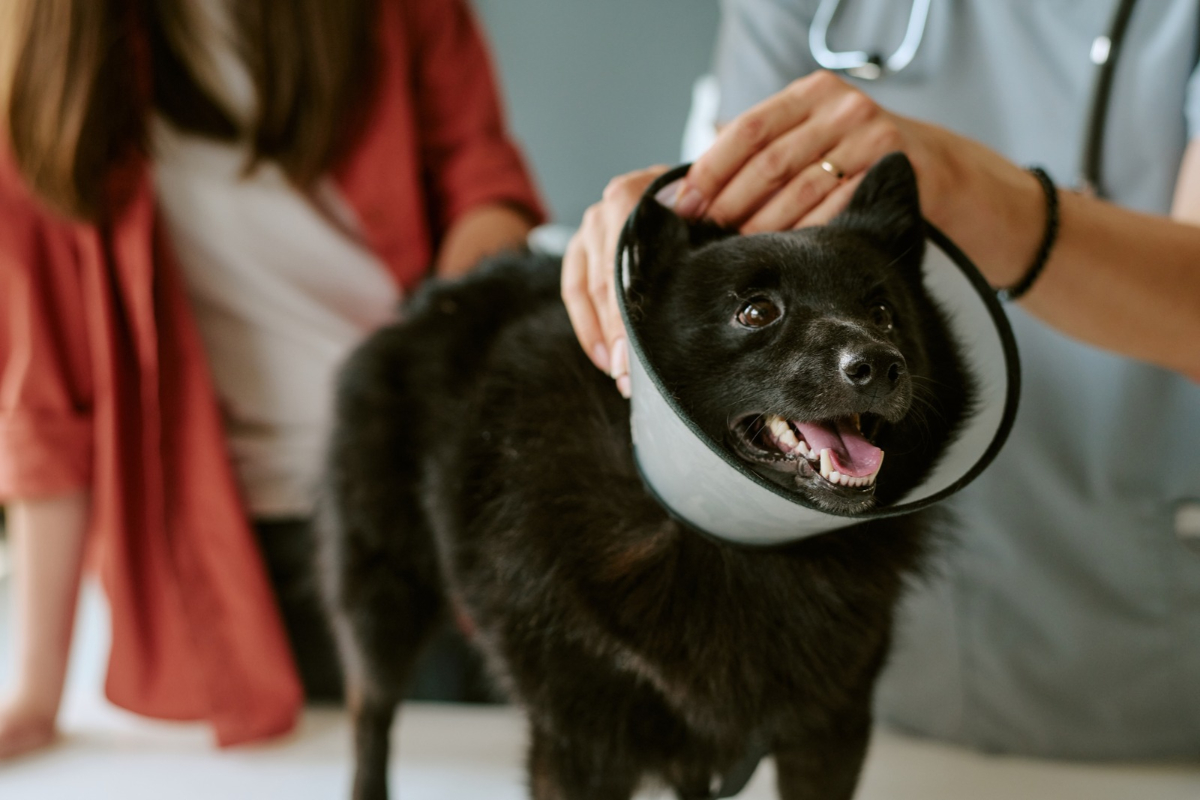
Watching your dog suddenly collapse, shake uncontrollably, or lose awareness can be one of the most frightening experiences for any pet owner. A seizure may last only a few seconds, but those moments can feel much longer when you are unsure what is happening. Although some seizures stop without intervention, others indicate serious medical conditions that require immediate veterinary attention.
Knowing how to respond can help protect your dog from injury and prevent unnecessary complications. This guide is especially for pet owners in Henrietta who want to understand what causes dog seizures, how to respond safely, and when veterinary treatment becomes necessary. With the right information and timely medical care, many dogs with seizure disorders can continue enjoying comfortable, active lives.
What Happens When a Dog Has a Seizure?
A seizure occurs when abnormal electrical activity disrupts normal brain function. It may affect movement, awareness, behavior, or muscle control.
Some dogs experience noticeable convulsions, while others display subtle symptoms that are easy to overlook.
Veterinarians generally recognize two main seizure types:
- Generalized seizures: Affect both sides of the brain and may cause collapse, muscle stiffness, uncontrollable movements, and loss of consciousness.
- Focal seizures: Affect a specific brain region and may cause facial twitching, repetitive chewing movements, or unusual behavior.
Not every seizure looks the same. Recognizing these differences helps pet owners provide useful information during veterinary examinations.
Common Warning Signs of Dog Seizures
Some dogs exhibit behavioral changes before a seizure begins. Others experience sudden episodes without noticeable warning.
Possible symptoms include:
- Sudden collapse or loss of balance
- Uncontrolled shaking or muscle twitching
- Stiffening of the legs or body
- Repeated paddling movements
- Excessive drooling or foaming
- Loss of bladder or bowel control
- Unresponsiveness or unusual staring
- Repetitive jaw movements or facial twitching
Before an episode, your dog may become restless, clingy, anxious, or unusually withdrawn.
These signs do not always indicate epilepsy. Several medical conditions can produce similar symptoms, making veterinary evaluation important.
What Should You Do During a Dog Seizure?
If your dog begins having a seizure, your immediate priority should be preventing injuries while monitoring the episode.
Follow these steps to keep your pet safe.
Stay Calm and Monitor the Time
Remain calm and check when the seizure begins. Most individual seizures stop within a few minutes. However, prolonged seizure activity can become life-threatening.
Use your phone to track the duration. If the seizure continues toward five minutes, seek emergency veterinary assistance immediately. Do not wait for it to stop before arranging help.
Remove Nearby Objects That Could Cause Injuries
Move furniture, sharp objects, and other hazards away from your dog. If possible, create a clear space around their body.
Keep children and other animals away during the episode. Avoid moving your dog unless necessary to prevent an immediate danger, such as falling down stairs.
Never Put Anything Inside Your Dog’s Mouth
A common misconception is that dogs can swallow their tongues during seizures. This does not happen.
Never place your fingers, medication, food, or other objects inside your dog’s mouth. Your pet may bite unintentionally because muscle movements are uncontrolled.
Avoid Restraining Your Dog’s Movements
Do not hold your dog down or attempt to stop the shaking. Restraining an animal during a seizure can cause additional injuries.
Instead, maintain a safe distance while watching their movements. If possible, record a short video for your veterinarian. This can help distinguish seizures from other conditions that cause collapse or abnormal movements.
Provide a Quiet Space Afterward
Once the seizure stops, your dog may appear confused, exhausted, restless, or temporarily unsteady. This recovery period is called the postictal phase.
Keep the environment quiet and allow your dog to recover without unnecessary stimulation. Avoid forcing food or water until your pet is fully alert and able to swallow normally.
When Is a Dog Seizure an Emergency?
Although some seizures resolve quickly, certain situations require immediate veterinary treatment.
Seek emergency assistance if:
- A seizure lasts five minutes or longer.
- Your dog experiences two or more seizures within 24 hours.
- Another seizure begins before your dog recovers.
- Your pet has difficulty breathing or remains unresponsive.
- You suspect poisoning, head trauma, or another serious injury.
A prolonged seizure can develop into status epilepticus, a medical emergency that may cause dangerous increases in body temperature and other complications.
Even if your dog recovers after a first seizure, contact a veterinarian promptly for an examination.
What Causes Seizures in Dogs?
Seizures can develop for several reasons. Identifying the underlying cause helps determine appropriate treatment.
Epilepsy and Neurological Disorders
Idiopathic epilepsy is a common cause of recurring seizures in dogs. It often begins between six months and six years of age, although seizures can occur at any age. Brain inflammation, infections, injuries, or structural abnormalities may also trigger episodes.
Toxic Substances and Accidental Poisoning
Certain household substances can interfere with normal neurological function.
Potential hazards include:
- Chocolate containing high concentrations of theobromine
- Products containing xylitol
- Certain human medications
- Some pesticides and chemicals
- Antifreeze and other toxic household products
Suspected poisoning requires immediate veterinary attention, even if symptoms initially appear mild.
Underlying Health Problems
Low blood sugar, liver disease, kidney problems, and certain electrolyte imbalances can contribute to seizure activity. These conditions may produce additional symptoms, including weakness, vomiting, appetite changes, or unusual behavior. Veterinary testing helps identify whether an underlying illness is responsible.
How Veterinarians Diagnose and Treat Dog Seizures
Treatment begins with understanding your dog’s medical history, symptoms, and seizure frequency. Our vets may recommend diagnostic testing based on your pet’s condition.
Common evaluations include:
- Physical examination: Checking overall health and neurological responses.
- Blood testing: Identifying metabolic problems and organ dysfunction.
- Urinalysis: Evaluating certain underlying health concerns.
- Advanced imaging: Investigating suspected structural brain abnormalities when indicated.
Treatment depends on the diagnosis. Some dogs need long-term anticonvulsant medication, while others require treatment for an underlying illness. Emergency medications may be necessary for prolonged or repeated seizures.
Although pet surgery may be considered for selected structural conditions, most seizure disorders are managed medically. Our veterinary hospital evaluates each patient’s needs before discussing further treatment or referral options.
Can Surgery Help Dogs With Seizures?
Surgery is not a standard treatment for epilepsy. However, certain brain abnormalities, including selected tumors, may require a specialist’s evaluation to determine whether surgery is appropriate.
Most dogs experiencing seizures do not need an operation. Our veterinary hospital offers general and advanced pet surgery services, with attention to patient comfort, anesthesia safety, and pain management.
If an underlying neurological condition requires advanced intervention, our vets can discuss the appropriate next steps, including referral when necessary.
Helping Your Dog After a Seizure
Recovery does not always happen immediately after the shaking stops. Some dogs return to normal behavior within minutes. Others remain confused or tired for several hours.
You can support recovery by:
- Providing a comfortable resting area
- Keeping your dog away from stairs
- Reducing noise and bright stimulation
- Monitoring breathing and responsiveness
- Recording seizure duration and symptoms
- Following veterinary medication instructions
Maintain a seizure diary documenting the date, duration, appearance, and possible circumstances surrounding each episode.
Never discontinue prescribed seizure medication without veterinary guidance. Regular examinations and consistent treatment can help many dogs maintain a satisfactory quality of life.
Help Your Dog Feel Safe and Healthy Again
A seizure can interrupt your dog’s normal routine and leave you worried about what might happen next. However, understanding the warning signs and seeking timely medical attention can make these episodes easier to manage.
At Ark Veterinary Hospital & Urgent Care, we help families in Henrietta address concerning health changes through veterinary examinations, diagnostic services, and urgent care.
If your dog has experienced a seizure, contact our veterinary hospital at 585-487-8700 to discuss the appropriate next steps. Our vets can help evaluate your pet’s condition and recommend further care. If your dog is actively experiencing a prolonged seizure, seek emergency treatment immediately.
Frequently Asked Questions
Q1. Can a dog recover completely after a seizure?
Ans. Yes. Many dogs recover fully after an isolated seizure. However, recovery depends on its cause, duration, and underlying health conditions. A veterinary examination helps determine whether ongoing monitoring or treatment is necessary.
Q2. What should I do if my dog has multiple seizures?
Ans. Multiple seizures within 24 hours require emergency veterinary attention. These episodes may indicate cluster seizures and can become dangerous without treatment. Contact an emergency veterinary facility immediately rather than waiting for another episode.
Q3. Can stress trigger seizures in dogs?
Ans. Stress, excitement, or disrupted sleep may contribute to seizures in susceptible dogs. However, these factors do not necessarily explain the underlying condition. Veterinary testing is important when episodes occur.
Q4. Where can I take my dog after a seizure in Henrietta?
Ans. Ark Veterinary Hospital & Urgent Care offers veterinary examinations, diagnostic services, and urgent care in Henrietta. Contact our team after your dog’s seizure for guidance. Prolonged or repeated seizures require immediate emergency treatment.
Q5. Does Ark Veterinary Hospital & Urgent Care diagnose seizures?
Ans. Our vets at Ark Veterinary Hospital & Urgent Care can evaluate concerning symptoms through physical examinations and available diagnostic testing. Depending on the findings, additional neurological testing or referral may be recommended to investigate the underlying cause.
Q6. Can Ark Veterinary Hospital & Urgent Care help manage recurring seizures?
Ans. Yes. At Ark Veterinary Hospital & Urgent Care in Henrietta, our vets can evaluate recurring episodes, discuss appropriate treatment options, and provide follow-up guidance. Some dogs may also require advanced neurological evaluation or specialist care.