Has your veterinarian ever mentioned that your dog or cat might need surgery? Hearing those words can make any pet owner nervous. You may wonder why the procedure is necessary, whether your pet will be in pain, and how long recovery might take. While some surgeries address emergencies, many are planned procedures that help prevent future health problems or improve a pet’s comfort.
Understanding why pets need surgery can help you recognize concerning symptoms and make informed decisions about their care. At Ark Veterinary Hospital & Urgent Care in Henrietta, our vets understand the concerns that come with surgical recommendations. In this guide, we’ll discuss common reasons dogs and cats need surgery, warning signs to watch for, and how veterinary care can help your pet recover safely.
Why Might a Veterinarian Recommend Surgery for Your Pet?
Veterinarians recommend surgery when a medical condition cannot be adequately managed through medication, monitoring, or other treatments. Some procedures prevent health problems, while others remove diseased tissue, repair injuries, or address potentially life-threatening conditions. Before recommending an operation, your veterinarian considers your pet’s age, overall health, symptoms, diagnostic findings, and available treatment options.
7 Common Reasons Dogs and Cats Need Surgery
Spaying and Neutering
Spaying and neutering are among the most frequently performed surgical procedures in dogs and cats. Spaying removes the ovaries, usually along with the uterus, while neutering removes the testicles.
These procedures help prevent unwanted pregnancies and reduce certain reproductive health risks. Spaying prevents pyometra, a serious uterine infection, and can reduce mammary tumor risk, particularly when performed early.
Neutering eliminates the risk of testicular cancer and may reduce certain hormone-related behaviors. Your veterinarian can recommend an appropriate surgical age based on your pet’s breed, size, and health.
Dental Disease and Tooth Extractions
Dental disease can cause considerable discomfort, even when pets continue eating normally. Advanced periodontal disease may damage the tissues supporting a tooth, making extraction necessary.
Other reasons for dental surgery include:
- Broken teeth with exposed pulp
- Severe tooth infections or abscesses
- Painful tooth resorption in cats
- Retained baby teeth affecting adult tooth development
Veterinarians examine the mouth and may recommend dental X-rays to assess damage beneath the gums. Removing a severely damaged tooth can relieve pain and prevent ongoing infection.
Removal of Tumors, Lumps, and Growths
Discovering a lump on your pet can be concerning, but not every growth is cancerous. Some masses are harmless, while others require further testing or surgical removal.
A veterinarian may recommend surgery when a growth:
- Increases rapidly in size
- Causes bleeding, irritation, or discomfort
- Interferes with normal movement
- Appears suspicious during examination or testing
Fine-needle aspiration, biopsy, or imaging may help determine the appropriate treatment.
For pets requiring veterinary surgery, early evaluation can sometimes make removal less complicated and improve treatment options.
Foreign Object Removal
Dogs and cats sometimes swallow objects that cannot pass safely through their digestive systems. Common examples include toys, socks, string, bones, and pieces of plastic.
These objects can cause intestinal blockages, leading to vomiting, abdominal pain, dehydration, and serious tissue damage. Warning signs include repeated vomiting, refusing food, lethargy, and a painful or swollen abdomen.
A suspected intestinal blockage requires immediate veterinary attention. Some objects can be removed through endoscopy, while others require abdominal surgery. Never pull string protruding from your pet’s mouth or rectum, as doing so can cause internal injuries.
Injuries, Fractures, and Torn Ligaments
Accidents, falls, and sudden movements can cause injuries that require surgical treatment. Fractured bones sometimes need plates, screws, or other stabilization methods to heal properly.
Dogs may also develop cranial cruciate ligament injuries, which affect knee stability and mobility. Depending on the injury, surgery may help restore joint function, reduce pain, and prevent further damage.
Not every fracture or ligament injury requires an operation. Your veterinarian will evaluate the injury and discuss treatment options or referral when appropriate.
Bladder Stones and Urinary Problems
Bladder stones can cause painful urination, blood in the urine, and frequent attempts to urinate. Some stones can be dissolved with prescription diets, while others require removal.
Surgery may be recommended when stones cannot dissolve, cause recurring problems, or create an obstruction. A pet that repeatedly strains without producing urine needs emergency care, especially a male cat. Urinary obstruction can quickly become life-threatening and should never be monitored at home.
Emergency Abdominal and Reproductive Conditions
Certain medical emergencies require immediate surgical intervention. One example is gastric dilatation-volvulus (GDV), commonly called bloat, in which a dog’s stomach expands and twists.
Another is pyometra, a potentially life-threatening uterine infection in unspayed female pets. Severe internal bleeding or certain abdominal injuries may also require emergency operations. Signs such as collapse, severe abdominal swelling, pale gums, or difficulty breathing require immediate emergency veterinary care.
How Do Veterinarians Determine Whether Surgery Is Necessary?
Not every illness or injury requires an operation. Our vets begin by reviewing your pet’s symptoms, medical history, and physical examination findings.
Depending on the condition, diagnostic testing may include blood work, X-rays, ultrasound, or other assessments. These findings help determine whether surgery is appropriate and whether your pet needs additional medical support beforehand.
For pet owners considering veterinary surgery, understanding the diagnosis, expected benefits, potential risks, and alternatives is an important part of making treatment decisions.
What Should Pet Owners Expect Before and After Surgery?
Before surgery, your veterinarian will provide instructions about food, water, medications, and arrival time. Preanesthetic testing may be recommended to assess organ function and identify health concerns that could affect anesthesia.
During a procedure, veterinary teams monitor vital signs and provide pain management according to the patient’s needs.
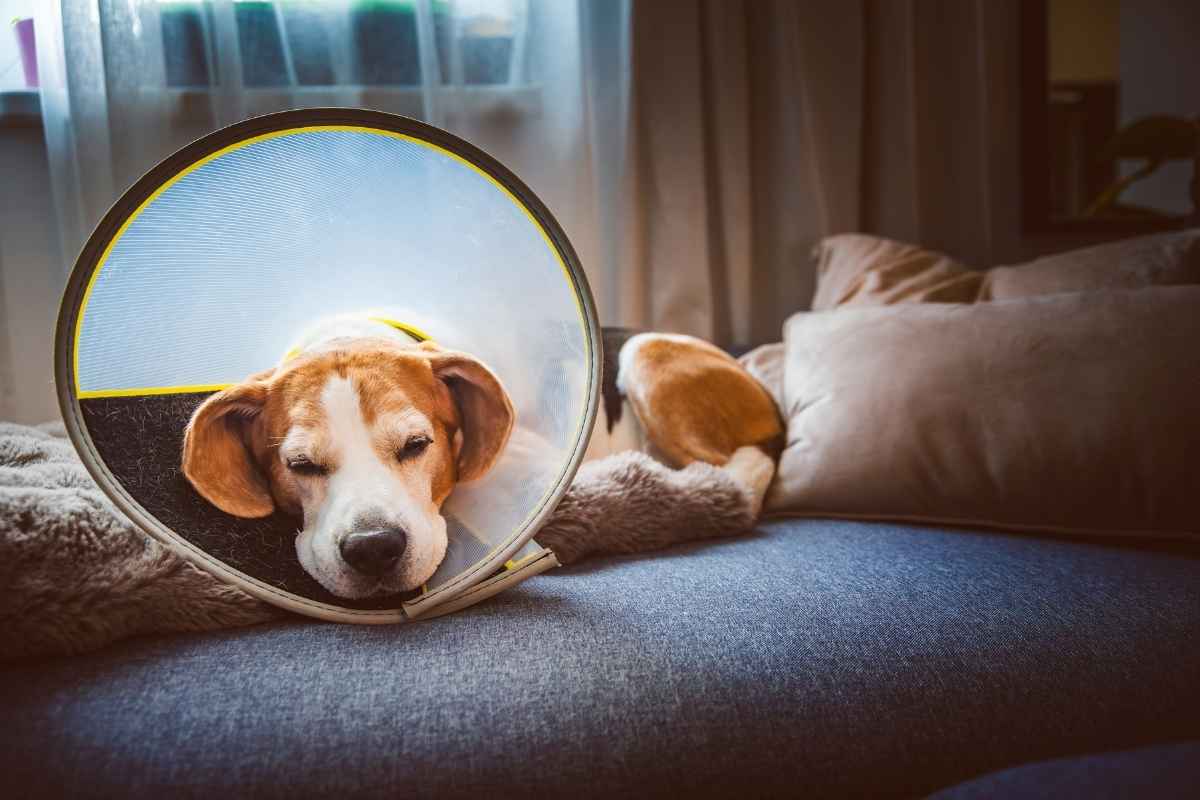
Recovery varies depending on the procedure and your pet’s health. After surgery, your pet may need restricted activity, prescribed medications, an Elizabethan collar, and follow-up examinations.
Contact your veterinarian if you notice persistent vomiting, worsening swelling, bleeding, wound discharge, or unusual weakness. Severe breathing difficulties, collapse, or uncontrolled bleeding require emergency attention.
Help Your Pet Get the Care They Need
Surgery can be an important part of treating painful conditions, preventing complications, and helping dogs and cats return to their normal activities. Recognizing warning signs and seeking veterinary attention early can make a meaningful difference in your pet’s treatment options.
At Ark Veterinary Hospital & Urgent Care, our vets are committed to helping pet owners in Henrietta and surrounding communities make informed decisions about their animals’ health. Whether your pet has an unusual lump, persistent discomfort, or symptoms that may require surgical evaluation, our veterinary practice is here to help you understand the next steps.
Concerned that your dog or cat may need surgery? Contact us today to schedule a veterinary consultation. Our team can evaluate your pet’s condition, discuss treatment options, and help you make decisions with confidence.
Frequently Asked Questions
Q1. Is surgery safe for older dogs and cats?
Ans. Many senior pets can undergo surgery safely. However, age-related conditions may increase anesthetic risks. Your veterinarian will evaluate your pet’s health, recommend appropriate testing, and discuss individual risks before proceeding.
2. How long does it take a pet to recover from surgery?
Ans. Recovery depends on the procedure, your pet’s health, and the surgical site. Some pets improve within days, while others require several weeks of restricted activity. Always follow your veterinarian’s recovery instructions.
Q3. Can my pet eat normally after surgery?
Ans. Most pets can resume eating according to their veterinarian’s instructions. Smaller meals may be recommended initially. Some procedures, particularly oral or gastrointestinal surgeries, require temporary dietary changes.
Q4. Where can I get my dog’s surgical needs evaluated in Henrietta?
Ans. At Ark Veterinary Hospital & Urgent Care, our vets can examine your dog, discuss concerning symptoms, and determine whether surgery or another treatment is appropriate. We help pet owners understand recommended next steps and available care options.
Q5. Can Ark Veterinary Hospital & Urgent Care help determine whether my cat needs surgery?
Ans. Yes. Our veterinary practice in Henrietta evaluates your cat’s symptoms, medical history, and examination findings. When indicated, diagnostic testing helps our vets determine whether surgical treatment is necessary or whether another approach may be appropriate.
Q6. How can I prepare my pet for a surgical consultation in Henrietta?
Ans. Bring your pet’s medical records, current medication information, and a description of recent symptoms. At Ark Veterinary Hospital & Urgent Care, our vets can review your concerns, explain recommended evaluations, and provide preparation instructions when surgery is planned.