
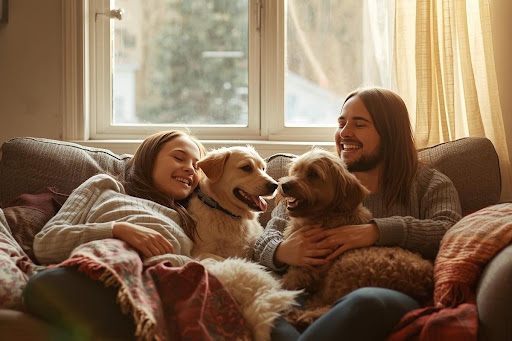
Some dogs seem to understand their people without needing a single word. They follow their favorite person from room to room, settle beside them after a long day, and notice subtle changes in mood and routine. While every dog has an individual personality, certain breeds are particularly known for forming close relationships with their families.
A strong human-dog bond develops through trust, consistency, positive interactions, and shared experiences. Breed characteristics can influence a dog’s social tendencies, but they never guarantee a specific personality. Genetics, early socialization, training, environment, and individual temperament all play important roles.
For potential dog owners, choosing a breed with a naturally people-oriented temperament can be a great starting point. However, responsible ownership also means understanding exercise requirements, grooming needs, nutrition, training, and preventive vet care before bringing a dog home.
Whether you want a devoted companion, an active adventure partner, or a gentle family dog, the best match depends on your lifestyle and your ability to meet the dog’s physical and emotional needs. Here are seven breeds known for developing particularly strong bonds with their pet parents.
1. Golden Retriever
Golden Retrievers are famous for their friendly and affectionate personalities.
They often enjoy being involved in family activities and tend to thrive when they can spend plenty of time with their people. Their intelligence and willingness to cooperate can also make training an enjoyable bonding experience.
Why Golden Retrievers Form Strong Bonds
Golden Retrievers were developed as working and retrieving dogs, so many enjoy having a purpose and interacting with their handlers.
Their affectionate nature can show through:
- Following family members around the home
- Bringing toys to their favorite people
- Enjoying interactive games
- Seeking physical affection
- Responding enthusiastically to training
- Staying close during family activities
However, their social nature means they may not thrive when left alone for extended periods every day.
Golden Retrievers also require regular exercise and mental stimulation. Walks, retrieving games, swimming, training sessions, and puzzle toys can help keep them engaged.
2. Labrador Retriever
Labrador Retrievers are another breed known for their outgoing and people-focused personalities.
Labs often enjoy almost any activity that allows them to interact with their families. They can be playful, affectionate, energetic, and highly food motivated.
Building a Bond With a Labrador
Training can become one of the best ways to strengthen your relationship with a Labrador.
Use positive reinforcement to teach basic commands and good manners. Short, rewarding training sessions can provide mental stimulation while helping your dog understand what you expect.
Labradors often enjoy:
- Fetch
- Hiking
- Swimming
- Walking
- Obedience training
- Food puzzles
- Interactive play
Because Labradors can be enthusiastic and energetic, consistent boundaries are important.
Without enough exercise or mental enrichment, some Labs may become bored and develop unwanted behaviors such as chewing, excessive jumping, or destructive activity.
3. Cavalier King Charles Spaniel
If you prefer a smaller companion, the Cavalier King Charles Spaniel may be an appealing choice.
These dogs are often affectionate and enjoy spending time with their families. Many are happiest when they can stay close to their people.
Their adaptable personalities can make them suitable for a variety of households, provided owners meet their exercise, grooming, social, and health needs.
Why Cavaliers Are Often So Affectionate
Cavaliers frequently enjoy:
- Sitting beside their owners
- Gentle cuddling
- Short walks
- Interactive play
- Learning simple tricks
- Relaxing with family members
However, their affectionate nature does not mean they should receive constant attention.
Teach your dog to feel comfortable spending short periods independently. This can help prevent excessive dependence and support emotional confidence.
4. German Shepherd
German Shepherds can form exceptionally loyal relationships with their families.
They are intelligent, observant, and often highly responsive to their handlers. Their working background means many enjoy having a job or structured activity.
Creating a Healthy Relationship With a German Shepherd
A German Shepherd usually benefits from consistent training and clear communication.
Activities such as obedience training, scent work, agility, tracking games, and structured walks can provide both physical and mental stimulation.
The strongest bond develops when training remains positive and predictable.
German Shepherds also require appropriate socialization. Introduce them to different people, environments, sounds, and experiences in a controlled manner.
A well-socialized German Shepherd can become a confident and deeply connected family companion.
5. Poodle
Poodles are sometimes recognized primarily for their distinctive coats, but their intelligence and social nature deserve equal attention.
Standard, Miniature, and Toy Poodles can all form close relationships with their owners.
Why Poodles Make Engaging Companions
Poodles tend to enjoy learning.
You can strengthen your relationship through:
- Trick training
- Obedience exercises
- Puzzle toys
- Scent games
- Interactive play
- New experiences
Their intelligence can be both an advantage and a challenge.
A bored Poodle may find their own ways to stay entertained. Therefore, owners should provide regular mental stimulation in addition to physical exercise.
Grooming also creates an opportunity for positive interaction. Introduce brushing, nail care, ear checks, and other handling gradually so your dog learns to associate grooming with calm experiences.
6. Border Collie
Border Collies are highly intelligent working dogs that often develop strong connections with the people who train and interact with them.
They are especially well suited to active owners who enjoy teaching new skills and providing challenging activities.
Bonding Through Purpose and Training
For a Border Collie, simply providing a large yard may not be enough.
These dogs often need meaningful mental stimulation.
Consider activities such as:
- Advanced obedience
- Agility
- Herding activities
- Scent work
- Trick training
- Interactive games
- Structured hiking
Border Collies can become intensely focused on their owners and activities.
However, their intelligence also means they may become frustrated if their physical and mental needs remain unmet.
Therefore, this breed generally suits owners who have the time and interest to provide consistent engagement.
7. Dachshund
Dachshunds may be small, but they often have big personalities.
Many develop strong attachments to their families and enjoy spending significant amounts of time with their favorite people.
They can be playful, curious, affectionate, and confident.
Understanding the Dachshund Personality
Dachshunds were bred to hunt, which contributes to their curiosity and determination.
Their bond with their owners often grows through:
- Short walks
- Scent games
- Interactive toys
- Positive training
- Gentle affection
- Shared relaxation
Because of their long backs and shorter legs, owners should also take steps to support safe movement.
Avoid encouraging repeated jumping from high furniture, and discuss appropriate exercise with your veterinarian.
What Makes a Dog Form a Strong Bond With Its Owner?
Breed characteristics can influence social behavior, but the human-dog relationship depends on much more than breed.
Several factors contribute to a strong bond.
Consistency
Dogs learn through repetition.
Keep rules consistent and reward behaviors you want to encourage.
Positive Training
Training provides communication and builds trust.
Use rewards, praise, toys, and other positive reinforcement methods.
Quality Time
Spend time together doing activities your dog enjoys.
A walk, training session, game, or quiet period beside you can strengthen your relationship.
Respect
Do not force your dog into interactions they find uncomfortable.
Learn to recognize body language and give your dog appropriate space.
Routine
Predictable routines can help dogs understand what to expect.
Regular meal times, walks, play, and rest can create a sense of security.
How to Strengthen Your Bond With Any Dog
You do not need a particular breed to develop a meaningful relationship.
Try these simple habits:
- Take daily walks together.
- Practice short training sessions.
- Play interactive games.
- Reward calm behavior.
- Provide mental enrichment.
- Groom your dog gently.
- Spend quiet time together.
- Learn your dog’s body language.
- Maintain a predictable routine.
- Keep up with preventive healthcare.
Over time, these small actions can create a strong foundation of trust.
Don’t Choose a Breed Based Only on Affection
A loving personality can be appealing, but it should not be your only consideration.
Before choosing a breed, think about:
- Exercise requirements
- Grooming needs
- Typical adult size
- Training requirements
- Energy level
- Potential health concerns
- Time commitment
- Living environment
- Financial responsibilities
For example, a Border Collie may form an incredible bond with an active owner but may become frustrated in a home that cannot provide enough mental stimulation.
Similarly, a Cavalier may be affectionate and adaptable, but prospective owners should still research the breed’s health and care requirements.
The right dog is not necessarily the breed that appears most affectionate. It is the dog whose needs you can realistically meet for their entire life.
Health Care Is Part of a Strong Bond
A close relationship also means taking responsibility for your dog’s health.
Regular wellness examinations can help monitor weight, dental health, vaccinations, parasite prevention, nutrition, and age-related changes.
Dogs cannot explain when something hurts, so owners need to pay attention to subtle changes in behavior.
Watch for changes in:
- Appetite
- Water consumption
- Energy
- Mobility
- Sleep
- Bathroom habits
- Weight
- Grooming
- Social behavior
After more than 60% of this guide, it is important to emphasize that preventive healthcare remains part of responsible companionship. Ark Veterinary Hospital & Urgent Care can help support your dog’s ongoing wellness with care tailored to their individual needs.
If your dog develops a sudden or concerning change, contact your veterinary team rather than assuming the behavior will resolve on its own.
Signs Your Dog Trusts You
Dogs communicate trust through behavior.
Some signs may include:
- Choosing to rest near you
- Relaxing in your presence
- Seeking you out for interaction
- Responding to your voice
- Bringing toys to you
- Making comfortable eye contact
- Sleeping peacefully nearby
- Checking in with you during walks
- Following familiar routines
- Seeking reassurance when uncertain
Remember that every dog expresses affection differently.
One dog may constantly seek physical contact, while another may show affection by simply choosing to stay in the same room.
Certain dog breeds are naturally known for forming close relationships with their families, including Golden Retrievers, Labrador Retrievers, Cavalier King Charles Spaniels, German Shepherds, Poodles, Border Collies, and Dachshunds.
Nevertheless, breed alone does not determine how affectionate or loyal a dog will be.
The strongest human-dog relationships develop through trust, consistency, positive training, shared experiences, respect, and responsible care.
Before choosing a dog, research the breed’s complete needs rather than focusing only on its reputation for affection. Consider whether its exercise requirements, temperament, grooming needs, training demands, and potential health concerns fit your lifestyle.
Most importantly, remember that becoming your dog’s trusted person takes time. Show up consistently, communicate clearly, respect their boundaries, and make their well-being a priority.
With the right approach, almost any compatible dog can become a deeply valued member of your family.
If you have questions about your dog’s wellness or want guidance on maintaining their long-term health, contact Ark Veterinary Hospital & Urgent Care for personalized veterinary guidance.
Frequently Asked Questions
Q1. Which dog breeds are known for forming strong bonds with their owners?
Ans: Golden Retrievers, Labrador Retrievers, Cavalier King Charles Spaniels, German Shepherds, Poodles, Border Collies, and Dachshunds are commonly known for forming close relationships with their families. However, individual temperament varies within every breed.
Q2. What is the most affectionate dog breed?
Ans: There is no single breed that is the most affectionate for every household. Golden Retrievers, Labrador Retrievers, Cavaliers, and several other breeds are often known for their affectionate personalities, but individual dogs can differ significantly.
Q3. How can I strengthen my bond with my dog?
Ans: Spend quality time together, use positive reinforcement training, provide regular exercise and mental enrichment, maintain predictable routines, learn your dog’s body language, and respect their individual boundaries.
Q4. Does breed determine a dog’s personality?
Ans: Breed can influence certain behavioral tendencies, but it does not completely determine personality. Genetics, early experiences, socialization, training, environment, and individual temperament all affect how a dog behaves.
Q5. How do I know if my dog trusts me?
Ans: A trusting dog may relax around you, choose to stay nearby, respond to your voice, seek you out for interaction, sleep peacefully in your presence, or look to you for reassurance in unfamiliar situations.
Q6. Does veterinary care help strengthen the bond with my dog?
Ans: Responsible healthcare supports your dog’s comfort and quality of life, which can contribute to a healthier relationship. Regular wellness examinations also help you identify health changes and address potential problems appropriately.