

Dogs can develop itchy, irritated skin for many reasons, including environmental allergens, food sensitivities, fleas, and contact irritants. Persistent scratching, licking, redness, or recurring skin infections can make everyday life uncomfortable. Therefore, understanding the cause and following a consistent skin care routine can help protect your dog’s skin barrier and improve comfort.
Allergic skin problems often require more than occasional bathing. A good routine combines gentle grooming, parasite prevention, proper nutrition, and veterinary guidance. However, every dog responds differently, so owners should avoid assuming that one treatment will work for every allergy.
Before choosing shampoos, supplements, or home remedies, watch for patterns in your dog’s symptoms. Note when itching begins, which areas are affected, and whether symptoms worsen after outdoor activities, grooming, or certain foods. This information can help your veterinarian determine the most appropriate approach.
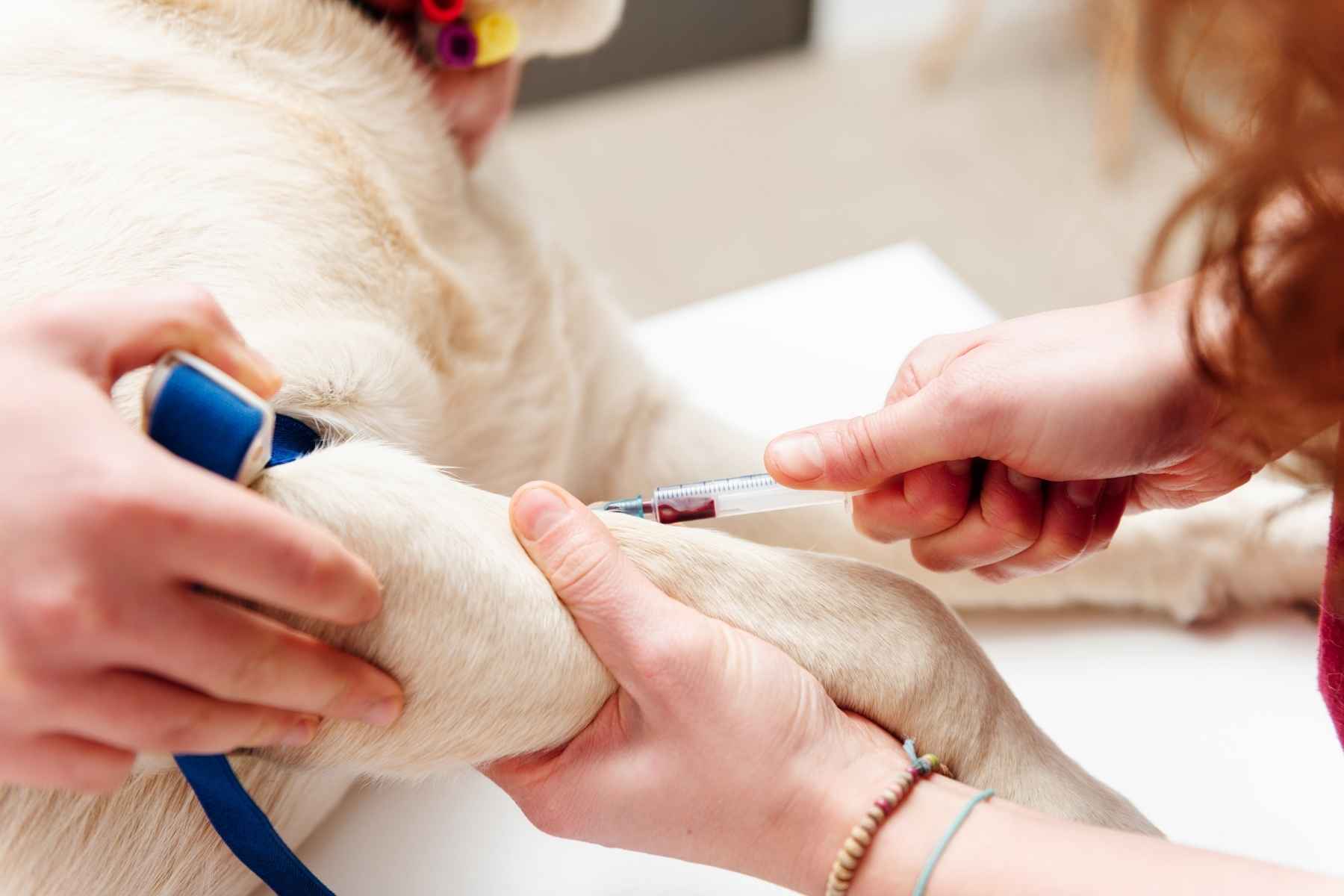
When allergies persist, a veterinary diagnostic evaluation can help identify possible triggers and rule out other causes of itching, such as parasites, bacterial infections, yeast overgrowth, or underlying skin conditions. Once the cause becomes clearer, your veterinarian can recommend a targeted care plan.
Identify Common Causes of Allergic Skin Problems
Environmental allergens are common contributors to canine skin irritation. Dogs may react to pollen, grasses, dust mites, mold, or other substances in their surroundings. Some dogs also develop reactions to ingredients in their diets.
Fleas deserve special attention because even a small number of bites can cause significant itching in sensitive dogs. Consistent flea prevention is therefore an important part of maintaining healthy skin.
Contact irritation can also occur after exposure to certain detergents, grooming products, plants, or household chemicals. If symptoms appear shortly after introducing a new product, discontinue it and discuss the reaction with your veterinarian.
Choose a Gentle Bathing Routine
Bathing can remove allergens from the coat and skin, but frequent bathing with harsh products may damage the skin barrier. Instead, use a shampoo recommended for your dog’s specific skin needs.
Look for gentle, dog-safe formulas designed for sensitive or allergy-prone skin. Avoid human shampoos because their formulations may not be appropriate for canine skin.
During bathing, use lukewarm water and thoroughly rinse away shampoo residue. Remaining product on the skin can contribute to irritation. Afterward, gently towel-dry your dog rather than rubbing the skin aggressively.
Your veterinarian may recommend medicated shampoos when allergies are accompanied by secondary bacterial or yeast infections. Follow the recommended contact time and bathing schedule for the best results.
Protect the Skin Between Baths
Daily habits can make a meaningful difference. After outdoor walks, wipe your dog’s paws and coat with a clean damp cloth to help remove pollen, dirt, and other potential irritants.
Regular brushing can also remove debris while allowing you to notice redness, bumps, scabs, hair loss, or other changes early. However, use a brush appropriate for your dog’s coat and avoid brushing aggressively over inflamed areas.
Wash bedding regularly using a fragrance-free detergent and rinse thoroughly. Keeping sleeping areas clean may reduce exposure to environmental irritants and help maintain a healthier skin environment.
Support Skin Health With Proper Nutrition
Nutrition plays an important role in maintaining healthy skin and a strong coat. Dogs need balanced diets that provide adequate protein, essential fatty acids, vitamins, and minerals.
Some dogs may benefit from diets formulated for specific food sensitivities. However, switching foods repeatedly without professional guidance can make it harder to determine whether diet is contributing to the problem.
If your veterinarian suspects a food allergy, they may recommend a structured elimination diet. Follow the plan carefully because treats, table scraps, flavored medications, and supplements can affect the results.
Know When Professional Skin Care Is Needed
Home care can support healthy skin, but persistent or worsening symptoms deserve professional attention. Excessive scratching, open sores, strong odor, recurring ear infections, hair loss, crusting, or moist skin lesions may indicate an underlying problem.
A veterinary diagnostic assessment may involve a detailed history, skin examination, and appropriate testing. Depending on the findings, your veterinarian may recommend skin cytology, parasite testing, allergy evaluation, dietary trials, or other diagnostic steps.
Early evaluation can prevent a minor irritation from developing into a more complicated skin infection.
Create a Consistent Allergy Management Plan
Allergy management usually works best as an ongoing routine rather than a one-time solution. Keep track of flare-ups, grooming products, food changes, medications, outdoor exposure, and other relevant factors.
This record can help identify patterns over time. Additionally, consistent parasite prevention, appropriate bathing, regular grooming, clean bedding, and a balanced diet can support the skin between veterinary visits.
At the same time, avoid applying essential oils, human medications, steroid creams, or other household products without professional advice. Some substances that appear harmless can irritate canine skin or become dangerous if swallowed.
For personalized guidance, Ark Veterinary Hospital & Urgent Care can help evaluate your dog’s skin concerns and develop an appropriate care plan based on the underlying cause.
Healthy skin requires consistent care, especially for dogs prone to allergies. Gentle bathing, regular grooming, parasite prevention, appropriate nutrition, clean bedding, and professional evaluation can all contribute to better skin health. Most importantly, treating the underlying cause rather than simply managing itching can provide more lasting relief.
Contact Ark Veterinary Hospital & Urgent Care to discuss your dog’s persistent itching, irritated skin, or allergy concerns.
Frequently Asked Questions
Q1. How often should I bathe a dog with allergies?
Ans: Bathing frequency depends on your dog’s skin condition, coat, allergies, and veterinary recommendations. Some dogs may benefit from more frequent therapeutic baths, while others need less frequent bathing.
Q2. Can I use human shampoo on my dog?
Ans: It is generally better to use products specifically formulated for dogs. Human shampoos may not be appropriate for canine skin and can worsen dryness or irritation.
Q3. Can food allergies cause itchy skin in dogs?
Ans: Yes. Food allergies can contribute to itching, skin inflammation, recurrent ear problems, and other symptoms. A veterinarian may recommend a controlled elimination diet to investigate a suspected food allergy.
Q4. Should I stop my dog from scratching?
Ans: Try to prevent excessive scratching because it can damage the skin and increase the risk of infection. Your veterinarian can recommend appropriate treatment to address the underlying cause of itching.
Q5. Are flea bites a common cause of allergic skin problems?
Ans: Yes. Flea allergy dermatitis can cause intense itching in sensitive dogs. Consistent, veterinarian-recommended flea prevention is an important part of allergy management.
Q6. When should I take my dog to a veterinarian for itchy skin?
Ans: Schedule a veterinary evaluation if itching persists, becomes severe, or occurs with hair loss, sores, odor, redness, swelling, crusting, or recurring infections. Prompt evaluation can help identify the underlying cause.