
Kidney disease is one of the most common health conditions affecting cats, especially as they age. Because symptoms often develop gradually, many pet owners may not notice the early warning signs. Understanding how to detect and manage kidney disease can significantly improve your cat’s quality of life and longevity.
This guide explains the causes, symptoms, diagnosis, and treatment options for kidney disease in cats, helping you make informed decisions about your pet’s health.
What Is Kidney Disease in Cats?
Kidney disease occurs when a cat’s kidneys lose their ability to effectively filter waste products from the blood. There are two main types:
- Acute Kidney Disease: Sudden onset, often caused by toxins, infections, or trauma
- Chronic Kidney Disease (CKD): Gradual loss of kidney function over time, more common in older cats
Chronic kidney disease is irreversible, but early detection can help slow its progression and improve your cat’s comfort.
Common Signs and Symptoms
Kidney disease can be difficult to detect in its early stages. However, as the condition progresses, you may notice:
- Increased thirst and urination
- Weight loss
- Decreased appetite
- Vomiting or nausea
- Lethargy
- Bad breath with a chemical odor
- Poor coat condition
If your cat shows any of these signs, it’s important to seek professional evaluation promptly.
How Kidney Disease Is Diagnosed
Accurate diagnosis is essential for effective treatment. Veterinarians typically use a combination of tests, including:
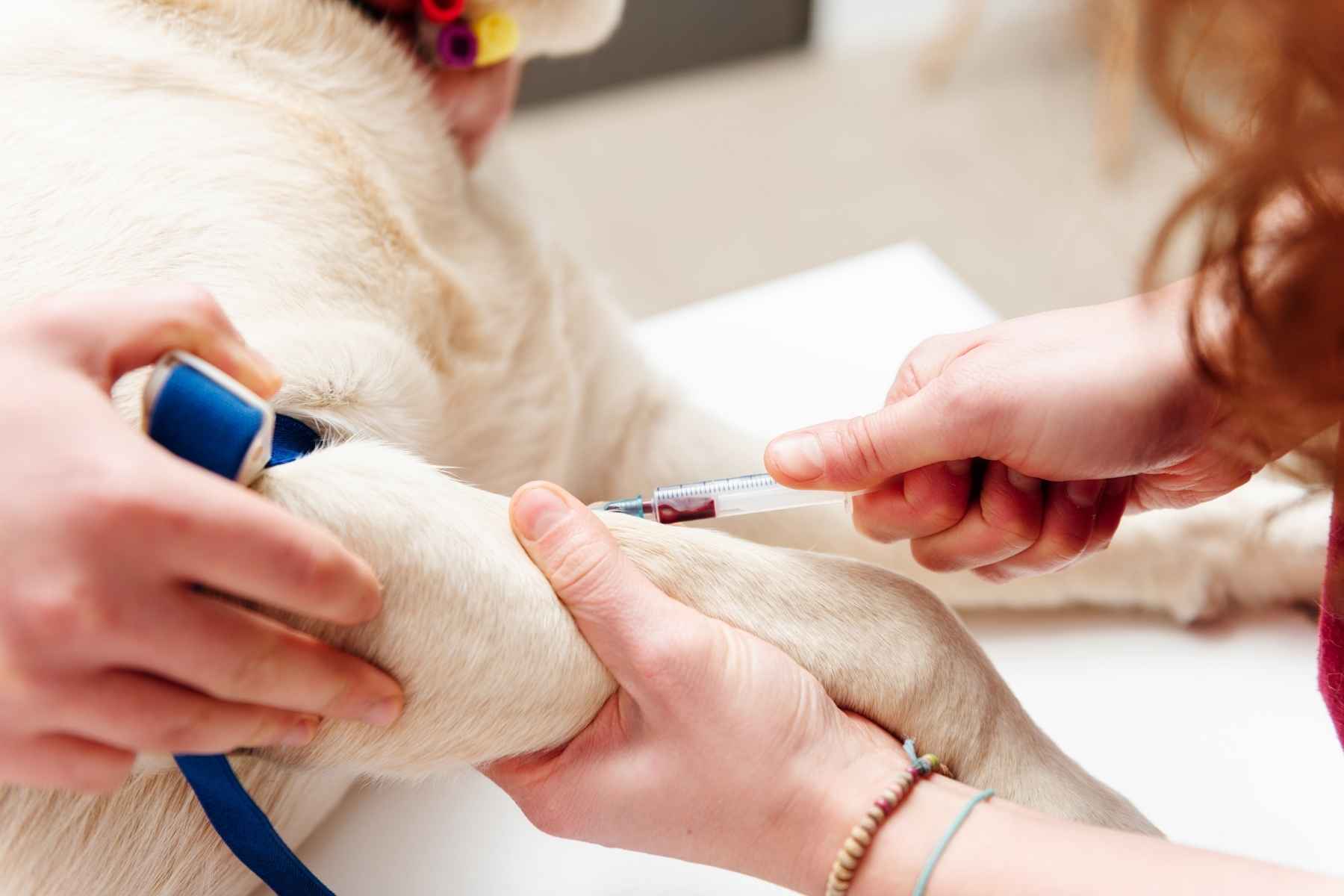
- Blood tests to check kidney function markers
- Urinalysis to assess urine concentration and detect abnormalities
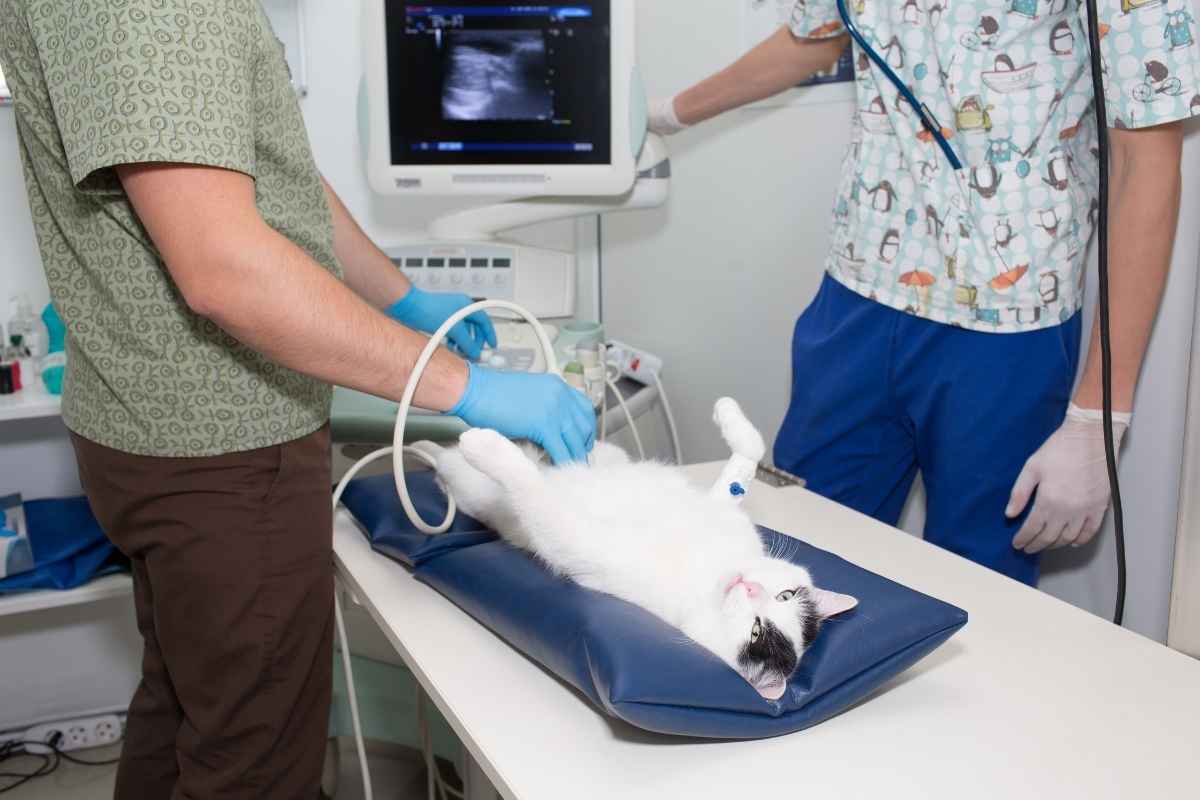
- Imaging such as ultrasound or X-rays
- Blood pressure measurement
Advanced pet diagnostic care plays a crucial role in identifying kidney disease early, even before symptoms become severe.
Treatment Options for Kidney Disease
While chronic kidney disease cannot be cured, it can often be managed successfully with proper care. Treatment plans are tailored to each cat’s condition and may include:
1. Dietary Management
Special prescription diets are designed to reduce the workload on the kidneys. These diets typically contain:
- Lower protein levels
- Reduced phosphorus
- Added nutrients to support kidney function
2. Hydration Support
Cats with kidney disease are prone to dehydration. Treatment may involve:
- Encouraging increased water intake
- Wet food diets
- Subcutaneous fluid therapy (administered under the skin)
3. Medications
Depending on the severity, your veterinarian may prescribe medications to:
- Control blood pressure
- Reduce nausea and vomiting
- Manage electrolyte imbalances
4. Monitoring and Follow-Up
Ongoing monitoring is essential to track disease progression and adjust treatment. Regular checkups and lab tests are a key part of long-term care.
At this stage, consistent pet diagnostic care helps ensure that treatment remains effective and responsive to your cat’s changing needs.
Preventing Kidney Disease in Cats
While not all cases can be prevented, there are steps you can take to reduce the risk:
- Provide fresh, clean water at all times
- Feed a balanced, high-quality diet
- Schedule routine veterinary checkups
- Avoid exposure to toxins (such as certain plants or medications)
- Monitor your cat’s behavior and eating habits
Early detection remains the most effective way to manage kidney disease successfully.
When to Seek Veterinary Care
If your cat shows persistent symptoms such as increased thirst, weight loss, or lethargy, it’s important to consult a veterinarian as soon as possible. Delaying care can lead to complications and reduced quality of life.
Frequently Asked Questions:
Q1. What causes kidney disease in cats?
Ans. Kidney disease can result from aging, infections, toxins, genetic factors, or underlying health conditions.
Q2. Can kidney disease in cats be cured?
Ans. Chronic kidney disease cannot be cured, but it can be managed effectively with proper treatment and monitoring.
Q3. How long can a cat live with kidney disease?
Ans. With early detection and proper care, many cats can live for several years with a good quality of life.
Q4. What should I feed a cat with kidney disease?
Ans. A veterinarian-recommended kidney diet with controlled protein and phosphorus levels is typically advised.
Q5. Is kidney disease painful for cats?
Ans. It can cause discomfort, especially in advanced stages, but treatment can help manage symptoms and improve comfort.
Q6. How often should my cat be tested for kidney disease?
Ans. Senior cats should have routine screenings at least once a year, or more frequently if recommended by a veterinarian.