

As a pet owner, you want your companion to enjoy a long, healthy, and active life. While proper nutrition, exercise, and preventive care all play an important role, one factor often has the greatest impact on a pet’s health outcome: early diagnosis. Identifying health concerns before they become severe can improve treatment success, reduce discomfort, and, in many cases, save your pet’s life.
Many illnesses in dogs and cats develop gradually. Because pets instinctively hide signs of pain or illness, subtle symptoms can go unnoticed until the condition has progressed. Regular veterinary exams, routine screenings, and paying close attention to changes in your pet’s behavior can help detect problems early, allowing treatment to begin when it is most effective.
Why Early Diagnosis Matters
Early diagnosis means identifying a disease or medical condition during its initial stages, often before obvious symptoms appear. When health concerns are found early, veterinarians typically have more treatment options available, and pets often recover more quickly with fewer complications.
Benefits of early diagnosis include:
- Improved treatment success rates
- Better long-term quality of life
- Reduced risk of complications
- Lower overall treatment costs
- Less pain and discomfort for your pet
- Greater peace of mind for pet owners
Preventive healthcare is always easier than managing advanced disease.
Pets Often Hide Signs of Illness
Unlike people, pets cannot tell us when something feels wrong. Many dogs and cats naturally hide discomfort because it is an instinctive survival behavior. By the time visible symptoms appear, a disease may already be well advanced.
Some early warning signs include:
- Reduced appetite
- Drinking more or less water than usual
- Weight gain or weight loss
- Vomiting or diarrhea
- Changes in energy levels
- Persistent coughing
- Difficulty walking or climbing stairs
- Increased sleeping
- Bad breath
- Changes in urination or bowel habits
- Unusual lumps or swelling
Even minor changes deserve attention if they persist for more than a day or two.
Common Conditions That Benefit From Early Detection
Many serious medical conditions respond much better when diagnosed early.
Dental Disease
Dental disease affects most adult pets and can lead to pain, infection, tooth loss, and even heart, liver, or kidney complications if left untreated. Routine dental exams can detect problems before they become severe.
Arthritis
Joint disease develops gradually and is often mistaken for “normal aging.” Early intervention through weight management, supplements, medications, and lifestyle adjustments can help pets remain comfortable and active.
Kidney Disease
Kidney disease frequently develops silently, especially in older cats. Routine bloodwork and urine testing can identify declining kidney function long before significant symptoms appear.
Diabetes
Early diagnosis allows veterinarians to stabilize blood sugar sooner, helping pets avoid serious complications and maintain a good quality of life.
Heart Disease
Heart conditions often begin without obvious signs. Detecting heart murmurs or rhythm abnormalities during routine wellness exams allows for earlier monitoring and treatment.
Cancer
Many cancers have significantly better outcomes when diagnosed early. Finding small masses during routine examinations often allows for earlier surgical removal before cancer spreads.
The Importance of Routine Wellness Exams
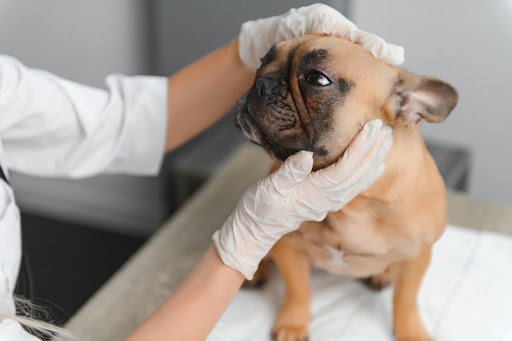
Wellness exams are one of the most valuable tools for early disease detection. Even if your pet appears healthy, routine examinations allow veterinarians to monitor subtle changes over time.
During a wellness visit, your veterinarian may evaluate:
- Weight and body condition
- Heart and lung function
- Skin and coat health
- Eyes and ears
- Oral health
- Joint mobility
- Lymph nodes
- Abdomen for abnormalities
- Overall physical condition
These evaluations establish a health baseline and make it easier to detect changes during future visits.
Diagnostic Testing Helps Detect Hidden Problems
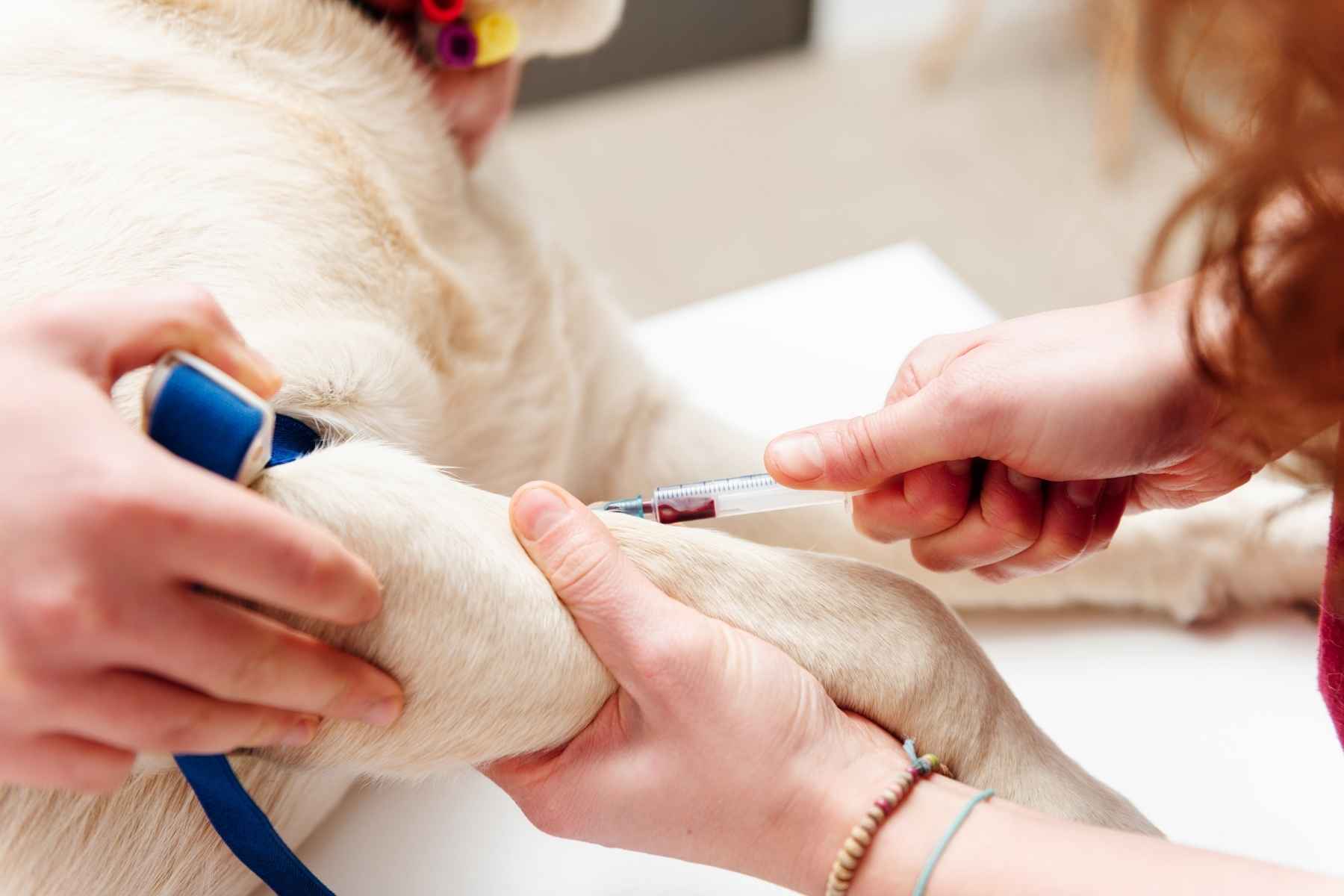
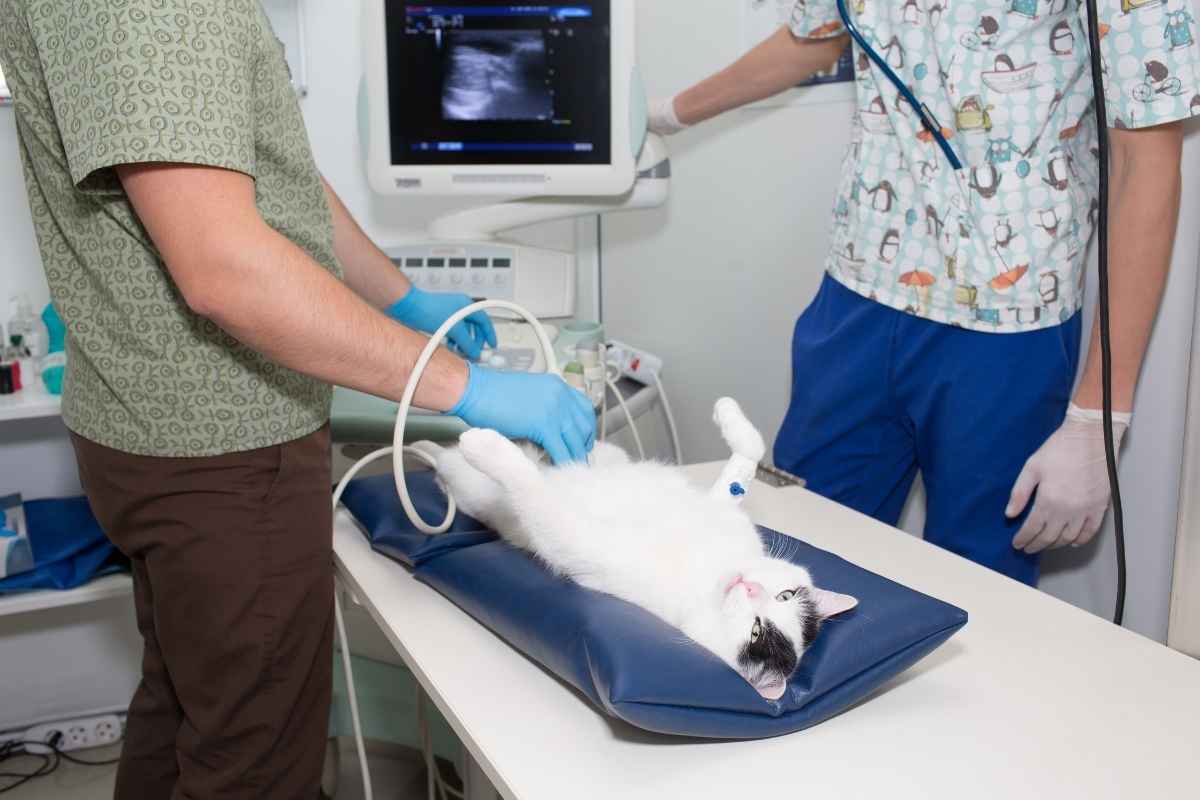
Many illnesses cannot be identified through a physical examination alone. Diagnostic testing provides valuable information about your pet’s internal health before symptoms become obvious.
Depending on your pet’s age, breed, and medical history, your veterinarian may recommend:
- Blood testing
- Urinalysis
- Fecal examinations
- Digital X-rays
- Ultrasound imaging
- Blood pressure monitoring
- Cytology
- Laboratory screening
Comprehensive pet diagnostic care services help veterinarians identify hidden health conditions early, allowing treatment plans to begin before diseases become more difficult to manage.
Senior Pets Need Closer Monitoring
As pets age, their risk for chronic illnesses increases. Annual checkups may no longer be enough for senior dogs and cats.
Older pets commonly experience:
- Arthritis
- Kidney disease
- Liver disease
- Heart disease
- Diabetes
- Cognitive dysfunction
- Cancer
- Thyroid disorders
Many veterinarians recommend wellness exams every six months for senior pets. More frequent monitoring allows age-related changes to be identified before they significantly affect quality of life.
Early Diagnosis Can Reduce Veterinary Costs
Many pet owners worry about veterinary expenses. However, diagnosing illnesses early often costs much less than treating advanced disease.
For example:
- Treating mild dental disease is less expensive than multiple tooth extractions.
- Managing early kidney disease may delay progression and reduce hospitalization.
- Removing a small tumor is often simpler and less costly than treating metastatic cancer.
- Addressing a minor ear infection early may prevent chronic complications requiring ongoing treatment.
Preventive healthcare is an investment that often saves money over your pet’s lifetime.
How Pet Owners Can Support Early Detection
Pet owners play an essential role in recognizing health changes.
Simple habits include:
- Observe your pet’s daily routine.
- Monitor appetite and water intake.
- Keep track of weight changes.
- Examine your pet’s skin during grooming.
- Brush your pet’s teeth regularly.
- Watch for changes in mobility.
- Attend routine wellness exams.
- Follow recommended vaccination and parasite prevention schedules.
- Don’t ignore small behavioral changes.
If something seems unusual, contacting your veterinarian promptly is always the safest choice.
Why Local Veterinary Care Matters
Having an established relationship with your veterinarian allows your pet’s medical history to be monitored consistently over time. Regular examinations help identify subtle health changes that might otherwise be overlooked.
Local veterinary teams also understand regional health risks, seasonal parasites, and environmental factors that may affect pets in the community. Access to timely pet diagnostic care services makes it easier to investigate concerning symptoms before they progress into more serious conditions.
Early diagnosis can make a remarkable difference in your pet’s health, comfort, and longevity. From routine wellness exams to advanced diagnostic testing, identifying health concerns before they become severe gives pets the best opportunity for successful treatment and a higher quality of life.
If you’re in Henrietta, NY and are looking for a vet near you who prioritizes preventive care and early disease detection, contact Ark Veterinary Hospital & Urgent Care. Our compassionate team is dedicated to helping your pet stay healthy through every stage of life with personalized veterinary care and timely diagnostic services.
Frequently Asked Questions
Q1. How often should my pet have a wellness exam?
Ans: Most healthy adult pets should have a wellness exam once a year. Senior pets or those with chronic medical conditions often benefit from examinations every six months.
Q2. What are the earliest signs that my pet may be sick?
Ans: Early signs may include changes in appetite, drinking habits, energy levels, weight, behavior, breathing, or bathroom habits. Even subtle changes should be discussed with your veterinarian.
Q3. Why are blood tests important if my pet seems healthy?
Ans: Blood tests can detect hidden diseases affecting the kidneys, liver, thyroid, blood cells, and other organs before symptoms become noticeable, allowing for earlier treatment.
Q4. Can early diagnosis improve cancer treatment outcomes in pets?
Ans: Yes. Many cancers have better treatment success rates when detected early, especially before they spread to other parts of the body.
Q5. Are senior pets more likely to need diagnostic testing?
Ans: Yes. Older pets have a higher risk of age-related diseases, making routine bloodwork, urine testing, and other diagnostics valuable for monitoring their health.
Q6. When should I schedule a veterinary visit for unusual symptoms?
Ans: If your pet experiences persistent vomiting, diarrhea, changes in appetite, unusual behavior, breathing difficulties, limping, or any sudden health changes, it’s best to schedule a veterinary evaluation as soon as possible.