
When pets recover from surgery, one of the biggest challenges for owners is preventing licking, chewing, or scratching around the incision site. Even a small amount of irritation can delay healing, increase the risk of infection, and lead to additional complications. Choosing the right anti-lick device can make recovery safer, more comfortable, and less stressful for both pets and their families.
At Ark Veterinary Hospital & Urgent Care, pet owners often ask which recovery tools work best after procedures ranging from spay and neuter surgeries to wound repairs and orthopedic treatments. The answer depends on your pet’s size, personality, mobility, and healing needs.
For pet owners in Henrietta, NY, understanding the different recovery options available can help prevent unnecessary complications and support a smoother healing process at home.
Why Pets Need Anti-Lick Devices After Surgery
Licking is a natural instinct for dogs and cats. Pets often lick wounds because they are uncomfortable, itchy, or painful. However, excessive licking can:
- Reopen surgical incisions
- Introduce bacteria into the wound
- Remove stitches or staples
- Causes inflammation and swelling
- Delay healing time
Using a properly fitted anti-lick device protects the surgical site while allowing the body to heal correctly. Your veterinarian may recommend a specific option based on the type of procedure your pet has undergone.
Common Types of Anti-Lick Devices
There is no one-size-fits-all solution for recovery care. Each device has advantages and limitations depending on the pet’s behavior and medical condition.
Traditional Elizabethan Collar (E-Collar)
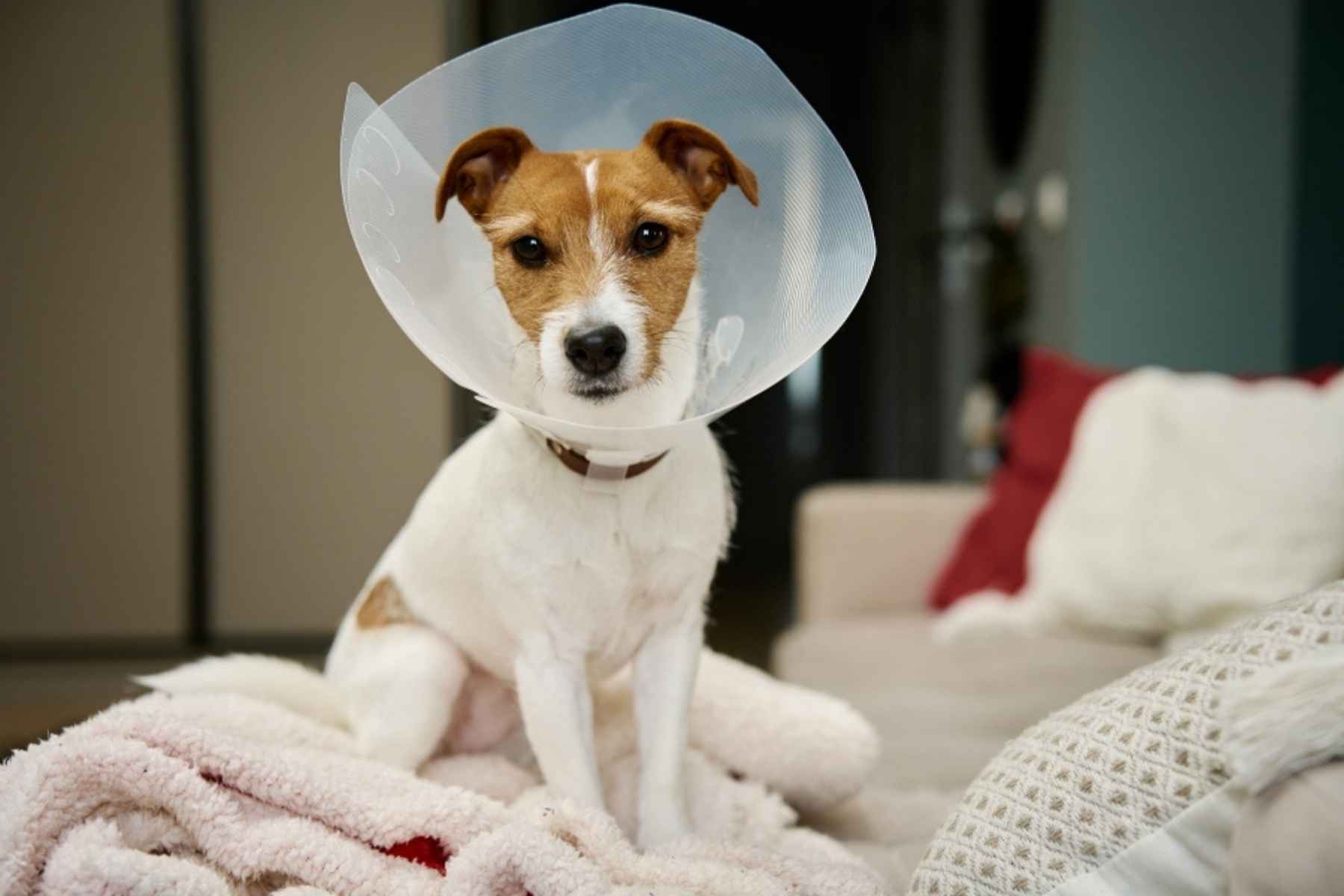
The classic plastic cone remains one of the most effective options for preventing access to surgical sites.
Benefits:
- Highly effective for most surgeries
- Durable and widely available
- Prevents reaching wounds on the body, legs, and tail
Drawbacks:
- Can interfere with eating and drinking
- Some pets experience stress or anxiety
- May bump into furniture or walls
Despite the adjustment period, many veterinarians still recommend traditional cones because they offer reliable protection during the critical healing phase.
Inflatable Recovery Collars
Inflatable collars resemble travel neck pillows and provide a softer alternative to rigid cones.
Benefits:
- More comfortable for many pets
- Allows better peripheral vision
- Easier for sleeping and resting
Drawbacks:
- Not ideal for long-snouted dogs
- Some pets can still reach certain areas
- Less effective for lower-body wounds
These collars work best for calm pets recovering from minor procedures.
Recovery Suits and Surgical Onesies
Recovery suits are soft fabric garments designed to cover surgical sites directly.
Benefits:
- Comfortable and lightweight
- Reduces anxiety in some pets
- Allows easier movement indoors
Drawbacks:
- Must fit correctly
- Needs regular cleaning
- Some pets may still chew through fabric
Recovery suits are commonly used after abdominal procedures, especially for cats and smaller dogs.
Soft Fabric Cones
Soft cones provide a middle ground between rigid cones and inflatable collars.
Benefits:
- More flexible than plastic cones
- Less intimidating for pets
- Easier navigation around the house
Drawbacks:
- May fold too easily for determined pets
- Less durable over time
These options may work well for pets that become highly stressed with hard plastic collars.
How to Choose the Right Device for Your Pet
Selecting the best anti-lick solution depends on several important factors.
Consider Your Pet’s Temperament
Some pets tolerate cones without issue, while others become anxious or attempt to remove them immediately. Active or determined pets often need stronger protection, while calmer animals may succeed with softer alternatives.
Evaluate the Surgery Location
The location of the incision matters significantly. Pets recovering from abdominal procedures may benefit from recovery suits, while pets with paw or tail injuries often require a cone for effective protection.
After many types of veterinary surgery, your veterinarian will recommend the safest device based on the surgical site and expected healing time.
Ensure Proper Fit
An improperly fitted device may fail to prevent licking or create discomfort. The collar should be snug but not restrictive. Your pet should still be able to breathe, eat, and rest comfortably.
Monitor Recovery Daily
Even with an anti-lick device, pet owners should inspect the incision regularly for:
- Redness
- Swelling
- Bleeding
- Unusual discharge
- Missing sutures
If any concerning symptoms appear, contact your veterinarian promptly.
Tips to Help Pets Adjust to Recovery Devices
Many pets need time to adapt to wearing cones or protective garments. These strategies can make the transition easier:
- Offer treats and praise when the device is worn calmly
- Rearrange furniture temporarily for easier movement
- Use shallow food and water bowls
- Supervise pets during the first few hours
- Keep pets mentally stimulated with gentle enrichment activities
Patience and consistency are important during recovery.
When to Contact Your Veterinarian
Some pets continue trying to lick or chew despite wearing protective devices. Others may show signs of severe discomfort, anxiety, or difficulty eating and sleeping.
Contact your veterinarian if:
- Your pet removes the device repeatedly
- The incision appears infected
- Swelling increases suddenly
- Your pet stops eating or drinking
- The device causes skin irritation
Proper post-operative care plays a major role in reducing complications and supporting long-term health outcomes.
Supporting a Safe Recovery at Home
Recovery after surgery requires more than medications alone. Creating a calm environment, limiting excessive activity, and using the right protective equipment can significantly improve healing success.
Pet owners in Henrietta, NY, who have questions about post-operative care can benefit from guidance tailored to their pet’s specific needs. At Ark Veterinary Hospital & Urgent Care, our team works closely with families to recommend safe recovery solutions for dogs and cats of all ages and breeds.
If you need guidance from a vet near you on post-surgical recovery and protective care, contact us with Ark Veterinary Hospital & Urgent Care. Our team can help you choose the most appropriate anti-lick device and provide personalized recovery recommendations to help your pet heal comfortably and safely.
Frequently Asked Questions
Q1. How long should my pet wear an anti-lick device after surgery?
Ans. Most pets need to wear an anti-lick device for about 10 to 14 days after surgery, but the exact recovery period depends on the procedure, your pet’s activity level, and how well the incision is healing. Some pets recovering from orthopedic procedures or more complex surgeries may need protection for a longer period. It is important not to remove the device too early, even if the incision appears healed on the surface, because internal healing may still be ongoing. Always follow your veterinarian’s instructions for the safest recovery timeline.
Q2. Can my dog sleep while wearing a cone?
Ans. Yes, most dogs can sleep comfortably while wearing a properly fitted cone or recovery collar. Although some dogs may seem uncomfortable during the first day or two, they usually adapt quickly. Soft recovery collars or padded cones may provide additional comfort for sleeping. Make sure your dog has a quiet resting area with enough space to move around safely. Keeping the cone on during sleep is important because many pets lick or chew their incision sites at night when they are less supervised.
Q3. Are recovery suits better than cones?
Ans. Recovery suits can be an excellent alternative for some pets, especially after abdominal surgeries or procedures involving the torso. They are often softer, less stressful, and allow pets to move more naturally around the home. However, recovery suits may not fully stop determined pets from licking or chewing the surgical area. Traditional cones generally provide stronger protection for pets recovering from more serious procedures or pets that persistently try to reach the incision. Your veterinarian can recommend the most suitable option based on your pet’s surgery type, behavior, and healing needs.
Q4. What happens if my pet licks the incision once?
Ans. A single quick lick may not always cause serious harm, but repeated licking can create significant problems during recovery. Pet saliva contains bacteria that can increase the risk of infection and irritation around the incision site. Excessive licking may also reopen stitches, cause swelling, or delay the healing process. If you notice your pet licking the incision frequently, it is important to use an anti-lick device consistently and monitor the area closely for redness, discharge, or swelling. Contact your veterinarian if the incision appears irritated or damaged.
Q5. Can cats use inflatable collars?
Ans. Some cats can tolerate inflatable collars, especially calm cats recovering from minor procedures. These collars are softer and less restrictive than traditional plastic cones, which may help reduce stress in certain pets. However, many cats are flexible enough to still reach surgical sites while wearing inflatable collars. For surgeries involving the abdomen, tail, or legs, veterinarians often recommend traditional e-collars for better protection. Every cat responds differently, so close supervision is important during the first few days of recovery.
Q6. How do I know if the anti-lick device fits correctly?
Ans. A properly fitted anti-lick device should prevent your pet from reaching the surgical site while still allowing them to eat, drink, breathe, and rest comfortably. The collar should fit snugly around the neck without causing choking or irritation. If your pet can still lick the incision, the device may be too small or incorrectly adjusted. On the other hand, if your pet struggles to move, eat, or breathe normally, the device may be too tight or oversized. Regularly check for rubbing, skin irritation, or signs of discomfort and consult your veterinarian if adjustments are needed.