
Caring for your dog after a surgical procedure requires attention to detail, especially when it comes to their diet. Proper nutrition plays a key role in helping your pet heal and regain strength. At Ark Veterinary Hospital & Urgent Care, we understand that post-surgery care can feel overwhelming for pet owners. After veterinary surgery such as neutering, your dog’s appetite, digestion, and energy levels may temporarily change. Choosing the right food can support healing, reduce discomfort, and promote a smooth recovery. This guide will help you understand what to feed your dog after neuter surgery, especially for pet owners in Henrietta, NY.
Why Diet Matters After Neuter Surgery
After surgery, your dog’s body needs proper nutrients to repair tissues and maintain energy. A balanced diet can:
- Support wound healing
- Boost the immune system
- Prevent digestive upset
- Maintain a healthy weight
Since activity levels are often reduced during recovery, it’s important to choose foods that are both nutritious and easy to digest.
What to Feed Your Dog After Neuter Surgery
1. Easily Digestible Foods
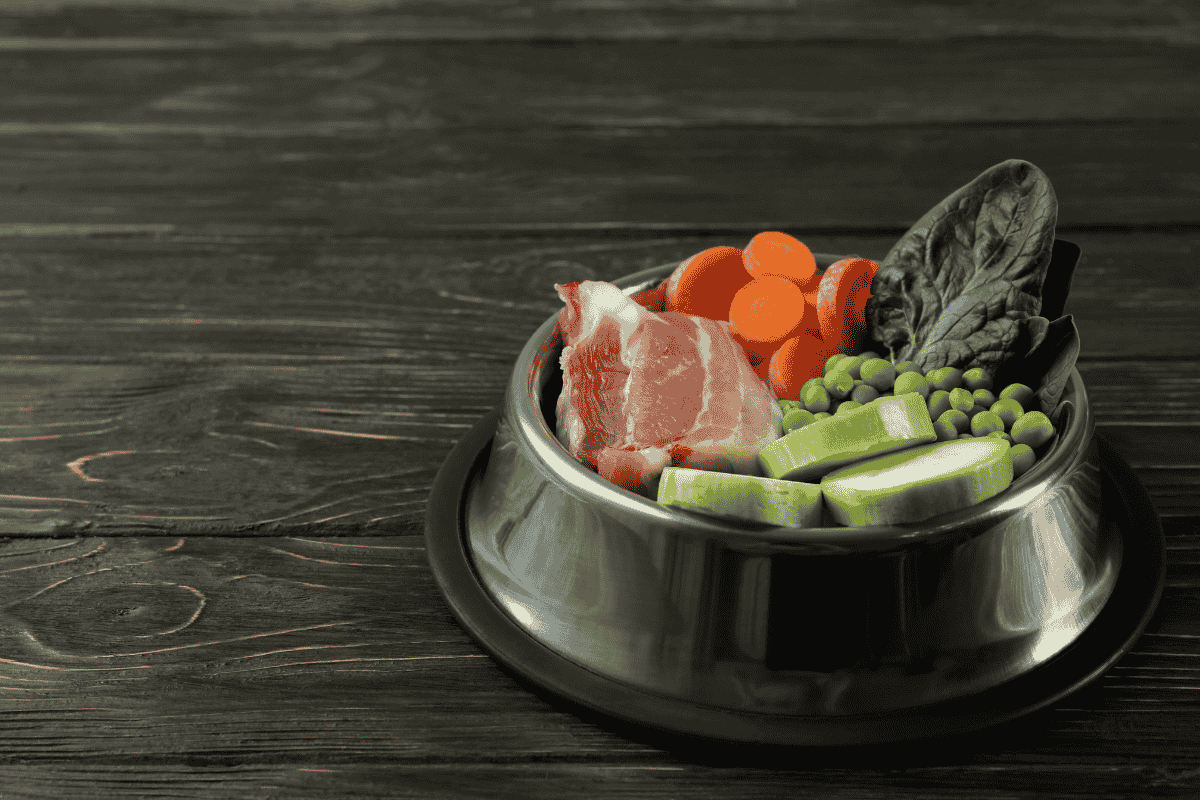
After surgery, your dog’s stomach may be sensitive. Bland, easy-to-digest foods such as boiled chicken and rice can help prevent nausea and support digestion.
2. High-Quality Protein
Protein is essential for tissue repair. Look for foods that contain lean, high-quality protein sources to aid healing.
3. Moist or Soft Foods
Soft foods are easier to eat, especially if your dog is feeling uncomfortable. Wet food or softened kibble can be a good option during the first few days.
4. Small, Frequent Meals
Instead of large portions, offer smaller meals throughout the day. This helps prevent digestive issues and keeps your dog comfortable.
5. Fresh Water
Always ensure your dog has access to clean, fresh water to stay hydrated and support recovery.
Foods to Avoid After Surgery
Certain foods can slow down recovery or cause discomfort. Avoid:
- Fatty or greasy foods
- Highly processed treats
- Sudden changes in diet
- Human foods that may upset digestion
Keeping your dog’s diet simple and consistent is key during recovery.
How Long Should You Feed a Recovery Diet?
Most dogs can return to their regular diet within a few days to a week, depending on their recovery progress. However, always:
- Follow your veterinarian’s recommendations
- Transition gradually back to regular food
- Monitor your dog for any signs of digestive issues
Each dog is different, so recovery timelines may vary.
Signs Your Dog Is Recovering Well
Proper nutrition supports healing, but it’s also important to monitor your dog’s overall condition. Positive signs include:
- Improved appetite
- Increased energy levels
- Normal bowel movements
- Reduced discomfort
If your dog shows signs of vomiting, lethargy, or loss of appetite, consult your veterinarian.
Tips for Feeding During Recovery
To make feeding easier and more effective:
- Serve food at room temperature
- Keep feeding areas calm and quiet
- Avoid overfeeding due to reduced activity
- Follow post-operative care instructions carefully
These small adjustments can make a big difference in your dog’s comfort.
The Role of Veterinary Guidance
Every dog’s recovery is unique, and dietary needs may vary based on age, size, and overall health. A veterinarian can:
- Recommend the best food options
- Adjust feeding plans as needed
- Monitor healing progress
Professional guidance ensures your dog receives the right care after veterinary surgery.
Feeding your dog the right food after neuter surgery is an essential part of their recovery process. By choosing easily digestible meals, providing proper nutrients, and following a consistent feeding routine, you can help your pet heal comfortably and efficiently. Understanding your dog’s needs during this time allows you to support their recovery and overall well-being.
FAQs:
Q1. What should I feed my dog after neuter surgery?
Ans. Bland, easily digestible foods like boiled chicken and rice are often recommended initially.
Q2. How soon can my dog eat after surgery?
Ans. Most dogs can eat a small meal within a few hours, depending on your vet’s advice.
Q3. Can I give my dog treats after surgery?
Ans. It’s best to avoid treats for a few days and focus on a simple recovery diet.
Q4. How long should I feed a bland diet?
Ans. Usually, for a few days, then gradually transition back to regular food.
Q5. What if my dog refuses to eat after surgery?
Ans. A temporary loss of appetite is normal, but consult your vet if it persists beyond 24–48 hours.
Q6. Is hydration important after surgery?
Ans. Yes, keeping your dog hydrated is essential for recovery and overall health.