

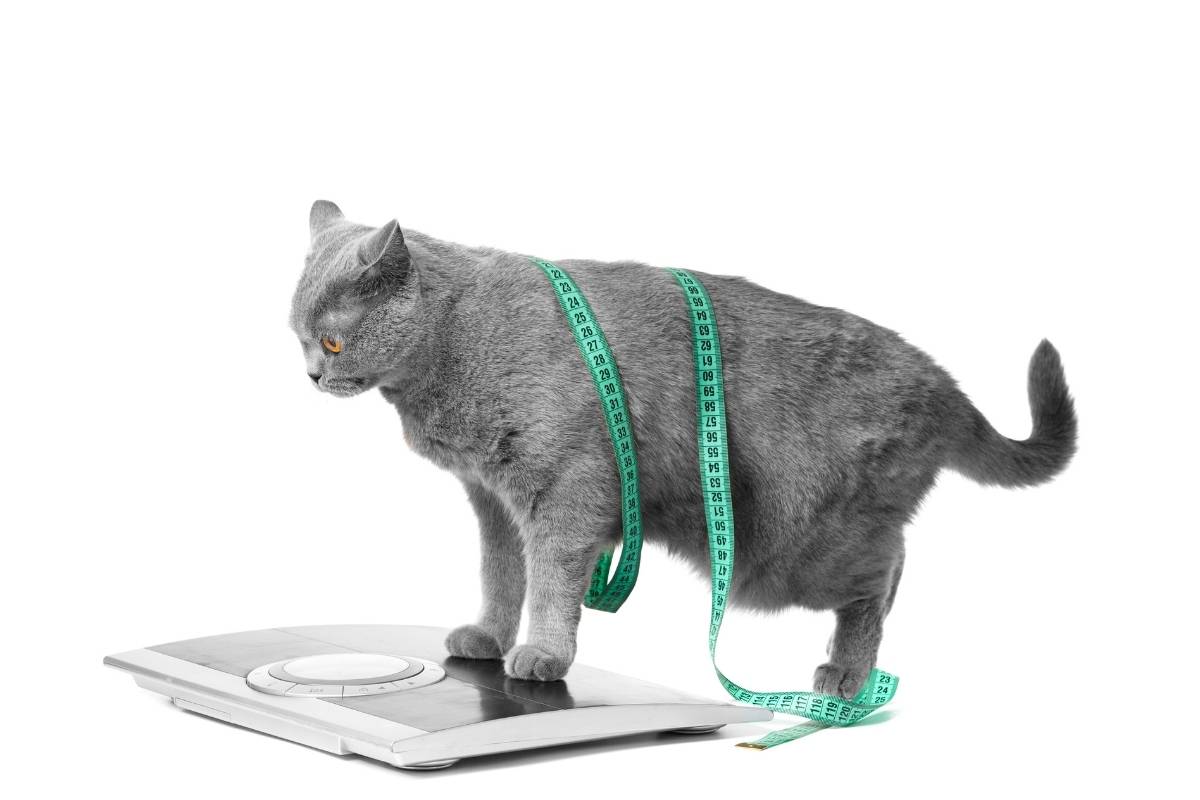
You finally made the responsible decision to spay your female cat. However, a few weeks later, you notice something unexpected — she’s packing on extra pounds. Naturally, you start wondering what went wrong. The truth is, weight gain after spaying is incredibly common, and it happens for very specific biological reasons.
It can be frustrating to watch your active cat slow down and expand, but you are not alone in this struggle. Understanding the biological mechanisms behind this change is the first step toward a solution. At Ark Veterinary Hospital & Urgent Care, we want to help you navigate this post-operative phase seamlessly, serving our dedicated community of pet lovers here in Henrietta, NY.
What Happens Inside Your Cat’s Body After Spaying
First and foremost, spaying involves a veterinary surgery that removes your cat’s ovaries and uterus. Once a surgeon removes these reproductive organs, your cat’s body stops producing key hormones like estrogen and progesterone. These hormones do far more than regulate reproduction — they also influence metabolism, appetite, and how her body stores fat.
Consequently, once those hormones disappear, your cat’s metabolic rate drops significantly. Studies suggest that a spayed female cat’s energy requirements decrease by approximately 20–30% almost immediately after the procedure. Therefore, if she continues eating the same amount of food, her body simply converts those extra calories into fat.
Why Appetite Increases After Spaying
In addition to a slower metabolism, many female cats experience a noticeable increase in appetite after spaying. Estrogen naturally acts as an appetite suppressant. When the ovaries no longer produce it, your cat’s brain receives fewer signals telling her she’s full.
As a result, she may beg for food more frequently, eat faster, and show more interest in treats. Her belly, sides, and hindquarters often become the first areas where you notice fat accumulating. Without intervention, this increased hunger drives steady weight gain over the following months.
How Extra Weight Affects Your Cat’s Body
Carrying excess weight puts tremendous strain on your cat’s entire body. Specifically, extra pounds stress her joints, particularly in her hips, knees, and spine. Over time, this pressure leads to arthritis, reduced mobility, and chronic pain.
Furthermore, overweight cats face a significantly higher risk of developing diabetes, liver disease, and urinary tract problems. Fat deposits around her chest and abdomen can even restrict her lungs and make breathing more difficult during play or exercise. Additionally, excess weight puts strain on her heart, forcing it to work harder to pump blood through her body.
Clearly, maintaining a healthy weight after spaying isn’t just about appearance — it directly protects her organs, bones, and overall quality of life.
Practical Tips to Manage Your Cat’s Weight After Spaying:
1. Reduce Calorie Intake Immediately
Since your cat’s metabolism slows down right after surgery, you should reduce her daily food intake by about 20–25%. Switch to a high-quality, weight-management formula that provides balanced nutrition without excessive calories. Always measure portions with a proper cup rather than eyeballing them.
2. Choose Protein-Rich, Low-Carb Food
Cats are obligate carnivores, which means their bodies thrive on protein. Select foods that list real meat as the first ingredient. High-protein diets help preserve lean muscle mass in her legs, shoulders, and core while keeping fat accumulation under control.
3. Establish a Feeding Schedule
Instead of free-feeding throughout the day, offer two to three measured meals at consistent times. This approach prevents overeating and helps regulate her digestive system. Additionally, scheduled meals make it easier for you to monitor exactly how much she consumes.
4. Encourage Daily Physical Activity
Interactive play sessions keep your cat’s muscles toned and her metabolism active. Use feather wands, laser pointers, and puzzle feeders to engage her mind and body. Aim for at least 15–20 minutes of active play each day. Movement strengthens her legs, keeps her spine flexible, and burns calories effectively.
5. Limit Treats and Table Scraps
Treats should make up no more than 10% of your cat’s daily caloric intake. Many commercial treats contain surprisingly high calories that quickly add up. Instead, consider offering small pieces of cooked chicken breast or freeze-dried meat treats as healthier alternatives.
6. Schedule Regular Weigh-Ins
Bring your cat in for regular weight checks so your veterinarian can track her body condition score. Early detection of weight gain allows you to make adjustments before the problem becomes severe. Your vet can also feel along her ribs and abdomen to assess whether she’s carrying excess fat.
The Role of Your Veterinarian in Post-Spay Weight Management
Your veterinarian plays a crucial role in helping your cat maintain a healthy weight after veterinary surgery. During follow-up visits, your vet evaluates your cat’s body condition, checks her muscle tone, and examines her overall health. Together, you can create a customized nutrition and exercise plan tailored specifically to your cat’s breed, age, and activity level.
Moreover, your vet can rule out other medical conditions — such as hypothyroidism — that might contribute to unexpected weight gain. Professional guidance ensures you’re not just guessing but rather following a science-backed approach to your cat’s wellness.
Signs Your Cat May Already Be Overweight
Sometimes, weight gain creeps up so gradually that owners don’t notice until significant changes have occurred. Watch for these warning signs:
- You can no longer feel her ribs when you gently press along her sides
- Her waist disappears when you view her from above
- Her belly hangs low and sways when she walks
- She struggles to groom her back, hips, or hindquarters
- She becomes less active, preferring to sleep rather than play
- She breathes heavily after minimal exertion
If you notice any of these signs, schedule an appointment with your vet promptly. Early intervention makes a significant difference.
Weight gain after spaying is a common challenge, but it’s absolutely manageable when you take proactive steps. By adjusting your cat’s diet, encouraging daily exercise, and scheduling regular veterinary checkups, you can keep her body healthy, her joints strong, and her energy levels high for years to come.
Frequently Asked Questions:
Q1. How soon after spaying can I start feeding my cat normally?
Ans. Typically, cats resume normal feeding within 24 hours post-surgery. Consult your veterinarian for specific guidance.
Q2. Is weight gain unavoidable after spaying?
Ans. Not always. Weight gain can be managed with portion control, diet, and regular exercise.
Q3. Can indoor cats gain more weight than outdoor cats?
Ans. Yes. Indoor cats often have fewer opportunities for exercise, making portion control and play essential.
Q4. Are certain cat breeds more prone to weight gain?
Ans. Yes. Breeds like Persians, Ragdolls, and British Shorthairs may gain weight more easily after spaying.
Q5. How can I tell if my cat is overweight?
Ans. Check for a visible waistline, a tucked abdomen, and palpable ribs under a thin layer of fat.
Q6. Can weight gain affect my cat’s recovery from spaying?
Ans. Maintaining a healthy weight supports faster recovery and reduces the risk of post-surgical complications.