
As pet parents, we constantly worry about our furry companions’ health, safety, and happiness when we’re not around. Smart pet health gadgets have revolutionized how we care for our beloved animals, offering peace of mind through innovative technology. From GPS collars that track your adventurous pup to automatic feeders that maintain perfect portion control, these devices are transforming modern pet ownership.
Today’s pet technology market offers solutions that monitor activity levels, prevent overfeeding, and even help locate lost pets within seconds. Let’s explore how these cutting-edge tools can enhance your pet’s wellbeing and strengthen your bond.
Understanding Smart Pet Technology for Modern Pet Parents
Pet health technology has evolved from simple identification tags to sophisticated monitoring systems. These devices connect to smartphone apps, providing real-time data about your pet’s location, activity levels, and eating habits.
The integration of artificial intelligence and IoT (Internet of Things) has made these gadgets more intuitive and user-friendly. Most devices now offer cloud storage, allowing you to track patterns and share information with your veterinarian during checkups.
Smart gadgets aren’t just conveniences—they’re preventive health tools that can detect early signs of illness through behavioral changes. This proactive approach to pet care helps identify issues before they become serious health concerns.
GPS Pet Collars: Never Lose Your Best Friend Again
How GPS Tracking Collars Work
GPS pet collars use satellite technology combined with cellular networks to pinpoint your pet’s exact location. These lightweight devices attach to regular collars and transmit location data directly to your smartphone.
Modern GPS trackers offer features like geofencing, which sends instant alerts when your pet leaves designated safe zones. Battery life typically ranges from 2-7 days, depending on tracking frequency and usage patterns.
Top Benefits of GPS Pet Tracking
Real-time location tracking provides immediate peace of mind for pet owners with escape artists or outdoor cats. The technology works nationwide, making it perfect for camping trips or relocations.
Many GPS collars also include activity monitoring features, combining location services with fitness tracking. This dual functionality helps justify the monthly subscription fees most services require.
Virtual boundaries can be customized for different times of day, accommodating your pet’s routine while ensuring their safety. Historical location data helps identify patterns and favorite hiding spots.
Pet Activity Trackers: Your Pet’s Personal Fitness Coach
Monitoring Daily Exercise and Rest Patterns
Activity trackers for pets work similarly to human fitness bands, recording steps, distance traveled, and calories burned. These devices help ensure your pet maintains healthy activity levels appropriate for their age and breed.
Sleep quality monitoring reveals important health indicators, as changes in rest patterns often signal underlying health issues. The data collected creates baseline measurements veterinarians can reference during examinations.
Setting and Achieving Health Goals
Customizable activity goals help combat pet obesity, a growing concern affecting over 50% of domestic pets. The gamification of pet fitness through achievement badges and challenges motivates owners to engage more actively with their pets.
Weekly and monthly reports highlight trends, making it easier to adjust exercise routines seasonally. Some trackers even suggest activities based on weather conditions and your pet’s energy levels.
Automatic Pet Feeders: Precision Nutrition Made Simple
Smart Feeding Technology Features
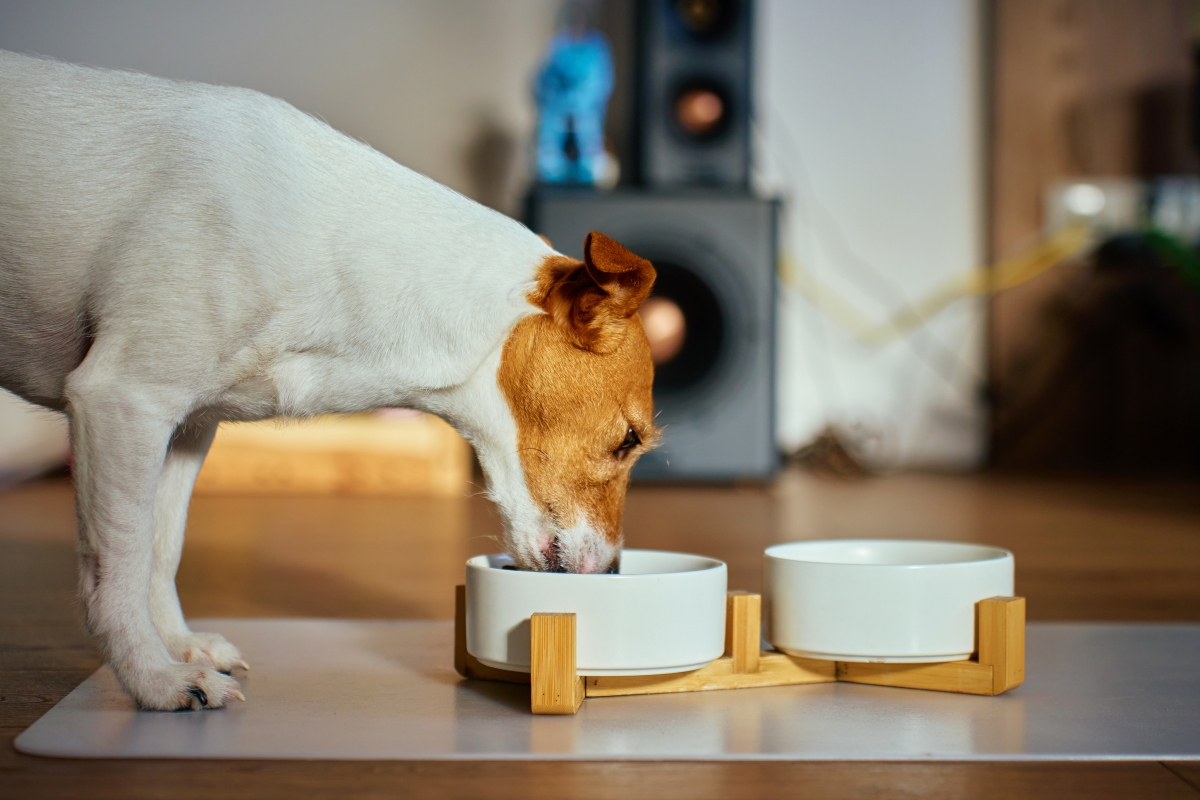
Automatic feeders have evolved beyond simple timers to include portion control, meal scheduling, and even facial recognition. These devices prevent overfeeding while maintaining consistent meal times, crucial for pets with medical conditions.
WiFi-enabled feeders allow remote feeding control, perfect for unpredictable work schedules. Built-in cameras let you watch your pet eat, ensuring they’re consuming their meals properly.
Voice recording features comfort anxious pets by playing your voice during feeding times. This personal touch helps maintain routines even when you’re away.
Choosing the Right Automatic Feeder
Consider your pet’s size, eating habits, and dietary requirements when selecting a feeder. Cats typically need smaller, more frequent meals, while dogs often do well with two larger portions.
Look for feeders with backup battery power to ensure consistent feeding during power outages. Stainless steel or ceramic bowls are preferable to plastic for hygiene and durability.
If you notice unusual eating patterns detected by your smart feeder, it might be time to search for an “animal hospital near me” to rule out any health concerns.
Integration and Compatibility: Building Your Pet’s Smart Ecosystem
Most modern pet gadgets integrate with popular smart home systems like Alexa or Google Home. This connectivity allows voice commands and automated routines based on your daily schedule.
Data synchronization between devices creates comprehensive health profiles accessible from single dashboard apps. This consolidated view helps identify correlations between activity, feeding, and overall wellness.
Choose devices from manufacturers offering open APIs for maximum compatibility with future purchases. Regular firmware updates ensure your devices remain secure and feature-rich.
Making Smart Choices: What to Consider Before Buying
Budget and Subscription Costs
Initial device costs range from $30 for basic trackers to $300+ for premium GPS collars. Factor in monthly subscriptions, which typically run $5-15 for GPS services.
Consider the total cost of ownership over your pet’s lifetime when evaluating options. Sometimes, investing in quality devices upfront saves money on replacements and veterinary bills.
Your Pet’s Specific Needs
Senior pets benefit most from activity tracking to monitor declining mobility. Young, energetic pets need robust GPS collars that withstand rough play.
Consider your lifestyle—frequent travelers need reliable automatic feeders, while urban pet owners might prioritize GPS tracking. Ark Veterinary Hospital & Urgent Care recommends discussing technology options during regular wellness visits.
Smart pet health gadgets represent a significant leap forward in preventive pet care and owner peace of mind. These innovative tools help us understand our pets’ needs better while ensuring their safety and health around the clock.
Start with one device that addresses your primary concern—whether that’s location tracking, activity monitoring, or feeding management. As you experience the benefits, you can gradually build a comprehensive smart pet care system that gives your furry friend the best possible life.
Frequently Asked Questions:
Q1: How accurate are GPS pet trackers in urban environments?
Ans: Modern GPS pet trackers achieve accuracy within 10-15 feet in urban areas with good cellular coverage. Tall buildings may occasionally cause signal interference, but most devices switch to WiFi or Bluetooth for enhanced precision in these situations.
Q2: Can activity trackers detect illness in pets?
Ans: Yes, activity trackers can identify concerning patterns like decreased movement, irregular sleep, or sudden behavior changes. These early warning signs often prompt timely veterinary visits, though trackers should never replace professional medical evaluations.
Q3: Do automatic feeders work for pets on special diets?
Ans: Most smart feeders accommodate special diets perfectly, allowing precise portion control and scheduled feeding times. Some models even support multiple pets with different dietary needs using RFID technology to control access.
Q4: What happens to GPS collars if my pet goes swimming?
Ans: Quality GPS collars are waterproof with IP67 or higher ratings, functioning normally during swimming or rain. Always verify water resistance levels before purchase and ensure proper collar fit to prevent loss during water activities.
Q5: How long do smart pet gadget batteries typically last?
Ans: Battery life varies significantly: GPS trackers last 2-7 days, activity monitors run 7-14 days, and automatic feeders on AC power have backup batteries lasting 24-48 hours. Regular charging schedules ensure continuous monitoring.
Q6: Are smart pet gadgets safe for puppies and kittens?
Ans: Most manufacturers recommend waiting until pets reach 12-16 weeks old before using tracking devices. Automatic feeders work well for young pets when programmed with appropriate portion sizes and feeding frequencies for their developmental stage.