
If you’ve noticed your dog or cat’s breath isn’t so pleasant, you’re not alone. Many pet owners assume bad breath is just part of life with pets, but in reality, it can signal more serious conditions affecting your pet’s health. From plaque buildup to hidden infections, unpleasant odors often point to dental or medical issues that shouldn’t be ignored. Prioritizing pet dental care not only freshens your companion’s breath but also protects their overall well-being.
Typical Causes of Bad Breath in Pets
There are several reasons why dogs and cats may develop persistent bad breath:
- Plaque and tartar buildup: Food particles and bacteria combine to form sticky layers on teeth. Over time, this hardens into tartar, irritating gums, and causing odor.
- Gum disease: Gingivitis and periodontal disease are among the leading causes of bad breath. They often progress silently until advanced stages.
- Diet and chewing habits: Pets that eat low-quality food or chew on inappropriate items are more likely to have poor oral hygiene.
- Underlying health conditions: Sometimes, bad breath has nothing to do with the mouth itself. Kidney disease, liver disorders, or diabetes can all produce noticeable changes in breath odor.
By understanding the root cause, pet owners can take timely action and prevent long-term damage.
Why You Shouldn’t Ignore Pet Bad Breath
It’s easy to dismiss bad breath as minor, but ignoring it can put your pet at serious risk. Dental infections don’t just stay in the mouth—they can spread bacteria into the bloodstream, potentially damaging the heart, kidneys, or liver.
Pets with untreated dental disease may also:
- Experience chronic pain
- Struggle with chewing or refuse food
- Suffer from loose or lost teeth
- Develop infections that impact other organs
When dental disease is left unchecked, pets may face a shorter lifespan and reduced quality of life. Addressing oral health early is one of the most effective ways to protect your companion’s long-term well-being.
Home Care Tips for Fresher Breath
While professional dental care is essential, there are plenty of simple things pet owners can do at home to support oral hygiene:
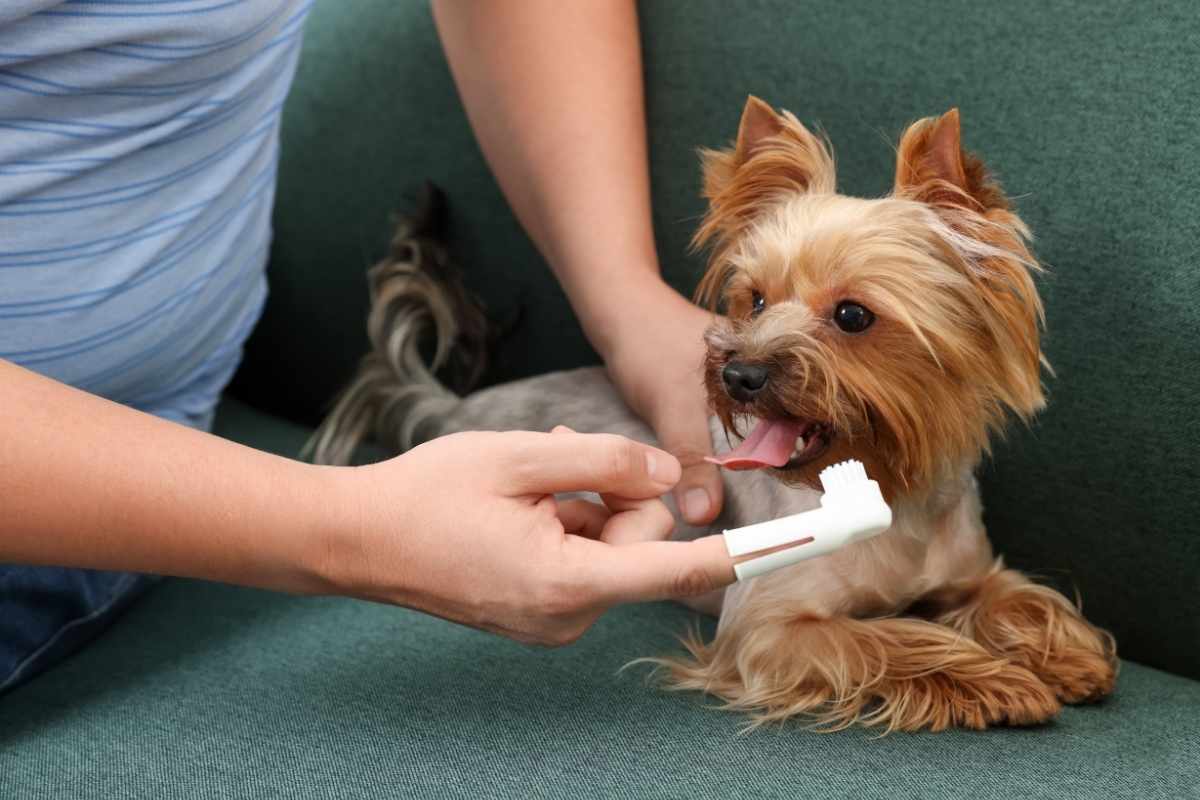
- Brush regularly: Use a soft pet toothbrush and veterinary-approved toothpaste. Start slow and gradually increase frequency.
- Offer dental chews and toys: Choose options approved by veterinary dental organizations that help scrape away plaque naturally.
- Provide fresh water: Hydration is critical to flushing away bacteria and keeping saliva healthy.
- Feed a balanced diet: High-quality food supports stronger teeth and gums while reducing plaque buildup.
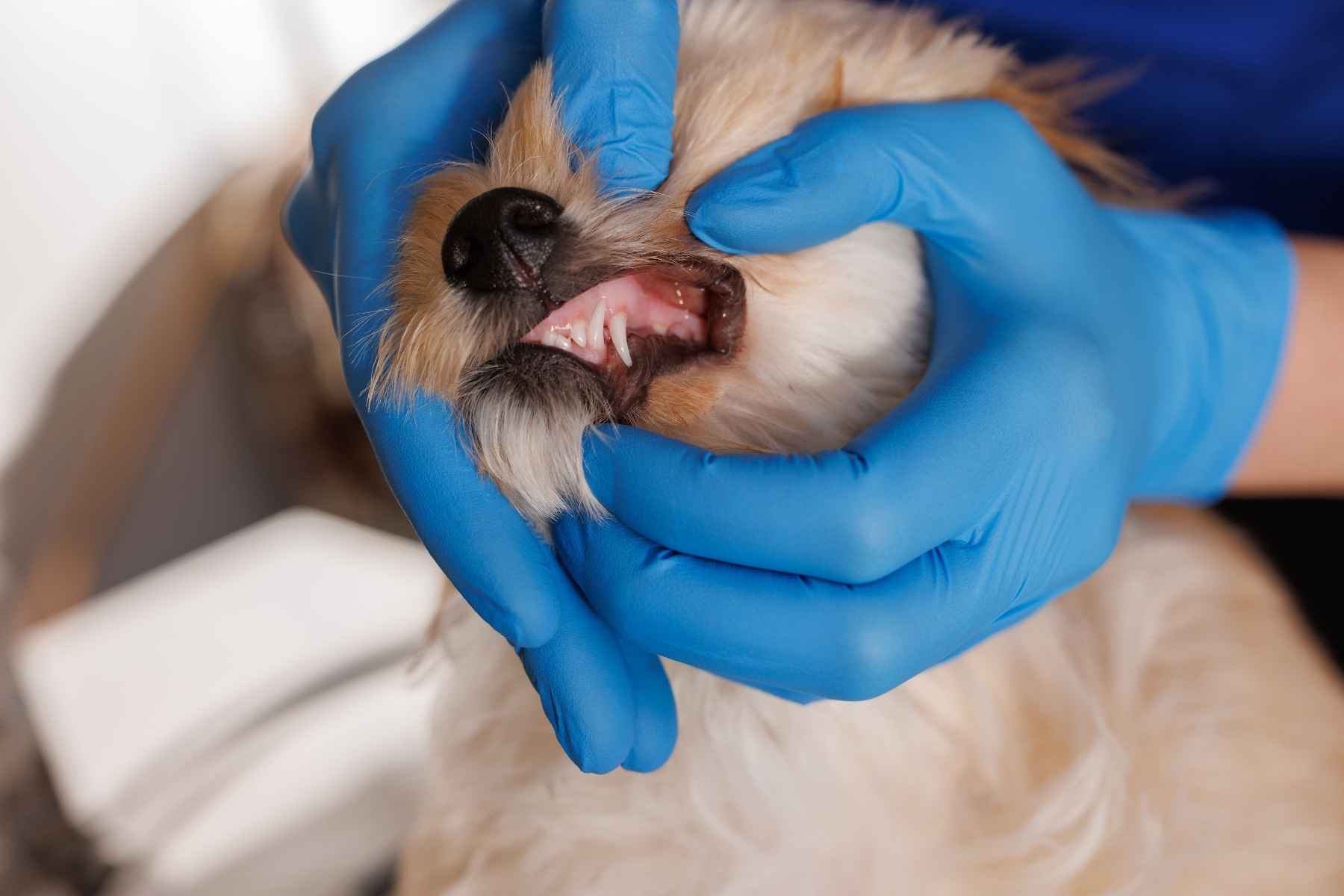
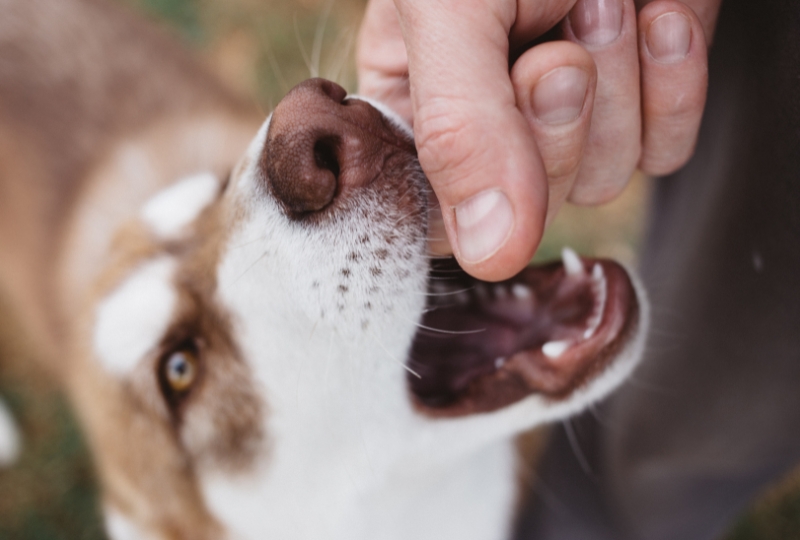
- Routine checks at home: Lift your pet’s lips occasionally to check for swelling, redness, or visible tartar.
These small habits create a big difference in keeping your pet’s breath fresh and mouth healthy between vet visits.
Knowing When Your Pet Needs Expert Dental Attention
Even with consistent home care, pets still need professional support. A veterinary dental exam is the only way to fully assess your pet’s oral health.
Watch for these warning signals that mean it’s time to see a vet:
- Inflamed or bleeding gums that appear painful
- Hesitation to chew food or play due to mouth discomfort
- Excessive drooling or frequent pawing at the face
Professional cleanings involve scaling and polishing under anesthesia, allowing veterinarians to remove tartar below the gumline and address hidden concerns. These cleanings also give vets a chance to examine your pet’s mouth for signs of infection, injury, or even oral tumors.
If you’ve noticed ongoing dental concerns, expert pet dental services provide the comprehensive care your pet needs for a healthier mouth and happier life.
Why Oral Health Matters for Your Pet’s Whole Body
Pet dental care isn’t only about fresh breath—it’s about protecting total health. Studies show that pets with untreated dental disease are at a greater risk of developing systemic illnesses. The bacteria in the mouth can enter the bloodstream and contribute to heart disease, liver complications, and kidney infections.
Caring for your pet’s teeth is just as important as providing a balanced diet, regular exercise, and annual wellness exams. By making oral hygiene a priority, you’re investing in your pet’s comfort, longevity, and quality of life.
Bad breath in pets is more than an inconvenience—it’s a signal worth paying attention to. With consistent home care and regular veterinary dental checkups, you can ensure your dog or cat enjoys fresh breath, strong teeth, and lasting health. Addressing dental problems early not only prevents discomfort but also supports a happier, healthier life for your furry family member.
FAQs
Q1. Why do dogs often develop bad breath?
Ans: In most cases, bad breath in dogs is caused by plaque buildup, gum disease, or oral infections. Sometimes, diet and underlying health conditions may also contribute.
Q2. Is bad breath in cats a sign of illness?
Ans. Yes, bad breath in cats can indicate dental problems or systemic issues such as kidney disease. A veterinary exam is the best way to find the cause.
Q3. How often should pets get dental cleanings?
Ans. Most pets benefit from professional dental cleanings once a year, though some breeds or high-risk pets may require them more frequently.
Q4. Can I brush my dog or cat’s teeth at home?
Ans. Absolutely. Brushing is one of the best ways to reduce plaque and bacteria, but it should always be done with pet-safe toothpaste.
Q5. What are the warning signs of dental disease in pets?
Ans. Signs include foul breath, swollen gums, drooling, difficulty eating, and loose teeth. Spotting dental issues early makes treatment more effective.
Q6. Does pet dental care improve overall health?
Ans. Yes, maintaining oral hygiene reduces the risk of infections spreading to vital organs and improves your pet’s comfort, appetite, and quality of life.