
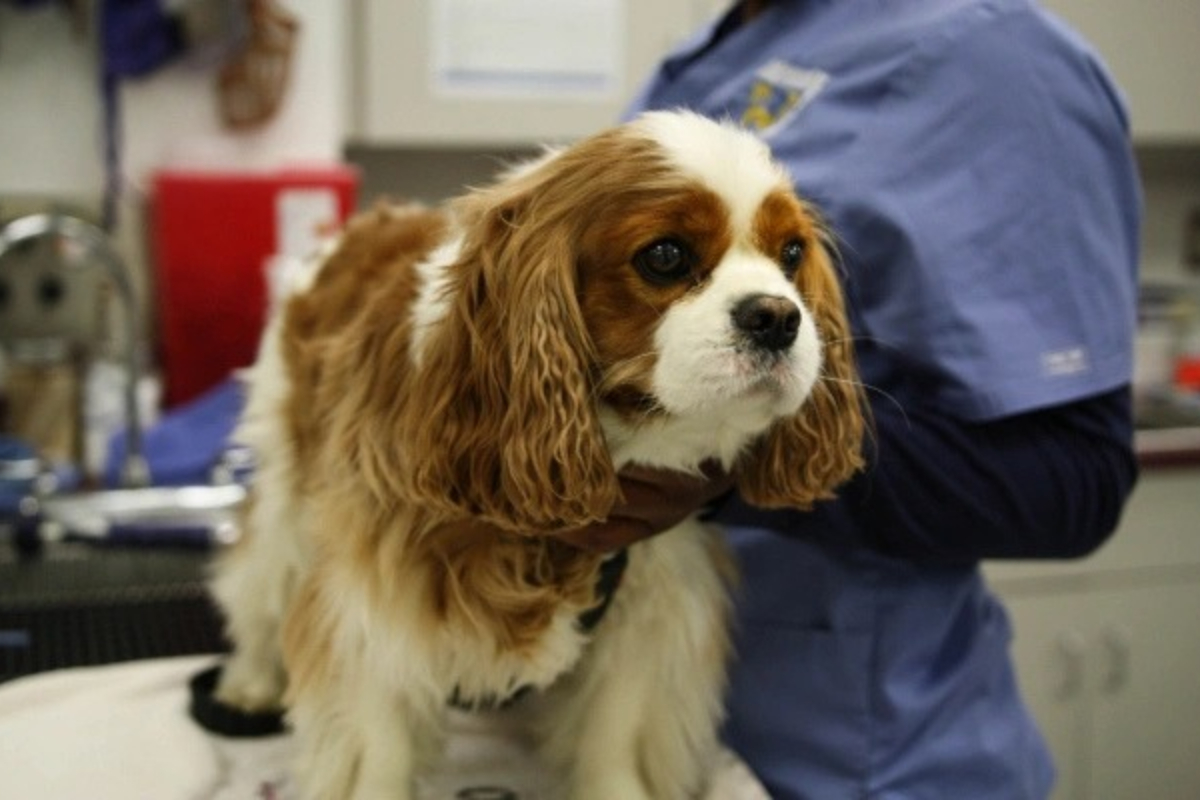
A dog that suddenly starts limping can leave any pet owner worried. One moment, your dog is running around the yard, and the next, they are favoring one leg or refusing to walk normally. Sometimes, the cause is something minor, like a small cut or a strained muscle. Other times, limping can indicate a joint injury, broken bone, or another condition that needs veterinary attention.
Limping can affect more than your dog’s ability to walk. Ongoing discomfort may interfere with playtime, sleep, exercise, and everyday activities. Recognizing the problem early can help your dog recover and return to the routines they enjoy.
For dog owners in Henrietta, understanding the possible causes of limping can make it easier to decide when veterinary care is necessary. This guide explains what different types of limping may indicate, how veterinarians diagnose the problem, and which treatments can help your dog move comfortably again.
What Does Limping in Dogs Mean?
Limping, also called lameness, occurs when a dog changes how they walk because of pain, weakness, or difficulty using a limb.
Some dogs place less weight on the affected leg, while others avoid putting it on the ground entirely. The problem may develop suddenly or become noticeable over several weeks.
Common signs include:
- Favoring one leg while walking or running
- Taking shorter steps than usual
- Holding a paw off the ground
- Struggling to climb stairs or jump
- Walking stiffly after sleeping
- Licking or chewing at a painful area
- Showing less interest in physical activity
Even if your dog continues eating and playing, persistent limping should not be ignored.
Common Reasons Why Your Dog May Limp
Several conditions can affect your dog’s ability to walk comfortably. Identifying the cause is necessary before choosing treatment.
Paw Injuries and Foreign Objects
Dogs frequently injure their paws while walking outdoors. Small stones, glass fragments, thorns, or other sharp objects can become lodged between their toes. Cracked paw pads and torn nails can also cause considerable discomfort. You may notice your dog licking one paw repeatedly or avoiding pressure on it.
Muscle Strains and Sprains
Running, jumping, slipping, or playing too vigorously can injure muscles and ligaments. A dog with a mild strain may continue walking but limp more noticeably after physical activity. Although some minor injuries improve with rest, persistent pain may indicate more serious tissue damage.
Arthritis and Joint Problems
Arthritis is a common reason older dogs develop recurring limping. As joints become inflamed and undergo degenerative changes, movement can become uncomfortable. Dogs may appear stiff when getting up but walk somewhat better after moving around. Arthritis often affects the hips, knees, elbows, and other weight-bearing joints.
Cranial Cruciate Ligament Injuries
The cranial cruciate ligament helps stabilize a dog’s knee. When this ligament becomes damaged or tears, dogs may develop sudden or gradually worsening hind-leg limping.
Common signs include difficulty bearing weight, stiffness after resting, and reluctance to run or jump. Some injuries require surgery, depending on the dog’s condition and the extent of ligament damage.
Fractures and Dislocated Joints
Falls, vehicle accidents, and other injuries can cause broken bones or dislocated joints. Affected dogs may refuse to use the injured limb and experience significant pain or swelling.
These injuries require immediate veterinary assessment. Attempting to straighten or reposition the limb at home can cause additional damage.
Infections and Other Health Conditions
Infections, inflammatory conditions, and certain tick-borne diseases can cause painful joints and limping. Some dogs experience shifting-leg lameness, where the discomfort appears to move between limbs.
Less commonly, persistent limping may be associated with bone tumors or neurological conditions. A veterinary examination helps determine whether the problem involves muscles, joints, bones, or another body system.
Why Is My Dog Limping Suddenly?
Sudden limping often follows an injury, even when the incident goes unnoticed. Your dog might land awkwardly after jumping, twist a leg during play, or step on something sharp.
However, an obvious accident is not always necessary. Certain ligament injuries can occur during ordinary movement.
Pay attention to:
- Which leg appears affected
- Whether your dog can bear weight
- When the limping started
- Whether swelling or bleeding is present
- Whether your dog seems unusually tired or distressed
This information can help your veterinarian assess the situation.
When Does Dog Limping Require Veterinary Attention?
Not every limp represents an emergency, but some symptoms require immediate medical attention.
Seek emergency veterinary care if your dog:
- Cannot stand or walk normally
- Refuses to put any weight on a leg
- Has an obviously deformed or severely swollen limb
- Experiences limping after a serious accident
- Has an open wound or uncontrolled bleeding
- Shows severe pain, weakness, or collapse
A mild limp without other concerning symptoms may improve with brief rest. However, contact your veterinarian if it persists, worsens, or repeatedly returns.
Our veterinarians provide urgent pet care for injuries and other time-sensitive health concerns during our operating hours. Calling ahead allows our team to assess your dog’s symptoms and advise you on the next steps.
What Should You Do When Your Dog Starts Limping?
If your dog begins limping, keeping them calm and limiting unnecessary movement can help prevent additional injury.
Steps to Take at Home
1. Restrict physical activity.
Avoid running, jumping, stairs, and rough play until the cause is understood.
2. Examine the paws carefully.
If your dog allows it, look for visible cuts, damaged nails, or objects between the toes. Stop if the examination causes pain.
3. Provide a comfortable resting area.
Keep your dog on a supportive surface away from slippery floors.
4. Record changes in movement.
A short video of your dog walking can help your veterinarian evaluate intermittent limping.
5. Avoid human pain medications.
Never give ibuprofen, acetaminophen, naproxen, or other human pain relievers without veterinary direction. These medications can be dangerous for dogs.
Do not massage, stretch, or manipulate an injured limb without professional guidance.
How Veterinarians Diagnose the Cause of Limping
Determining why a dog is limping usually begins with a physical examination and a discussion of recent symptoms.
Our vets may assess your dog’s walking pattern, examine the affected limb, and check for pain, swelling, or joint instability.
Depending on the findings, further testing may include:
- X-rays: To examine bones and identify fractures or certain joint abnormalities
- Blood tests: To investigate suspected infections or inflammatory conditions
- Joint examinations: To assess ligament stability and joint movement
- Additional imaging: To investigate suspected soft tissue injuries or other abnormalities
Not every dog requires extensive testing. The examination findings help determine which diagnostic steps are appropriate.
What Treatments Can Help a Limping Dog?
Treatment depends on the underlying cause, the severity of the condition, and your dog’s overall health.
Rest and Activity Restrictions
Minor strains may improve with controlled rest and temporary exercise restrictions. Your veterinarian will explain when normal activity can safely resume.
Veterinary Pain Management
Prescription medications may help control pain and inflammation. The medication and dosage must be selected by a veterinarian based on your dog’s condition and medical history.
Rehabilitation and Mobility Support
Some dogs benefit from rehabilitation exercises, weight management, and changes to their daily environment. These measures can support mobility, particularly when managing chronic joint conditions.
Surgical Treatment
Certain fractures, ligament injuries, and joint problems may require surgery. The veterinarian will discuss available options, expected recovery, and whether a surgical referral is appropriate. Our veterinary team offers urgent pet care to evaluate sudden injuries and determine the treatment or referral your dog may need.
Can You Prevent Limping in Dogs?
Although not every injury is preventable, several habits can help protect your dog’s joints and muscles.
- Maintain a healthy body weight.
- Provide regular, appropriate exercise.
- Keep nails trimmed.
- Check paws after outdoor activities.
- Use rugs or mats on slippery floors.
- Avoid sudden increases in strenuous activity.
- Schedule veterinary examinations to monitor mobility.
For older dogs, noticing changes in movement early can make chronic conditions easier to manage.
Help Your Dog Move Comfortably Again
A dog’s ability to walk, run, and play affects their daily comfort and happiness. When limping interferes with these activities, identifying the cause can make a meaningful difference. Early veterinary attention may relieve discomfort, prevent certain injuries from worsening, and help your dog return to familiar routines.
At Ark Veterinary Hospital & Urgent Care, we understand how concerning it can be to watch your dog struggle with movement. Our veterinarians are here to investigate the problem, explain the findings, and recommend appropriate care.
If your dog is limping, don’t wait for the discomfort to become worse. Call our veterinary hospital in Henrietta immediately. We are available 7 days a week. Our team can help determine how urgently your dog needs to be seen and guide you toward the care needed for a more comfortable, active life.
Frequently Asked Questions
Q1. Why is my dog limping without showing pain?
Ans. Dogs do not always cry or whine when they are uncomfortable. Mild joint problems, muscle injuries, and arthritis may cause limping without obvious distress. Persistent changes in walking should be evaluated by a veterinarian.
Q2. Can a dog’s limp go away on its own?
Ans. Some mild strains improve with rest. However, ligament injuries, fractures, and chronic joint conditions may require treatment. If limping continues, worsens, or returns, arrange a veterinary examination.
Q3. How can I get my limping dog examined in Henrietta?
Ans. Contact Ark Veterinary Hospital & Urgent Care at 585-487-8700. Our team can discuss your dog’s symptoms, assess the urgency, and explain the next steps for an examination during our operating hours.
Q4. Is limping in older dogs always arthritis?
Ans. No. Although arthritis is common in aging dogs, injuries, ligament problems, infections, and other medical conditions can cause similar symptoms. A veterinary examination is necessary to identify the underlying problem.
Q5. Does Ark Veterinary Hospital & Urgent Care treat sudden limping?
Ans. Yes. Ark Veterinary Hospital & Urgent Care evaluates urgent health concerns during operating hours. Call before arriving so our team can assess your dog’s condition and determine whether immediate examination or emergency referral is appropriate.
Q6. Can I bring my dog to Ark Veterinary Hospital & Urgent Care on weekends?
Ans. Yes. Ark Veterinary Hospital & Urgent Care provides veterinary services seven days a week. Weekend hours are generally Saturday, 8 AM–8 PM, and Sunday, 9 AM–8 PM. Please call 585-487-8700 first because urgent-care availability and closing times may change.