Pancreatitis is an inflammatory condition that affects the pancreas, an organ responsible for producing digestive enzymes and regulating blood sugar. When the pancreas becomes inflamed, digestive enzymes can damage pancreatic tissue, causing discomfort and potentially serious complications. Recognizing symptoms such as vomiting, abdominal pain, and loss of appetite early can help pet owners seek timely pet diagnostic care and appropriate treatment.
At Ark Veterinary Hospital & Urgent Care, diagnostic testing plays an important role in identifying illnesses and evaluating changes in a dog’s health. Understanding how pancreatitis develops, which blood tests help identify it, and what treatment involves can help you make informed decisions about your dog’s well-being.
What Is Pancreatitis in Dogs?
Pancreatitis occurs when digestive enzymes become activated prematurely inside the pancreas, causing inflammation and tissue damage. The condition can develop suddenly (acute pancreatitis) or persist and recur over time (chronic pancreatitis).
Some dogs experience mild digestive discomfort, while others develop severe illness requiring hospitalization. Without appropriate treatment, complications may affect other organs and overall health.
Common Symptoms of Pancreatitis in Dogs
The symptoms can vary depending on the severity of inflammation. Watch for these common warning signs:
1. Repeated Vomiting
Frequent vomiting is one of the most common signs. Some dogs may also experience nausea, excessive drooling, or difficulty keeping food down.
2. Loss of Appetite
Dogs with pancreatitis may refuse meals or show little interest in food because of nausea and abdominal discomfort.
3. Abdominal Pain
Affected dogs may appear uncomfortable when their abdomen is touched or adopt a characteristic praying position, with their front legs lowered and hindquarters raised.
4. Lethargy and Weakness
Inflammation and dehydration can cause reduced energy, unusual tiredness, and reluctance to participate in normal activities.
5. Diarrhea
Some dogs develop loose stools or digestive disturbances alongside vomiting and appetite changes.
6. Dehydration
Repeated vomiting and reduced water intake can cause dehydration, which may worsen the condition and require veterinary fluid therapy.
Important: Persistent vomiting, severe abdominal pain, weakness, or collapse requires prompt veterinary attention.
What Causes Pancreatitis in Dogs?
The exact cause is not always identified, but several factors may increase the risk:
- High-fat foods: Fatty table scraps and rich meals may trigger an episode in susceptible dogs.
- Obesity: Overweight dogs may have an increased risk of developing pancreatitis.
- Certain medications: Some medications have been associated with pancreatic inflammation.
- Underlying health conditions: Diabetes and certain hormonal disorders may contribute to risk.
- Previous episodes: Dogs with a history of pancreatitis may experience recurrence.
Avoid feeding fatty leftovers and maintain a balanced diet appropriate for your dog’s health needs.
How Is Pancreatitis Diagnosed in Dogs?
Because pancreatitis symptoms can resemble other digestive conditions, veterinarians use multiple diagnostic methods to evaluate the pancreas.
1. Physical Examination and Medical History
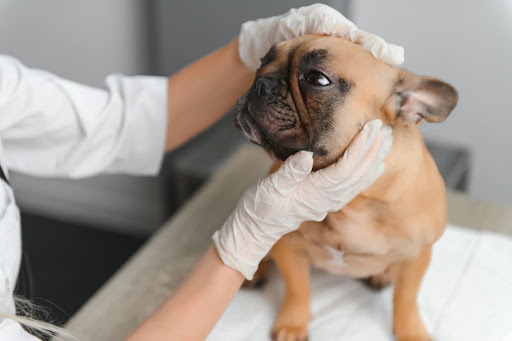
The veterinarian evaluates abdominal discomfort, hydration, appetite changes, and recent dietary history.
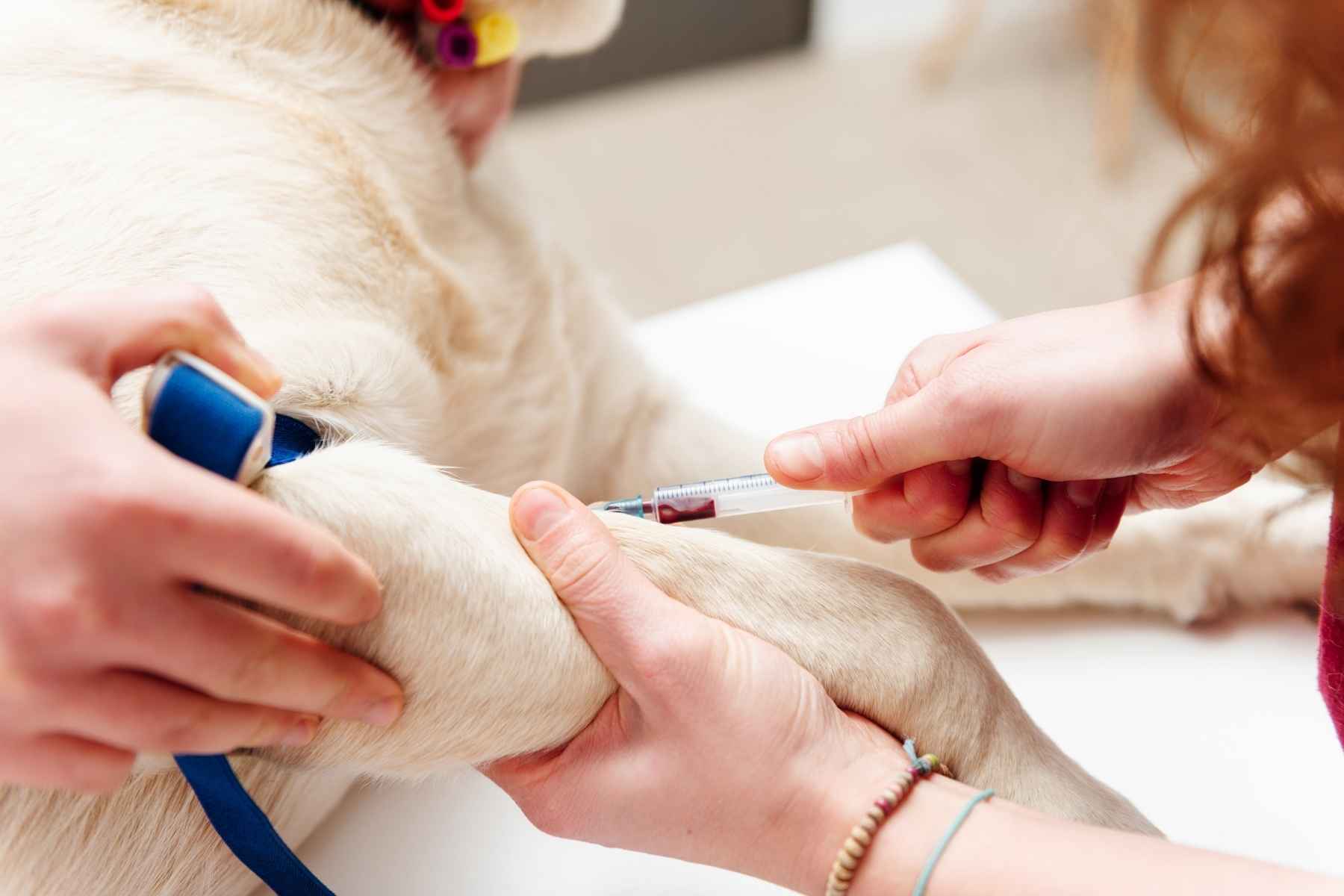
2. Complete Blood Count (CBC)
A CBC measures red blood cells, white blood cells, and platelets. Changes may indicate inflammation or dehydration, although they do not independently confirm pancreatitis.
3. Blood Chemistry Panel
Blood chemistry testing evaluates kidney and liver markers, glucose, proteins, and electrolytes. These results help identify complications and assess overall organ function.
4. Canine Pancreatic Lipase Test (cPL)
The cPL test measures pancreatic-specific lipase in the bloodstream. It is more useful for evaluating pancreatitis than routine amylase and lipase measurements, although results must still be interpreted alongside clinical findings.
5. Abdominal Imaging
Ultrasound can help identify pancreatic inflammation and surrounding tissue changes. X-rays may help rule out other conditions that cause similar symptoms.
Treatment Options for Pancreatitis in Dogs
Treatment depends on disease severity and your dog’s overall condition. Common approaches include:
- Fluid therapy: Intravenous fluids help correct dehydration and maintain electrolyte balance.
- Anti-nausea medication: Medication helps control vomiting and improve comfort.
- Pain management: Appropriate pain relief helps reduce abdominal discomfort.
- Nutritional support: Early reintroduction of appropriate food is generally encouraged once vomiting is controlled. Easily digestible, low-fat meals may be recommended.
- Monitoring: More severe cases may require hospitalization and regular assessment of vital signs and laboratory results.
Never give human medications or change your dog’s diet without veterinary guidance.
Pancreatitis can range from mild digestive inflammation to a serious condition requiring hospitalization. Recognizing early symptoms, understanding the role of blood tests, and seeking timely veterinary attention can help reduce complications and support recovery. If you’re in Henrietta, NY, and looking for a vet near you to evaluate your dog’s digestive health, schedule an appointment with Ark Veterinary Hospital & Urgent Care. Our veterinary team can help assess your dog’s condition and recommend appropriate diagnostic testing and treatment.
FAQs:
Q1. Can pancreatitis in dogs be cured?
Ans: Many dogs recover from acute pancreatitis with appropriate treatment. However, some may experience recurring episodes or develop chronic inflammation requiring ongoing management.
Q2. Which blood test is most useful for diagnosing pancreatitis in dogs?
Ans: The canine pancreatic lipase immunoreactivity (cPLI) test is a useful pancreas-specific blood test. It is interpreted alongside clinical signs, routine blood work, and imaging findings.
Q3. How long does it take a dog to recover from pancreatitis?
Ans: Mild cases may improve within several days, while severe cases can require hospitalization and a longer recovery period.
Q4. Can fatty foods cause pancreatitis in dogs?
Ans: High-fat meals can trigger pancreatitis in susceptible dogs. Avoid giving fatty table scraps and follow a veterinarian-recommended diet.
Q5. Do dogs with pancreatitis need hospitalization?
Ans: Not every case requires hospitalization. However, dogs with severe vomiting, dehydration, significant pain, or systemic complications may need intensive supportive care.
Q6. How does Ark Veterinary Hospital & Urgent Care help diagnose pancreatitis?
Ans: The hospital offers in-house laboratory testing, including CBC and blood chemistry panels, along with digital X-rays and ultrasound. These diagnostic services help evaluate symptoms, identify complications, and guide appropriate treatment recommendations.