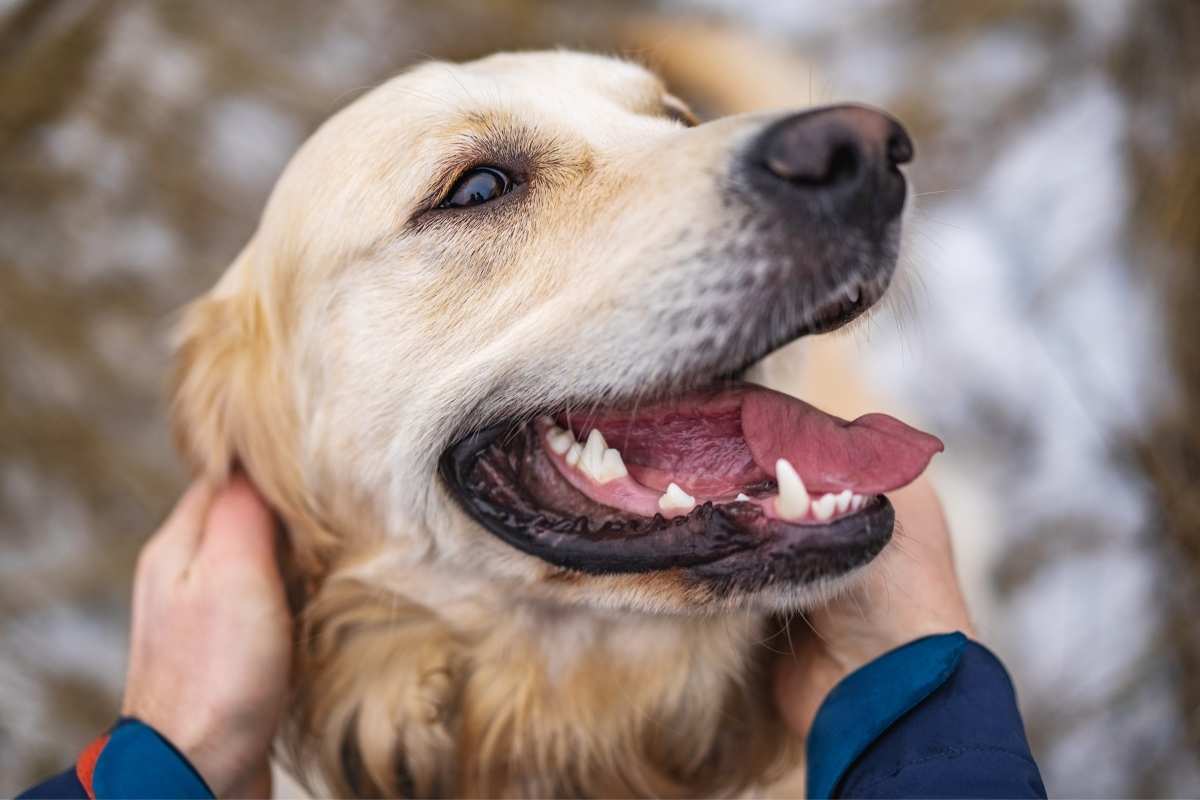

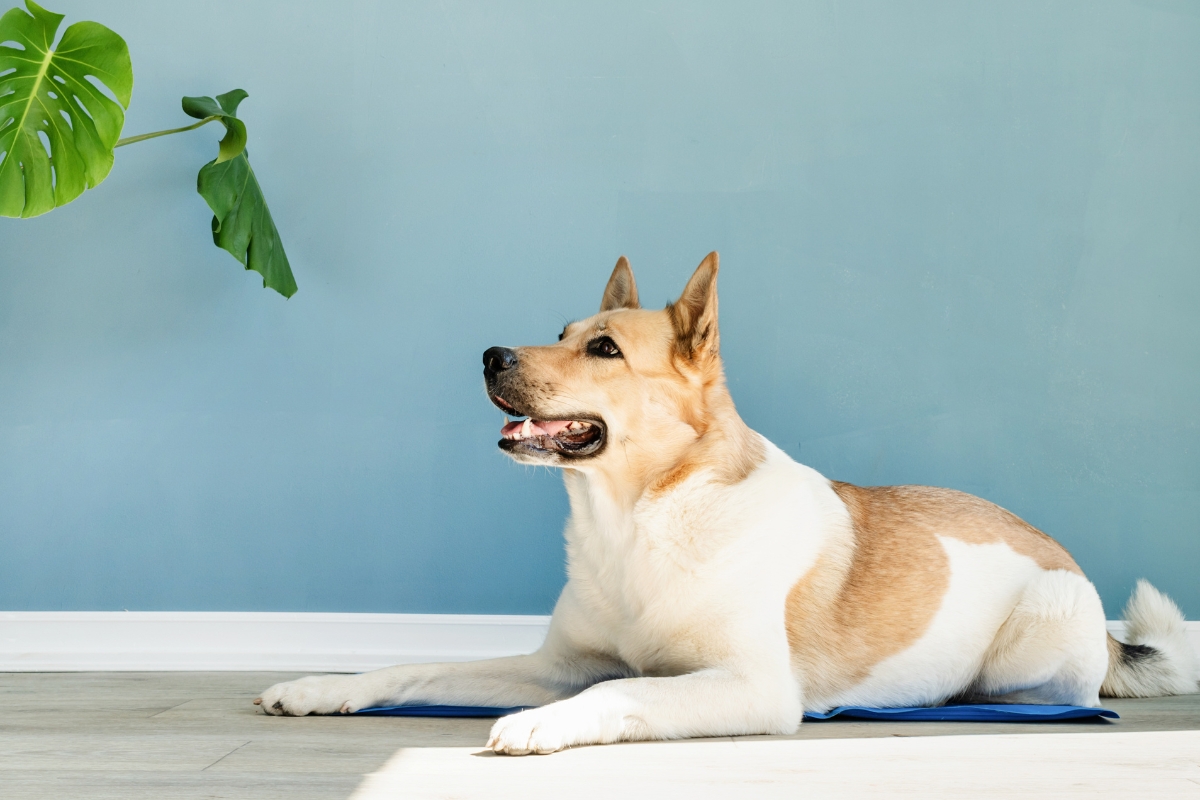
Drooling is a normal behavior for many dogs. Some breeds naturally produce more saliva than others, and it’s common for dogs to drool when they’re excited, anticipating food, or relaxing. However, excessive or sudden drooling can sometimes signal a health issue that requires prompt attention.
As a pet owner, knowing the difference between normal drooling and excessive salivation can help you make informed decisions about your dog’s health. In some cases, excessive drooling may resolve on its own, while in others, it can indicate pain, poisoning, heat-related illness, or another condition that needs immediate veterinary evaluation.
In this guide, we’ll discuss the common causes of excessive drooling in dogs, warning signs to watch for, and when it’s time to seek professional care.
What Is Excessive Drooling?
Excessive drooling, also known as hypersalivation or ptyalism, occurs when your dog produces significantly more saliva than usual or has difficulty swallowing it.
While some dogs naturally drool more than others, a sudden increase in saliva production or persistent drooling should never be ignored, especially if it occurs alongside other symptoms.
When Is Drooling Considered Normal?
Not all drooling is a cause for concern. Dogs may drool due to:
- Excitement
- Anticipation of food
- Car rides
- Mild anxiety
- Sleeping
- Certain breeds with loose lips, such as Saint Bernards, Bloodhounds, and Mastiffs
If your dog’s drooling is consistent with their normal behavior and they appear healthy otherwise, it is generally not a cause for concern.
Common Causes of Excessive Drooling
Dental Disease
One of the most common causes of excessive drooling is dental disease.
Problems such as:
- Gum disease
- Tooth fractures
- Dental abscesses
- Tartar buildup
- Oral infections
can make swallowing painful and stimulate increased saliva production.
Additional signs may include:
- Bad breath
- Difficulty eating
- Pawing at the mouth
- Bleeding gums
Routine dental care helps reduce the risk of these issues.
Foreign Objects in the Mouth
Dogs are naturally curious and often chew on inappropriate objects.
Items that can become lodged in the mouth include:
- Sticks
- Bones
- Toys
- Pieces of fabric
- Plant material
A foreign object can irritate the mouth or throat, causing excessive drooling, gagging, or difficulty swallowing.
Oral Injuries
Cuts, burns, or injuries inside the mouth may also increase saliva production.
These injuries can result from:
- Chewing sharp objects
- Electrical cord burns
- Eating hot food
- Trauma
If your dog suddenly begins drooling after chewing something unusual, an oral examination is recommended.
Nausea
Dogs experiencing nausea often drool excessively before vomiting.
Common causes include:
- Motion sickness
- Digestive upset
- Medication side effects
- Liver disease
- Kidney disease
- Pancreatitis
Drooling accompanied by vomiting, diarrhea, or loss of appetite should be evaluated by a veterinarian.
Toxic Substances
Exposure to certain toxins can rapidly increase saliva production.
Potential toxins include:
- Household cleaners
- Toxic plants
- Human medications
- Chocolate
- Xylitol
- Certain mushrooms
- Insecticides
Additional signs may include:
- Vomiting
- Tremors
- Weakness
- Collapse
- Seizures
Prompt veterinary attention is critical if toxin exposure is suspected.
Heat-Related Illness
Excessive drooling is often an early warning sign of heat-related illness.
Other symptoms include:
- Heavy panting
- Bright red gums
- Weakness
- Rapid heart rate
- Vomiting
- Collapse
Move your dog to a cool environment and contact a veterinarian immediately if these signs develop.
Oral Tumors
Growths within the mouth may interfere with swallowing and increase drooling.
Additional signs include:
- Bleeding from the mouth
- Difficulty eating
- Weight loss
- Bad breath
- Swelling
Early diagnosis improves treatment options.
Difficulty Swallowing
Conditions affecting the throat or esophagus may prevent saliva from being swallowed normally.
Possible causes include:
- Esophageal disorders
- Inflammation
- Neurological conditions
- Foreign objects
These cases often require diagnostic testing.
Other Medical Conditions
Excessive drooling may also occur with:
- Allergic reactions
- Infections
- Neurological disorders
- Seizure activity
- Pain affecting the mouth or jaw
Because the causes vary widely, persistent drooling always deserves attention.
Signs That Require Prompt Veterinary Evaluation
Seek veterinary care promptly if excessive drooling occurs alongside:
- Difficulty breathing
- Trouble swallowing
- Vomiting
- Diarrhea
- Bleeding from the mouth
- Facial swelling
- Pawing at the mouth
- Sudden behavioral changes
- Weakness
- Collapse
- Tremors
- Loss of appetite
These symptoms may indicate a more serious underlying condition.
How Veterinarians Diagnose Excessive Drooling
Your veterinarian will begin with a complete physical examination, paying close attention to the mouth, teeth, throat, and overall health.
Depending on your dog’s symptoms, diagnostic tests may include:
- Oral examination
- Dental evaluation
- Blood tests
- Urinalysis
- X-rays
- Ultrasound
- Advanced imaging
- Toxicology testing when appropriate
Accurate diagnosis is essential because treatment depends on the underlying cause.
Treatment Options
Treatment varies depending on the diagnosis.
Possible treatments include:
- Dental cleaning or tooth extraction
- Removal of foreign objects
- Medications for nausea
- Pain management
- Fluid therapy
- Treatment for toxin exposure
- Surgery for oral masses
- Management of underlying medical conditions
Early treatment often leads to better outcomes and greater comfort for your dog.
What You Can Do at Home
While waiting for veterinary guidance, you can:
- Keep your dog calm.
- Offer fresh water unless swallowing is difficult.
- Remove access to possible toxins.
- Observe additional symptoms.
- Avoid giving human medications.
- Do not attempt to remove deeply lodged objects yourself.
If your dog appears uncomfortable or symptoms worsen, seek professional evaluation without delay.
Can Excessive Drooling Be Prevented?
Although not every cause can be prevented, you can reduce the risk by:
- Scheduling routine wellness and dental examinations
- Providing safe chew toys
- Keeping toxic substances out of reach
- Supervising outdoor activities
- Preventing overheating during warm weather
- Maintaining regular preventive healthcare
Good preventive care supports your dog’s overall health and may reduce the likelihood of conditions that contribute to excessive drooling.
When Should You Seek Urgent Veterinary Care?
Excessive drooling should never be dismissed if it develops suddenly or is accompanied by other concerning symptoms. Dogs that appear painful, have difficulty swallowing, or show signs of poisoning or heat-related illness should be evaluated promptly.
If you’re unsure whether your dog’s symptoms require urgent pet care, it’s always safer to speak with your veterinary team for guidance. Early assessment can help identify serious conditions before they become more difficult to treat.
While occasional drooling is completely normal for many dogs, excessive or sudden drooling can be an important warning sign of illness, injury, or toxin exposure. Paying attention to changes in your dog’s behavior and seeking timely veterinary evaluation can make a significant difference in their recovery.
If you’re in Henrietta, NY or serving nearby communities including Rochester, West Henrietta, Webster, Fairport, Pittsford, and the surrounding area, and your dog is experiencing excessive drooling or other concerning symptoms, contact Ark Veterinary Hospital & Urgent Care. For questions or prompt assistance, call us at 585-487-8700 to discuss your pet’s condition and determine the next best steps for their care.
FAQs
Q1. Is excessive drooling always a sign that something is wrong?
Ans: No. Some dogs naturally drool more than others, especially certain breeds. However, sudden or excessive drooling that is unusual for your dog should be evaluated by a veterinarian.
Q2. Can dental disease cause excessive drooling?
Ans: Yes. Dental infections, broken teeth, gum disease, and oral pain are common causes of increased drooling in dogs.
Q3. What should I do if my dog suddenly starts drooling heavily?
Ans: Observe your dog for other symptoms such as vomiting, difficulty swallowing, facial swelling, or lethargy. Contact your veterinarian promptly for guidance and an examination.
Q4. Can poisoning cause excessive drooling in dogs?
Ans: Yes. Many toxic substances, including certain plants, household chemicals, medications, and foods, can cause excessive drooling along with other serious symptoms.
Q5. Is drooling common after chewing on a toy or bone?
Ans: Mild drooling may occur temporarily while chewing. However, persistent drooling afterward could indicate an injury or a foreign object lodged in the mouth.
Q6. When should I seek veterinary care for excessive drooling?
Ans: Seek prompt veterinary care if your dog has excessive drooling along with difficulty breathing, trouble swallowing, vomiting, weakness, facial swelling, collapse, or signs of severe discomfort.