
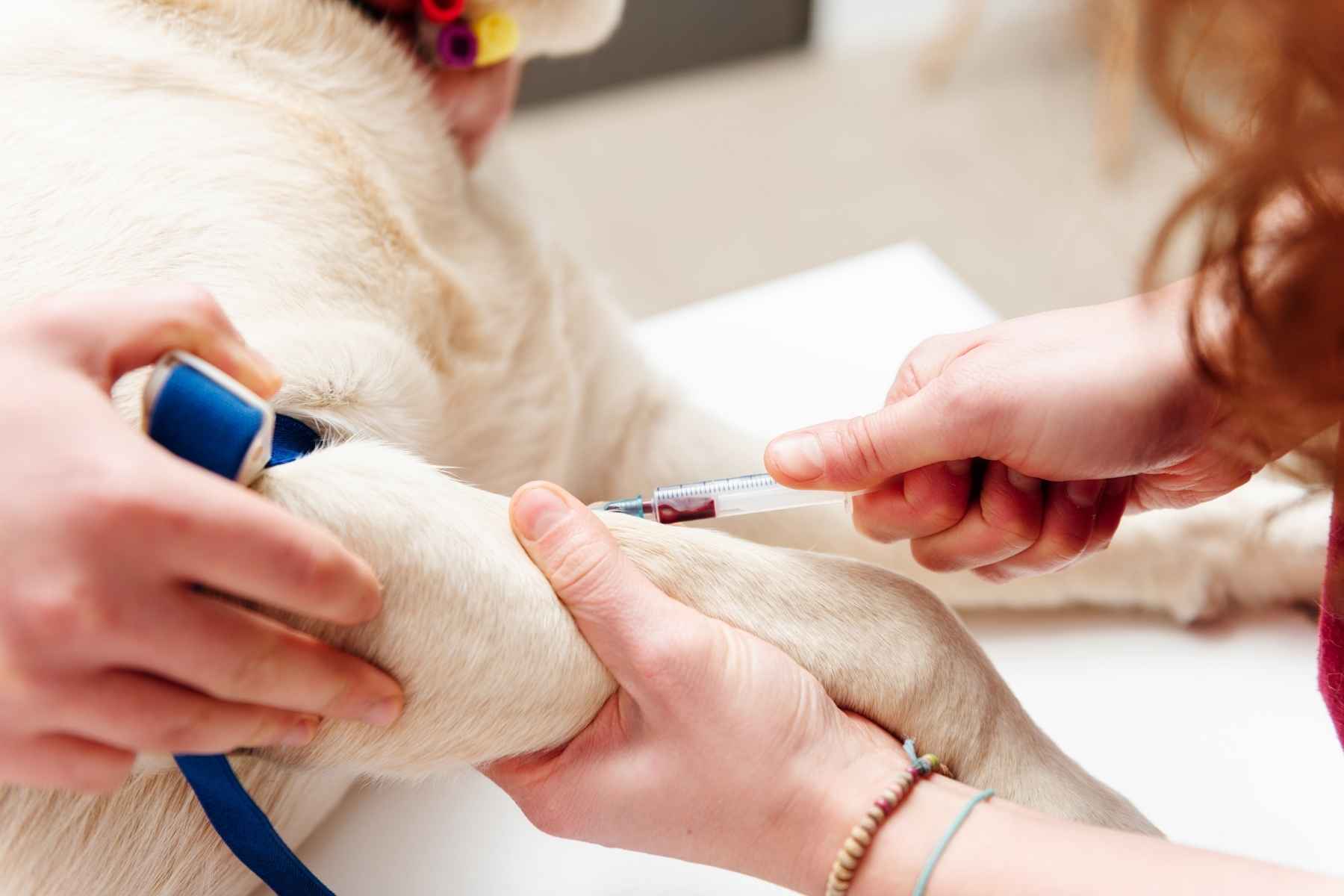
Blood tests are one of the most valuable tools veterinarians use to evaluate your dog’s overall health. Whether your pet is visiting the vet for a routine wellness exam, illness, surgery preparation, or ongoing treatment, bloodwork can provide important insights into what is happening inside the body.
At Ark Veterinary Hospital & Urgent Care, many pet owners want to better understand their dog’s blood test results instead of feeling overwhelmed by unfamiliar medical abbreviations and numbers. Learning the basics can help you feel more informed and confident when discussing your dog’s health with your veterinarian.
For pet owners in Henrietta, NY, understanding common blood test markers can make it easier to recognize potential health concerns early and support better long-term care for dogs of all ages and breeds.
Why Blood Tests Are Important for Dogs
Blood tests help veterinarians detect hidden health problems before symptoms become severe. They are commonly used to:
- Evaluate organ function
- Check for infections or inflammation
- Monitor chronic illnesses
- Assess hydration levels
- Detect anemia
- Screen for metabolic conditions
- Ensure safety before anesthesia or surgery
Even healthy dogs benefit from routine bloodwork because some conditions develop gradually without obvious warning signs.
Understanding the Two Main Types of Blood Tests
Most canine blood panels include two primary components: a Complete Blood Count (CBC) and a Blood Chemistry Panel.
Complete Blood Count (CBC)
A CBC evaluates the different types of cells circulating in your dog’s blood.
Red Blood Cells (RBC)
Red blood cells carry oxygen throughout the body. Low RBC levels may indicate anemia, blood loss, or certain chronic illnesses. High levels can sometimes suggest dehydration.
White Blood Cells (WBC)
White blood cells help fight infection and inflammation. Elevated levels may signal infection, stress, inflammation, or immune system disorders.
Platelets
Platelets are responsible for blood clotting. Low platelet counts can increase the risk of bleeding and may indicate immune-related conditions, infections, or bone marrow disorders.
What the Blood Chemistry Panel Shows
A chemistry panel evaluates organ function and important body processes.
Liver Values
Markers such as ALT, ALP, and AST help veterinarians assess liver health. Elevated levels may suggest liver disease, medication reactions, infections, or inflammation.
Kidney Values
BUN and creatinine levels provide information about kidney function. Abnormal values can indicate dehydration, kidney disease, or urinary tract problems.
Blood Glucose
Blood sugar levels help screen for conditions like diabetes. High glucose levels may occur with diabetes or stress, while low levels can signal serious medical concerns.
Protein Levels
Proteins such as albumin and globulin help evaluate hydration, nutrition, liver function, and immune health.
Electrolytes
Electrolytes like sodium, potassium, and chloride are essential for proper muscle, nerve, and heart function. Imbalances may occur with dehydration, vomiting, kidney disease, or hormonal disorders.
Why “Normal” Results Can Vary
Pet owners are often concerned when they see numbers slightly outside the normal range. However, blood test interpretation is more complex than simply labeling values as “good” or “bad.”
Factors that may influence results include:
- Age
- Breed
- Stress levels
- Medications
- Hydration status
- Recent meals
- Exercise
Veterinarians evaluate bloodwork together with your dog’s symptoms, physical exam findings, and medical history before making a diagnosis.
Common Conditions Blood Tests Can Help Detect
Routine blood testing can assist in identifying many health conditions early, including:
- Kidney disease
- Liver disease
- Diabetes
- Infections
- Thyroid disorders
- Anemia
- Pancreatitis
- Hormonal imbalances
Early detection often allows for more effective treatment and better long-term outcomes.
When Dogs Typically Need Blood Tests
Veterinarians may recommend bloodwork during:
- Annual wellness visits
- Senior pet exams
- Pre-surgical screenings
- Emergency visits
- Chronic disease monitoring
- Unexplained weight loss
- Vomiting or diarrhea
- Increased thirst or urination
Routine monitoring becomes especially important as dogs age because many diseases become more common in senior pets.
Questions to Ask Your Veterinarian About Bloodwork
If your dog has blood tests performed, consider asking:
- Which values are outside the normal range?
- Are the changes mild or significant?
- Could stress or medications affect the results?
- Is additional testing needed?
- How often should bloodwork be repeated?
Open communication can help pet owners feel more comfortable and informed about their dog’s care plan.
Supporting Your Dog’s Health After Blood Testing
Blood test results are only one part of a complete health evaluation. Maintaining a healthy diet, regular exercise, routine wellness visits, parasite prevention, and early medical attention all contribute to better long-term health.
In some cases, your veterinarian may recommend additional diagnostics, dietary changes, medications, or follow-up testing based on the findings. Consistent monitoring can help detect changes early before more serious complications develop.
Pet owners in Henrietta, NY who want guidance from a vet near you on understanding blood test results can benefit from professional support tailored to their dog’s individual health needs. At Ark Veterinary Hospital & Urgent Care, our team helps pet families better understand diagnostic testing and preventive care for dogs at every life stage.
Frequently Asked Questions
Q1. Why would my dog need a blood test during a routine checkup?
Ans. Blood tests help veterinarians detect hidden health conditions before symptoms become obvious. Even healthy dogs can develop early-stage kidney disease, diabetes, liver problems, or infections without visible warning signs. Routine bloodwork allows veterinarians to monitor your dog’s internal health and establish normal baseline values for future comparisons.
Q2. Should I worry if one blood test value is slightly abnormal?
Ans. Not always. Slightly elevated or decreased values may occur due to stress, mild dehydration, medications, or temporary changes in the body. Veterinarians interpret bloodwork by reviewing the full panel alongside your dog’s symptoms, physical exam findings, age, and medical history. Your vet can explain whether additional testing or monitoring is necessary.
Q3. How often should dogs have bloodwork done?
Ans. Most healthy adult dogs benefit from routine blood testing once a year during wellness exams. Senior dogs or pets with chronic medical conditions may require bloodwork every six months or more frequently, depending on their health status. Regular testing helps veterinarians track changes early and monitor treatment effectiveness.
Q4. Can blood tests detect cancer in dogs?
Ans. Blood tests alone usually cannot confirm cancer, but they may reveal abnormalities that suggest additional testing is needed. Changes in white blood cell counts, protein levels, or organ function may indicate inflammation, infection, or more serious underlying conditions. Imaging studies or biopsies are often needed for a definitive diagnosis.
Q5. Does my dog need to fast before bloodwork?
Ans. In many cases, veterinarians recommend fasting for 8 to 12 hours before certain blood tests, especially chemistry panels that evaluate glucose and fat levels. Food can sometimes affect test accuracy. However, water is generally allowed unless your veterinarian gives different instructions.
Q6. Are blood tests safe for older dogs?
Ans. Yes. Blood tests are considered very safe and are especially important for senior dogs because aging pets are more likely to develop chronic illnesses. Routine bloodwork helps veterinarians identify age-related health problems early, allowing for faster treatment and improved quality of life.