
Watching your beloved companion undergo surgery naturally causes concern. As a responsible pet owner, understanding the recovery process helps you provide optimal care during this vulnerable time. Knowing how long it takes for a female dog to recover from being spayed prepares you for the journey ahead.
Spaying represents one of the most common veterinary procedures performed worldwide. While routine for veterinarians, this surgery requires dedicated aftercare from you. Your dog depends on your attention and patience throughout her healing.
This comprehensive guide walks you through recovery timelines, warning signs, and essential care tips to ensure your furry friend bounces back quickly and safely.
Understanding the Spay Procedure
Spaying, or ovariohysterectomy, involves surgically removing a female dog’s ovaries and uterus. This procedure permanently prevents pregnancy and eliminates heat cycles.
Veterinarians perform this surgery under general anesthesia. The operation typically takes 20-90 minutes, depending on your dog’s size and overall health.
Modern surgical techniques have significantly improved recovery outcomes. Most healthy dogs experience smooth, uncomplicated healing when owners follow post-operative instructions carefully.
Complete Recovery Timeline for Spayed Dogs:
Days 1-3: Immediate Post-Surgery Period
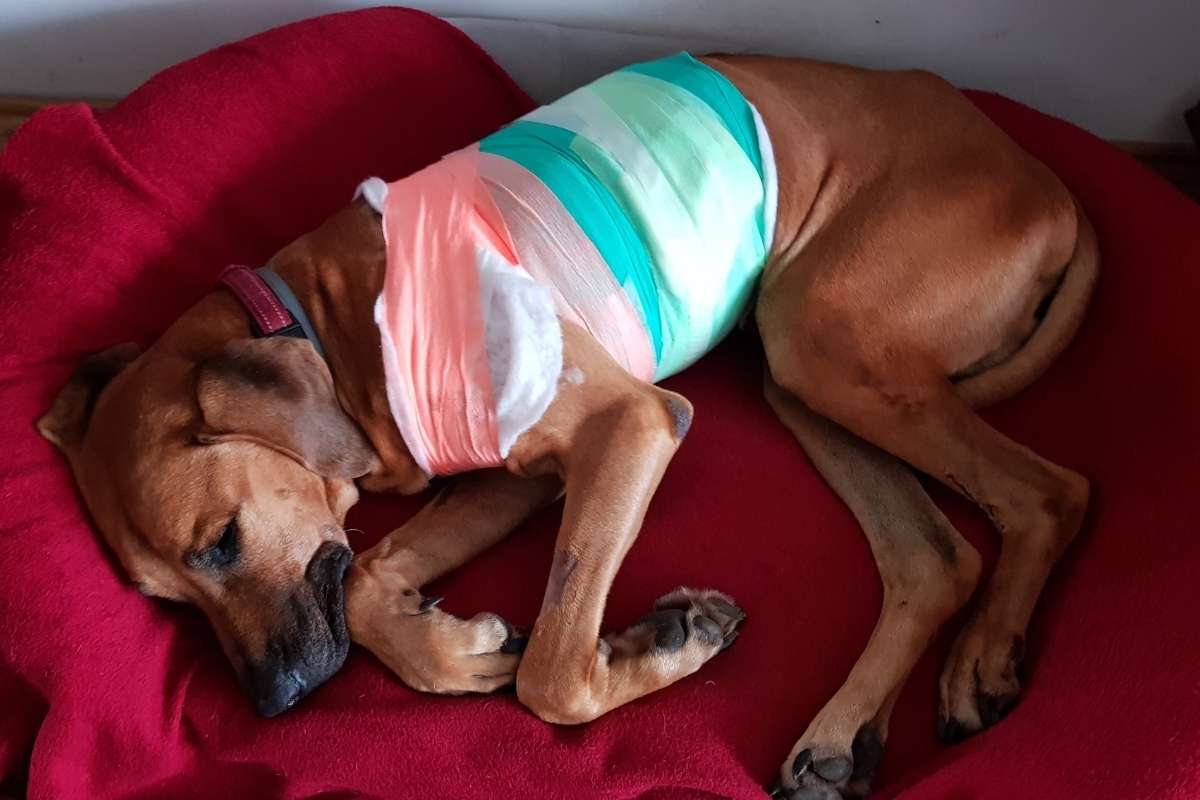
The first 72 hours require the closest monitoring. Your dog will likely feel groggy and disoriented from anesthesia effects.
Expect these normal behaviors:
- Sleepiness and lethargy
- Reduced appetite
- Mild whimpering or discomfort
- Unsteady walking
Keep her confined to a quiet, comfortable space. Limit movement to brief bathroom breaks only. Offer small amounts of water first, then gradually reintroduce food.
Days 4-7: Early Healing Phase
By day four, most dogs show improved energy levels. However, internal healing continues actively during this period.
The incision site may appear slightly swollen or pink. This indicates a normal inflammatory response. Continue strict rest restrictions despite her increasing energy.
Resist the temptation to allow normal activities. Internal sutures remain vulnerable, and excessive movement risks complications.
Days 7-14: Progressive Recovery
Around day ten, many veterinarians schedule follow-up appointments. They’ll assess incision healing and potentially remove external sutures.
Your dog likely feels significantly better now. She may attempt jumping, running, or playing. Maintain exercise restrictions until your veterinarian provides clearance.
The team at Ark Veterinary Hospital & Urgent Care emphasizes that patience during this phase prevents costly complications.
Days 14-30: Full Recovery
Most female dogs achieve complete recovery within two to four weeks. Younger, smaller dogs typically heal faster than older or larger breeds.
By day 14, external healing usually appears complete. However, internal tissues require additional time to strengthen fully.
After veterinary approval, gradually reintroduce normal activities. Start with short leash walks before allowing off-leash play.
Essential Post-Operative Care Tips
Proper aftercare dramatically influences recovery success. Follow these expert recommendations:
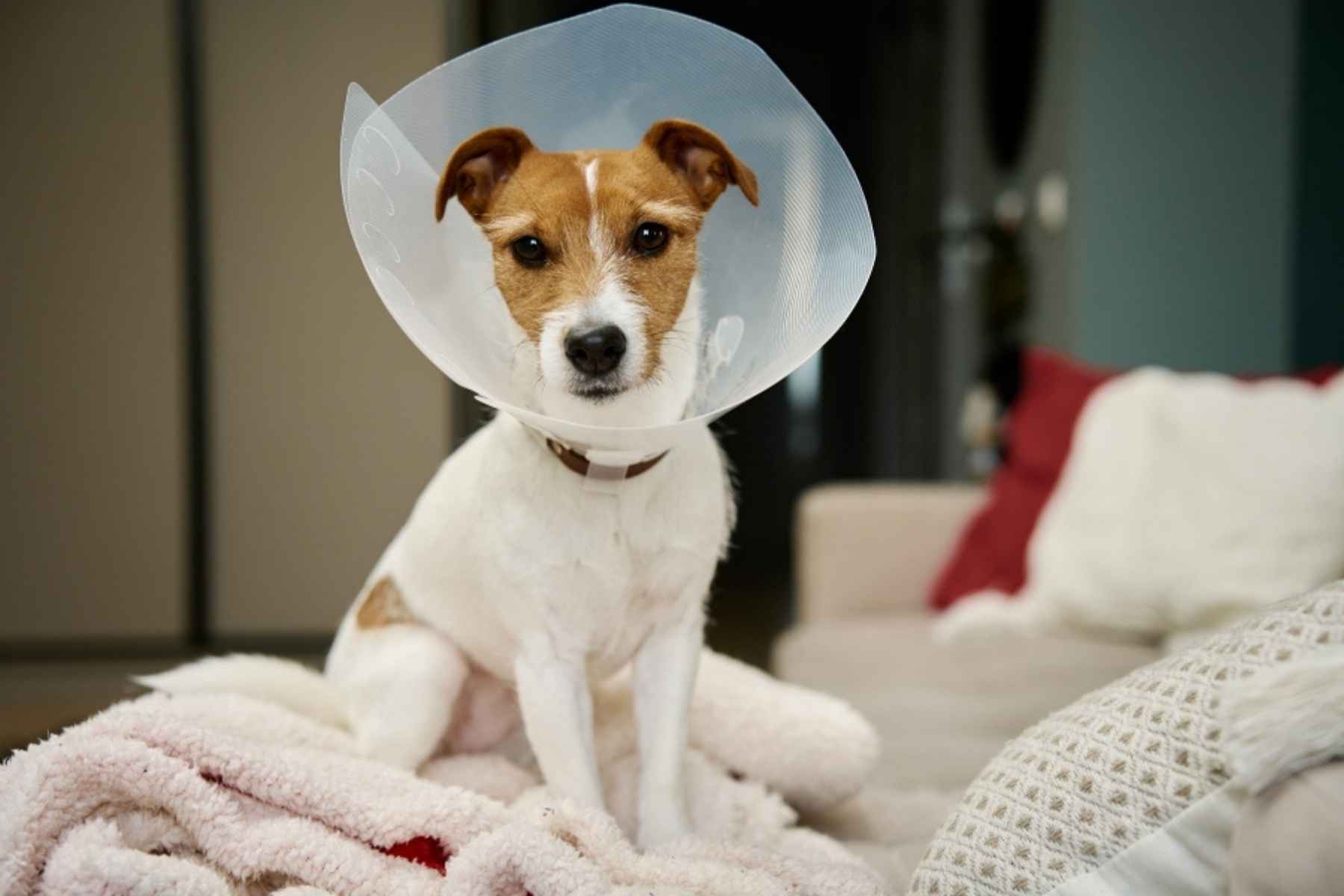
Prevent Licking: Use an Elizabethan collar (cone) consistently. Licking introduces bacteria and disrupts healing tissue.
Restrict Activity: Confine your dog to a crate or small room. Eliminate jumping onto furniture or climbing stairs.
Monitor the Incision: Check daily for unusual swelling, discharge, or opening. Slight redness is normal; oozing is not.
Administer Medications: Give prescribed pain medications and antibiotics exactly as directed. Never skip doses.
Maintain Cleanliness: Keep bedding clean and dry. Avoid bathing until your veterinarian approves.
For specialized post-operative guidance, professionals experienced in pet surgery henrietta can provide personalized recommendations for your dog’s specific needs.
Warning Signs Requiring Immediate Veterinary Attention
While complications remain rare, recognizing problems early ensures prompt treatment. Contact your veterinarian immediately if you observe:
- Excessive bleeding or discharge from the incision
- Incision opening or visible internal tissue
- Severe swelling around the surgical site
- Vomiting lasting more than 24 hours
- Complete refusal to eat after 48 hours
- Extreme lethargy or unresponsiveness
- Fever or signs of infection
Trust your instincts. You know your dog best. When something seems wrong, seeking professional evaluation provides peace of mind.
Frequently Asked Questions:
Q1: How long should my dog wear the cone after spaying?
Ans: Most veterinarians recommend wearing the cone for 10-14 days continuously. This prevents licking until the incision heals completely. Remove it only during supervised feeding if necessary.
Q2: When can my spayed dog climb stairs again?
Ans: Avoid stairs for at least 10-14 days post-surgery. Stair climbing strains abdominal muscles and risks incision complications. Carry small dogs or use baby gates to restrict access.
Q3: Is it normal for my dog to shiver after being spayed?
Ans: Mild shivering during the first 24-48 hours is normal. Anesthesia affects body temperature regulation temporarily. Provide warm blankets and monitor closely. Persistent shivering warrants veterinary consultation.
Q4: Can my dog sleep in my bed during spay recovery?
Ans: Veterinarians recommend against sleeping in bed sleeping initially. Jumping poses significant risks to healing tissue. Keep her in a floor-level crate or confined area for at least two weeks.
Q5: When will my dog’s appetite return after spaying?
Ans: Most dogs regain normal appetite within 24-48 hours. Offer bland food initially, then transition to a regular diet. Contact your veterinarian if appetite doesn’t return within three days.
Q6: How do I keep my energetic dog calm during recovery?
Ans: Use puzzle feeders for mental stimulation without physical exertion. Provide frozen treats and gentle massage. Short, calm interactions satisfy social needs while maintaining necessary rest.