
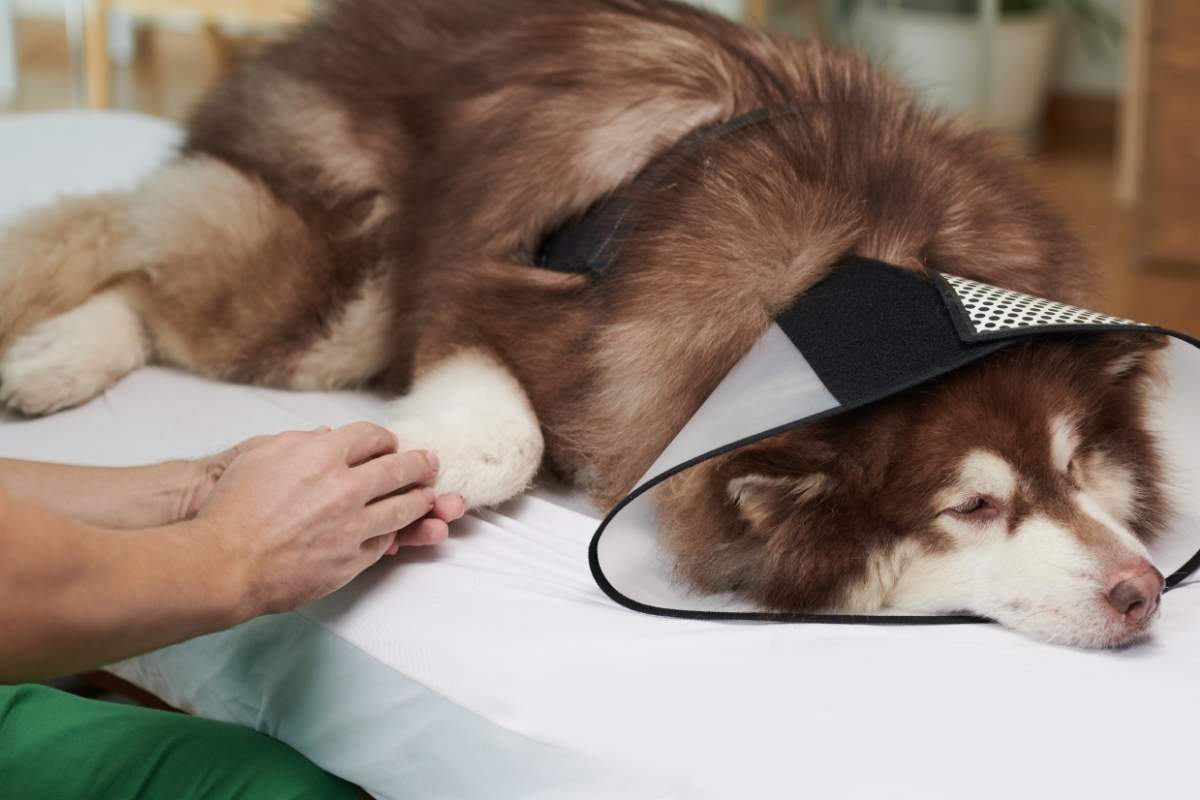
Neutering is one of the most common and beneficial procedures for dogs, helping prevent unwanted litters and reducing behavioral and health issues such as roaming, aggression, and certain cancers. However, after the procedure, post-operative rest becomes the key to your dog’s smooth recovery.
Understanding how long a dog needs to rest after being neutered helps prevent complications, promotes faster healing, and ensures your dog returns to its playful, healthy self in no time.
At Ark Veterinary Hospital & Urgent Care in Henrietta, NY, our compassionate veterinary team works closely with pet owners to make post-surgical recovery simple, safe, and stress-free for both pets and their families.
Why Rest Is Critical After Neutering
Neutering (or castration) involves the surgical removal of the testes under general anesthesia. While it’s a routine procedure, the healing process is still delicate. Even if your dog seems energetic or “back to normal” shortly afterward, the internal and external tissues need time to repair.
Here’s why rest matters so much:
- Surgical trauma: Though small, the incision and internal sutures must heal properly to prevent reopening or infection.
- Anesthesia effects: Dogs can remain drowsy, disoriented, or unsteady for 12–24 hours after surgery. Rest reduces the risk of falls or injuries during this period.
- Inflammation and swelling: Physical activity can increase pressure around the surgical site, leading to swelling or bleeding.
- Immune response: Rest allows your dog’s body to focus energy on healing, not physical exertion.
Providing a calm, controlled environment significantly reduces complications such as infection or delayed wound healing.
Typical Rest and Recovery Timeline
Most veterinarians recommend 7–10 days of restricted activity after neutering, but this can vary depending on your dog’s age, breed, and overall health. Below is a general recovery guide:
- First 24–48 hours: Keep your dog calm and indoors. Expect mild grogginess, a reduced appetite, and limited movement. Offer water and small meals. Avoid stairs and rough surfaces.
- Days 3–5: Your dog may start regaining energy, but it’s important to keep activity minimal. Allow short, controlled leash walks only for bathroom breaks. No running, jumping, or playtime yet.
- Days 6–10: If the incision looks clean and there’s no redness or discharge, you can begin slowly reintroducing light activity. Continue monitoring for any licking or irritation.
- After 10 days: Many dogs are ready to resume normal activity, provided your veterinarian confirms the incision has healed completely.
Remember — each pet heals at a different rate. Always follow your vet’s post-op recommendations, especially if your dog is a puppy, senior, or high-energy breed.
How to Support a Smooth Recovery
Successful healing after neutering relies on consistent care and close observation. Here are some expert-approved recovery tips:
1. Create a Restful Environment
Designate a quiet, comfortable space away from household noise and other pets. Use a soft bed to cushion the incision area and prevent pressure sores.
2. Limit Physical Activity
Even a short burst of excitement can cause sutures to stretch or reopen. Use a crate or baby gate to manage movement and avoid jumping on furniture.
3. Prevent Licking or Chewing
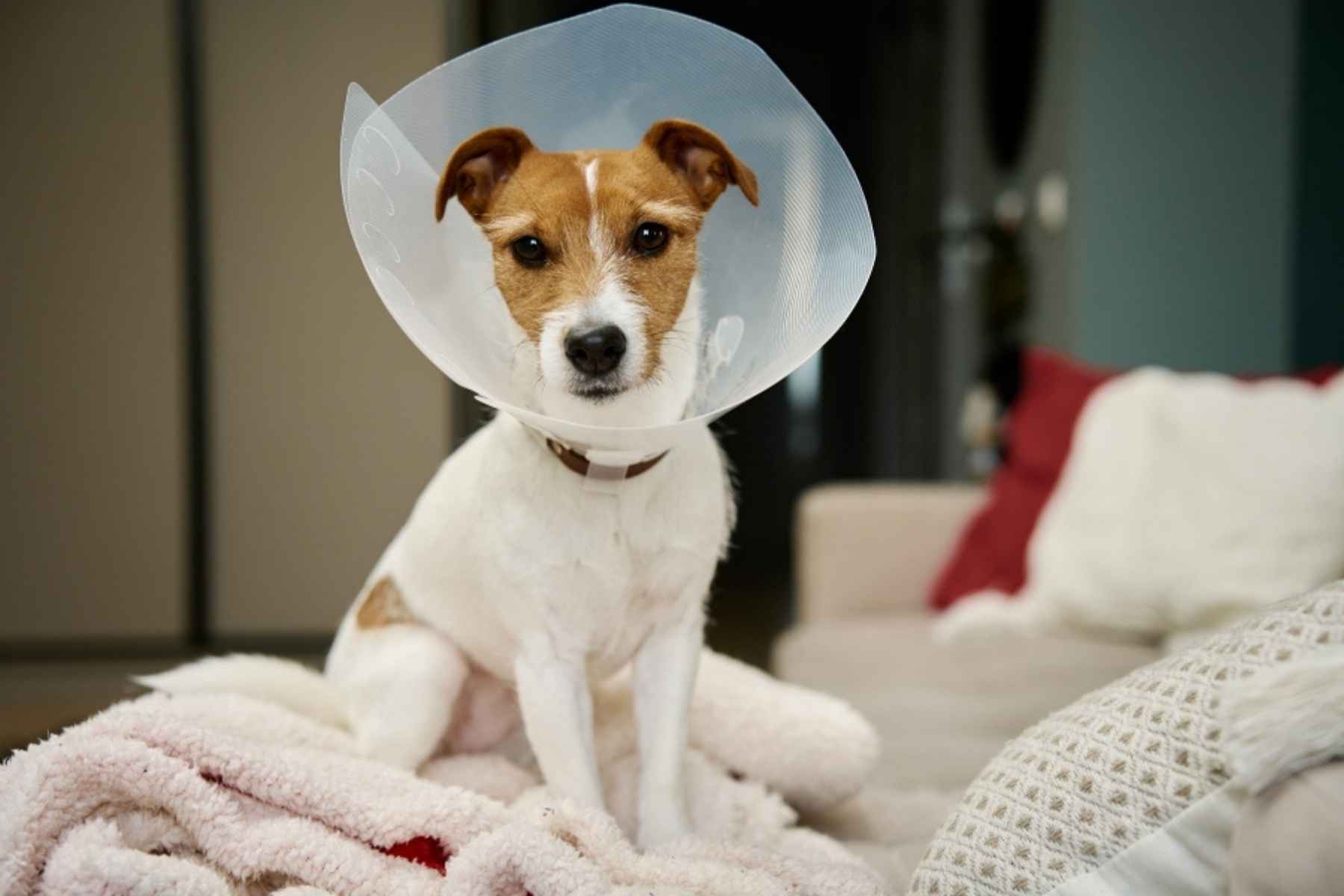
Licking introduces bacteria and delays healing. An Elizabethan collar (cone) or inflatable recovery collar helps protect the incision area effectively.
4. Monitor the Incision Daily
Check the site twice a day. A small amount of redness or swelling is normal, but contact your vet immediately if you notice bleeding, pus, or a foul odor.
5. Provide Balanced Nutrition
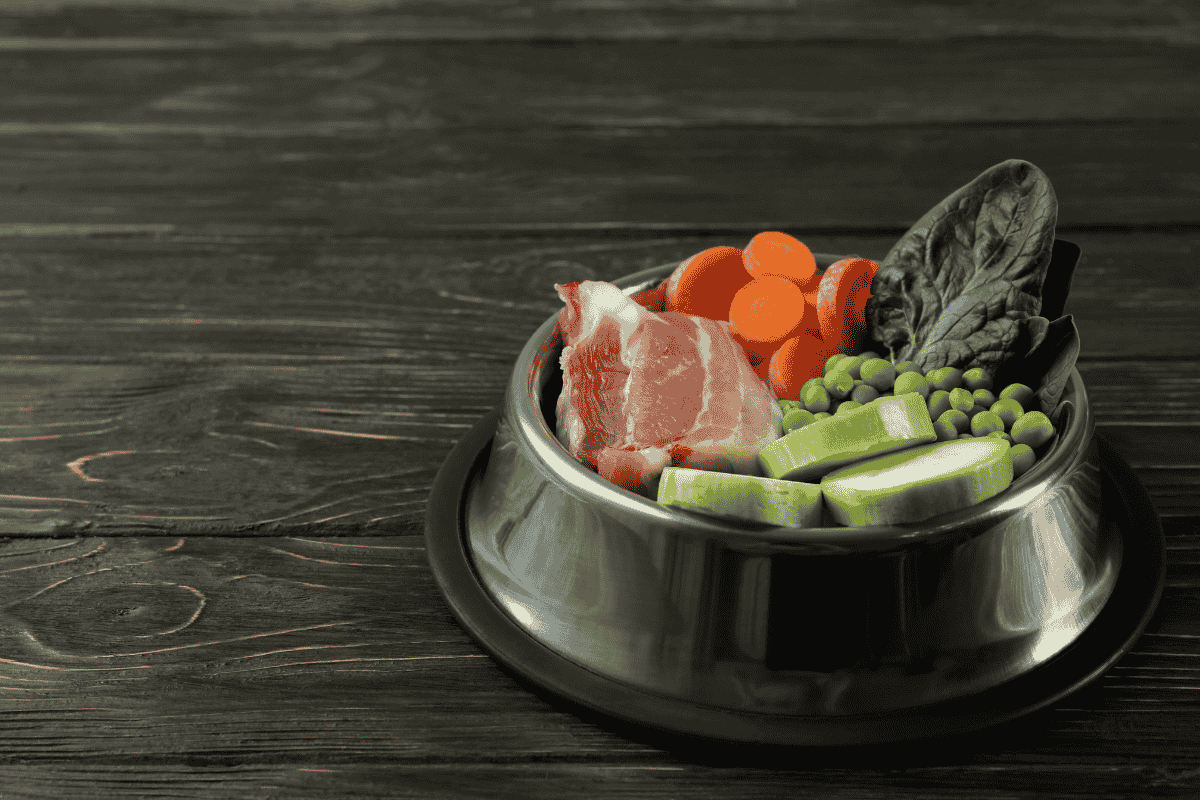
Your dog may eat less for a day or two. Offer easily digestible food and fresh water. Avoid giving rich treats or human food during recovery.
6. Follow Medication Instructions
If your veterinarian prescribes pain relief or antibiotics, give them as directed. Skipping doses or stopping early can slow healing.
7. Be Patient and Gentle
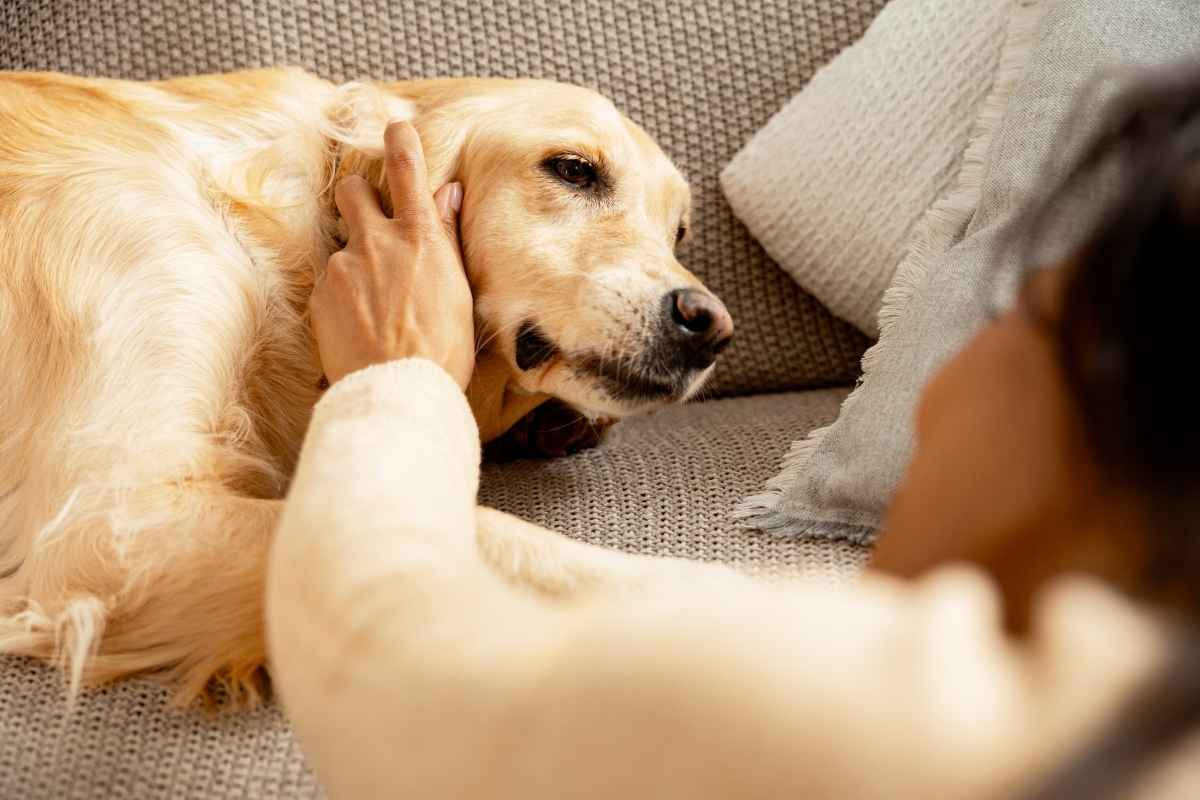
Healing takes time. Provide reassurance through calm interactions and gentle affection — avoid overstimulation.
When to Call Your Veterinarian
While most dogs recover without complications, it’s important to watch for warning signs that require immediate veterinary attention:
- Persistent lethargy or vomiting beyond 48 hours
- Loss of appetite lasting more than a day
- Bleeding, oozing, or excessive redness at the incision
- Unusual swelling or a strong odor
- Constant licking or biting at the stitches
If you notice any of these symptoms, contact your veterinarian right away for evaluation.
Neutering is a safe and routine procedure, but rest is the cornerstone of recovery. By giving your dog time to heal, monitoring their incision closely, and maintaining a calm environment, you’re setting the foundation for long-term health and happiness.
If your pet requires specialized surgical care, the team at Ark Veterinary Hospital & Urgent Care in Henrietta, NY, offers advanced procedures with professional, attentive support. If you ever have questions about your dog’s healing process, we’re just a call away.
FAQs:
Q1. Can my dog sleep normally after neutering?
Ans. Yes. Extra rest and sleep help the healing process. Your dog may be groggy for a day or two, which is completely normal.
Q2. When can my dog go outside again?
Ans. Short leash walks for potty breaks are fine after 24 hours, but avoid running, playing, or dog parks until your vet confirms full recovery.
Q3. How can I tell if my dog is doing too much activity?
Ans. If your dog’s incision becomes swollen, red, or starts bleeding, it’s a sign they’re overexerting. Reduce movement immediately and consult your vet.
Q4. Do puppies recover faster than adult dogs?
Ans. Puppies often bounce back quickly but also tend to overexert themselves. Supervision and limited activity are especially important.
Q5. When can my dog take a bath after being neutered?
Ans. Wait at least 10–14 days, or until the incision is fully healed. Bathing too soon can introduce bacteria and cause infection.
Q6. How can I make my dog’s recovery more comfortable?
Ans. Provide a cozy resting spot, follow all medication instructions, and use a cone to prevent licking. Gentle reassurance helps your dog stay calm during recovery.