
As a loving pet parent, you want your furry companion to live a long, happy, and healthy life. But even the most attentive owners can’t always detect the subtle signs of illness or discomfort that pets may hide. That’s where regular vet checkups come in — they’re not just for when your pet is sick but are vital for keeping them healthy year-round.
This guide explains why consistent veterinary visits are essential, what happens during a routine exam, and how early detection through preventive care can make a world of difference for your pet’s health and happiness.
The Importance of Regular Vet Checkups
Regular veterinary checkups act as your pet’s first line of defense against potential health issues. Pets age faster than humans, and even small changes can signal underlying concerns. Seeing your vet at least once or twice a year ensures that problems are spotted early, often before symptoms become visible.
Routine exams are crucial for:
- Detecting diseases such as diabetes, arthritis, or kidney issues early
- Updating vaccinations and parasite prevention
- Monitoring weight, dental health, and nutrition
- Providing guidance on behavioral or lifestyle adjustments
A proactive approach to health care saves both time and money in the long run while giving your pet a better quality of life.
How Preventive Care Protects Your Pet
Preventive care is more than just vaccines — it’s a comprehensive plan that includes wellness exams, diagnostic screenings, dental checks, and nutrition management. Regular visits allow your vet to establish a baseline health record, so even minor changes can be quickly identified.
Here’s what preventive care can help with:
- Dental health: Detecting tartar buildup and gum disease before they cause pain or tooth loss.
- Weight management: Preventing obesity-related conditions like diabetes or joint problems.
- Parasite control: Identifying fleas, ticks, and intestinal worms early.
- Bloodwork: Catching internal issues that aren’t visible from the outside.
Many veterinarians in Henrietta emphasize that prevention costs significantly less than treatment once an illness has advanced. Regular checkups keep your pet’s well-being in check year-round.
Early Detection Saves Lives
Pets are masters at masking pain. By the time visible symptoms appear, the condition may already be advanced. Regular vet visits help detect subtle warning signs before they become serious.
For instance:
- Kidney disease often shows no signs until 70% of kidney function is lost.
- Dental infections can silently affect internal organs if untreated.
- Lumps or skin changes might be early indicators of tumors.
With diagnostic tools like blood panels, X-rays, and physical exams, vets can uncover these conditions early and begin treatment promptly — improving recovery rates and reducing long-term costs.
What to Expect During a Routine Vet Visit
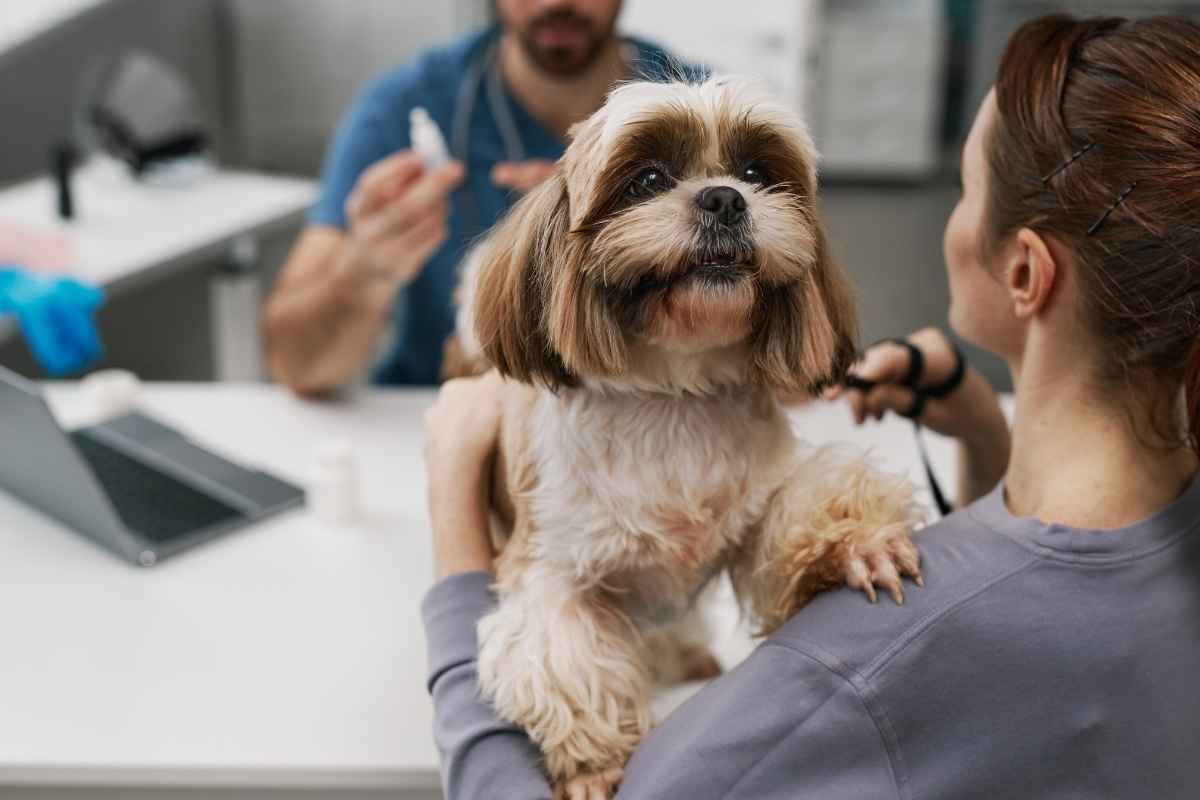
A typical vet exam is more than just a physical checkup. It’s a full assessment of your pet’s health, behavior, and daily habits. During your visit, your vet may:
- Review your pet’s medical history and vaccination record
- Check vital signs (temperature, heart rate, respiration)
- Examine eyes, ears, teeth, and coat condition
- Palpate the abdomen and joints for any abnormalities
- Discuss diet, exercise, and behavior patterns
Some pets may also need routine lab work to check for early signs of organ dysfunction or infections.
If your visit is for pet wellness care in Henrietta, your vet will design a care plan suited to your pet’s breed, age, and lifestyle — ensuring comprehensive wellness support all year round.
Why Senior Pets Need More Frequent Visits
As pets age, their immune systems weaken, and chronic conditions become more common. Senior dogs and cats should see their vet every six months for screenings that include blood tests, joint exams, and weight tracking.
Frequent visits help identify arthritis, thyroid issues, heart disease, or cognitive decline early. Early diagnosis means better management and more comfortable golden years for your furry companion.
Building a Relationship with Your Vet
Developing a long-term relationship with your vet ensures personalized, compassionate care. Over time, your vet gets to know your pet’s normal behavior and can more easily detect subtle changes.
If you’re looking for trusted veterinary care in Henrietta, building this partnership with a reputable clinic helps you stay proactive rather than reactive about your pet’s health.
At Ark Veterinary Hospital & Urgent Care, pet owners receive complete wellness care designed to detect and prevent problems early. Their experienced team offers everything from preventive exams to urgent care, helping pets stay happy, healthy, and thriving year-round.
How to Prepare for Your Pet’s Vet Visit
To get the most from each appointment:
- Bring a list of your pet’s medications and diet details.
- Note any recent behavior or appetite changes.
- Ask questions about nutrition, vaccinations, or age-specific care.
- Keep records of previous treatments or test results.
Preparation allows your vet to make well-informed recommendations tailored to your pet’s needs.
Benefits of Routine Veterinary Care for New Pet Owners
For first-time pet owners, establishing a consistent vet routine builds confidence and helps your pet feel secure. Regular visits also mean:
- Early bonding between your vet and your pet
- Easier vaccination tracking and preventive scheduling
- Reduced risk of emergencies due to unnoticed illnesses
- Peace of mind knowing your pet’s health is being monitored by professionals
The earlier you start these visits, the more effective your pet’s preventive care will be throughout their life.
Routine checkups are an act of love — they protect your pet from preventable illnesses and ensure a longer, healthier life. By staying proactive and scheduling regular visits, you’ll give your pet the best chance at lifelong wellness.
Make vet care a habit, not a reaction, and you’ll enjoy many more happy, healthy years together.
Frequently Asked Questions
Q1: How often should I take my pet to the vet?
A: Most pets should have at least one wellness check per year, while senior pets or those with chronic conditions may need visits every six months.
Q2: Why is preventive care better than treatment?
A: Preventive care helps identify and stop potential issues before they become painful or expensive to treat.
Q3: What should I bring to my pet’s first vet visit?
A: Bring any medical records, vaccination history, and details about diet and behavior.
Q4: Can indoor pets skip checkups?
A: No. Even indoor pets can develop dental issues, obesity, or infections that only a vet can detect early.
Q5: How long does a routine vet visit take?
A: Typically, between 30 to 45 minutes, depending on your pet’s needs and any tests required.
Q6: Is it normal for pets to be nervous during checkups?
A: Yes — vets are trained to make the experience as stress-free as possible. Over time, regular visits help reduce anxiety.
Related Articles