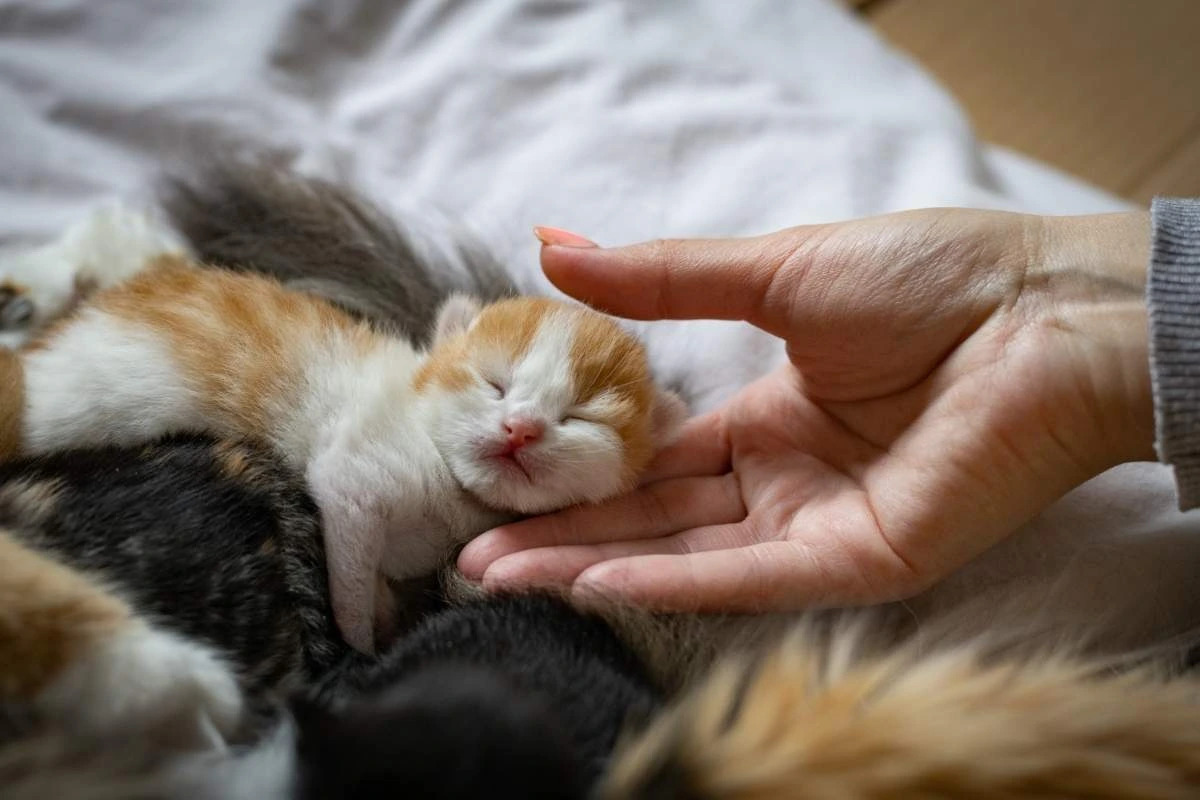


Spaying and neutering puppies and kittens is one of the most important decisions a pet parent can make. These procedures not only prevent unwanted litters but also provide numerous health and behavioral benefits. Yet, many owners wonder when the right time is and what to expect before and after surgery.
Understanding spaying and neutering puppies and kittens helps you plan appropriately, support your pet’s recovery, and make informed decisions for long-term health. Early intervention, combined with proper veterinary guidance, ensures that your young pet grows strong and healthy. This information is particularly valuable for pet families in Henrietta, NY.
What Are Spaying and Neutering?
Spaying refers to the surgical removal of a female pet’s ovaries and uterus. Neutering is the removal of a male pet’s testicles. Both procedures are routine and safe, especially when performed at the recommended age.
These surgeries are more than population control measures. They prevent health problems, reduce certain risky behaviors, and often improve the pet’s overall quality of life.
Timing: When to Spay or Neuter
Veterinarians generally recommend spaying or neutering puppies and kittens between 4 and 6 months of age, though some clinics may perform the procedures earlier or later based on individual health and breed considerations.
Key timing considerations include:
- Size and breed: Larger breeds may benefit from waiting slightly longer to allow for bone and joint development.
- Health status: Healthy pets are better surgical candidates. Pre-surgical exams help identify any underlying issues.
- Behavioral timing: Early spaying and neutering can reduce aggressive or territorial behavior, especially in male pets.
Scheduling surgery at the right time ensures the best outcomes and minimizes risks.
Benefits of Spaying and Neutering
1. Health Benefits
Spaying female pets eliminates the risk of ovarian and uterine cancers and significantly reduces the likelihood of mammary tumors. Neutering male pets prevents testicular cancer and lowers the risk of prostate disease.
2. Behavioral Benefits
Pets that are spayed or neutered are often calmer and less prone to roaming, marking territory, or aggressive behavior. Early surgical intervention helps foster better social behavior and easier integration into family life.
3. Population Control
One of the most obvious benefits is preventing unwanted litters. Every year, millions of kittens and puppies enter shelters. Spaying and neutering reduce the number of homeless animals and help alleviate overcrowding.
4. Lower Risk of Infections
Spaying female pets prevents potentially life-threatening uterine infections known as pyometra. Neutering males reduces the risk of infections linked to reproductive organs.
Preparing Your Pet for Surgery
Proper preparation ensures a smooth surgical experience. Your veterinarian will provide detailed instructions, including:
- Fasting guidelines: Typically, pets should not eat 8–12 hours before surgery.
- Pre-surgical exam: A full physical and sometimes bloodwork ensure your pet is a safe candidate.
- Comfort measures: Bring familiar blankets or toys to reduce stress.
Following these steps reduces complications and helps your pet recover more comfortably.
What to Expect After Surgery
After spaying and neutering puppies and kittens, some temporary changes are normal:
- Sleepiness and mild disorientation due to anesthesia
- Slight swelling or bruising around the incision
- Reduced appetite for a day or two
Post-operative care tips:
- Restrict activity for 7–14 days to prevent incision reopening
- Use an e-collar to prevent licking or chewing at the incision
- Administer prescribed pain medication or antibiotics
- Monitor for unusual swelling, bleeding, or discharge
Most pets recover fully within 10–14 days. By following your veterinarian’s instructions, you ensure a safe and comfortable healing process.
Long-Term Considerations
Spaying and neutering provide lifelong benefits, but your pet still needs routine wellness care. Annual exams, vaccinations, and preventive treatments keep your young pet healthy and detect issues early. Combining surgery with proper veterinary care for puppies and kittens gives your companion the best chance for a long, healthy life.
Spaying and neutering puppies and kittens provides numerous health, behavioral, and population-control benefits. Timing the procedure correctly, preparing your pet, and following proper aftercare are key to a safe and smooth recovery.
If you are in Henrietta, NY, and looking for a veterinarian you can trust, contact Ark Veterinary Hospital & Urgent Care today. Our experienced team will guide you through the process, answer all your questions, and provide compassionate care to help your pet grow healthy, happy, and well-adjusted for years to come.
FAQs
Q1. Can my kitten or puppy have surgery at 8 weeks old?
Ans. Yes, some veterinarians perform early spay/neuter, but most recommend waiting until 4–6 months unless medically indicated.
Q2. Will spaying or neutering make my pet overweight?
Ans. Weight gain can occur if diet and exercise are not adjusted post-surgery. Proper nutrition and activity management prevent obesity.
Q3. Are there risks associated with these procedures?
Ans. As with any surgery, risks exist, but complications are rare when performed by a trained veterinarian.
Q4. How long does surgery take?
Ans. Routine spay or neuter usually takes 30–60 minutes, plus recovery monitoring.
Q5. Can I cuddle my pet after surgery?
Ans. Yes, gentle attention is fine, but keep activity calm and avoid letting your pet jump or run.
Q6. When can my pet go back outside?
Ans. Pets should remain indoors and avoid strenuous activity until the incision is fully healed, usually about 10–14 days.