
Giving Your Pet the Best Start in Life
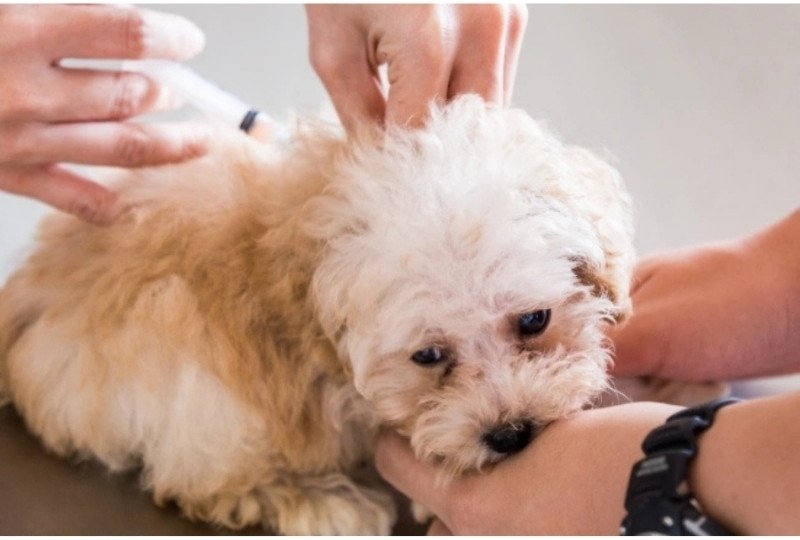
Bringing home a new puppy or kitten is an exciting milestone. Along with cuddles and playtime, it’s your responsibility to keep your furry friend safe from preventable diseases. That’s where vaccinations come in. At Ark Veterinary Hospital & Urgent Care in Henrietta, NY, we create tailored vaccine schedules by age to ensure your puppy or kitten builds strong, lasting immunity.
Just like children, young pets are especially vulnerable to illnesses before their immune systems fully develop. A customized vaccination plan keeps them protected at each stage of growth, helping you avoid unnecessary health risks.
Why Vaccinations Matter for Puppies and Kittens
Vaccines train your pet’s immune system to recognize and fight off harmful diseases. For puppies and kittens, early vaccines are vital because maternal antibodies fade after the first few weeks of life. Without proper protection, pets can face serious illnesses like parvovirus, rabies, or feline leukemia.
When combined with preventive care like brushing your pet’s teeth, spaying or neutering, and regular checkups, vaccinations form the foundation of lifelong health.
Puppy Vaccine Schedule by Age
Every puppy is unique, but most require a series of “core” vaccines starting at six to eight weeks old. Core vaccines protect against the most dangerous and widespread diseases.
Typical Puppy Vaccine Timeline
- 6–8 Weeks: Distemper, Parvovirus (DAPP), Bordetella (optional)
- 10–12 Weeks: DAPP booster, Leptospirosis (optional, depending on lifestyle)
- 14–16 Weeks: DAPP booster, Rabies (required by law in NY)
- 12–16 Months: DAPP, Rabies booster
- Every 1–3 Years: Ongoing boosters as recommended
Lifestyle vaccines, such as Lyme or Canine Influenza, may be suggested depending on whether your pup hikes, boards, or socializes with other dogs.
Kitten Vaccine Schedule by Age
Kittens also need a carefully structured vaccine plan to shield them from dangerous diseases. Feline vaccines protect against highly contagious viruses that spread through contact with other cats.
Typical Kitten Vaccine Timeline
- 6–8 Weeks: Feline Viral Rhinotracheitis, Calicivirus, Panleukopenia (FVRCP)
- 10–12 Weeks: FVRCP booster, FeLV (for kittens at risk)
- 14–16 Weeks: FVRCP booster, Rabies
- 12–16 Months: FVRCP, Rabies booster, FeLV (if needed)
- Every 1–3 Years: Boosters based on risk and lifestyle
For indoor-only kittens, FeLV may not be required long-term, but it is often recommended early to protect against unexpected exposures.
Tailored Care for Every Pet
Not every puppy or kitten will need the same vaccines. For example, a city-dwelling indoor cat’s needs differ from a Labrador that spends weekends hiking in the Finger Lakes. That’s why Ark Veterinary Hospital takes the time to design individualized vaccine schedules by age.
We also help pet parents track when shots are due, so your furry friend never falls behind. Think of it as a personalized roadmap to lifelong health.
Actionable Tips for New Pet Parents
- Keep a record: Save all vaccine documents in one folder for easy reference.
- Pair visits with wellness checks: Use vaccine appointments to monitor growth, behavior, and overall health.
- Maintain oral health: Start brushing your pet’s teeth early to get them comfortable with dental care.
- Watch for side effects: Mild soreness or fatigue is normal after vaccines. Contact your vet if you see persistent vomiting, swelling, or difficulty breathing.
- Stay on schedule: Missing vaccines leaves your pet vulnerable—set reminders on your phone or calendar.
Protecting Your Pet Starts Here
Staying on top of vaccine schedules by age is one of the best things you can do for your new puppy or kitten. At Ark Veterinary Hospital & Urgent Care in Henrietta, NY, our team is here to guide you through every step, from first shots to lifelong wellness.
If you live in Henrietta, NY, and are searching for the best puppy and kitten vaccinations near me, Ark Veterinary Hospital & Urgent Care offers tailored vaccine schedules by age to protect your pet’s health.
FAQs:
Q1. When should my puppy get its first vaccine?
Ans. Most puppies start their first round of vaccines between six and eight weeks of age, right after they’re weaned. This ensures early protection against serious diseases.
Q2. What happens if my kitten misses a vaccine?
Ans. If your kitten misses a scheduled vaccine, your veterinarian may restart the series or adjust the timeline. It’s important to catch up quickly to restore full immunity.
Q3. Are all vaccines mandatory for pets in New York?
Ans. The rabies vaccine is legally required for both dogs and cats in New York. Other vaccines, like distemper or feline leukemia, are strongly recommended but depend on lifestyle and risk.
Q4. How do I know which lifestyle vaccines my pet needs?
Ans. Your veterinarian will assess factors like outdoor exposure, travel habits, and boarding frequency. For example, a dog that visits daycare often may need Bordetella and Canine Influenza.
Q5. Can vaccines make my puppy or kitten sick?
Ans. Most pets tolerate vaccines well. Mild side effects such as tiredness or a small lump at the injection site are common and temporary. Severe reactions are rare but should be reported immediately.
Q6. How do vaccines fit into overall preventive care?
Vaccines are one part of keeping your pet healthy. Combined with brushing your pet’s teeth, parasite prevention, and regular exams, they create a complete preventive care plan.