
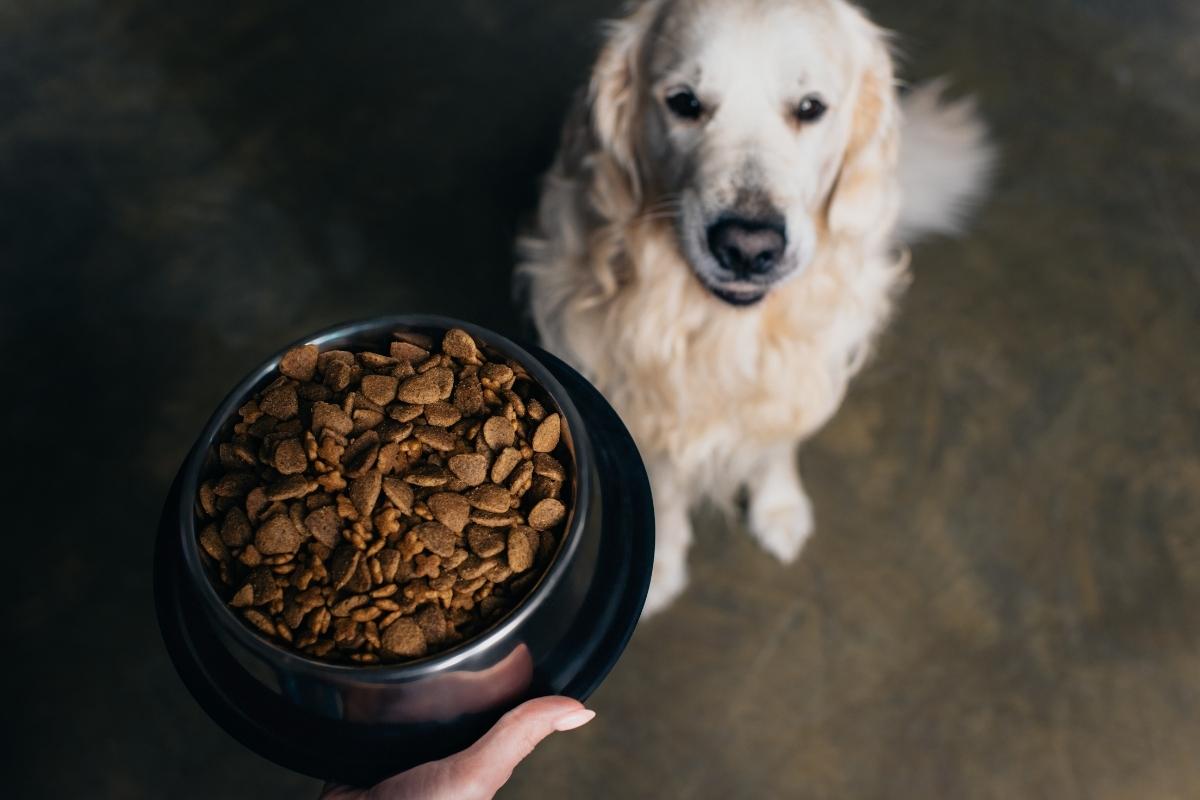
Watching your faithful companion grow older brings mixed emotions. Those gray hairs around the muzzle and slower morning stretches remind you how precious every moment together truly is. As your dog enters their golden years, nutritional needs change dramatically. Finding the healthiest food for a senior dog becomes essential for maintaining vitality, mobility, and overall quality of life.
The right diet can add comfortable years to your aging pet’s life. Senior dogs require specific nutrients in different proportions than younger pups. Understanding these changes empowers you to make informed feeding decisions that support your loyal friend through every stage of aging.
Understanding Senior Dog Nutritional Needs
Dogs typically enter their senior phase between ages seven and ten, depending on breed size. Larger breeds age faster than smaller companions. During this transition, metabolism slows considerably while certain health risks increase.
Senior dogs generally need:
- Fewer calories to prevent unhealthy weight gain
- Higher quality protein to maintain muscle mass
- Increased fiber for digestive health
- Joint-supporting nutrients like glucosamine
- Enhanced vitamin and antioxidant levels
These nutritional shifts help aging bodies function optimally despite natural decline.
Key Ingredients in Healthy Senior Dog Food
High-Quality Protein Sources
Contrary to outdated beliefs, senior dogs need more protein, not less. Quality matters tremendously here. Look for foods listing real meat as the first ingredient.
Excellent protein sources include:
- Chicken or turkey breast
- Lean beef or lamb
- Fish like salmon or whitefish
- Eggs for easily digestible nutrition
Protein maintains muscle mass, supports immune function, and provides sustained energy throughout the day.
Healthy Fats and Omega Fatty Acids
Omega-3 and omega-6 fatty acids support cognitive function, coat health, and joint comfort. Fish oil, flaxseed, and chicken fat provide these essential nutrients. However, total fat content should remain moderate to prevent weight issues.
Senior formulas typically contain 10-15% fat content compared to higher levels in adult maintenance foods.
Fiber and Digestive Support
Aging digestive systems benefit from increased fiber content. Fiber promotes healthy bowel movements and supports beneficial gut bacteria. Sweet potatoes, pumpkin, and brown rice offer gentle fiber sources that most senior dogs tolerate well.
Probiotics and prebiotics further enhance digestive efficiency in older pets.
Foods to Avoid for Senior Dogs
Certain ingredients harm aging dogs more than younger counterparts. Eliminate or minimize these from your senior dog’s diet:
- Excessive sodium: Stresses kidneys and heart
- Artificial preservatives: BHA, BHT, and ethoxyquin lack safety data
- Fillers like corn syrup: Empty calories promote obesity
- High-fat table scraps: Trigger pancreatitis risk
- Xylitol and chocolate: Toxic at any age but especially dangerous for seniors
Reading ingredient labels carefully protects your aging companion from harmful additives.
Wet Food vs. Dry Food for Older Dogs
Both formats offer advantages for senior dogs. Your choice depends on individual circumstances.
Benefits of Wet Food
Wet food provides higher moisture content, supporting kidney function and hydration. Softer textures help dogs with dental issues or missing teeth eat comfortably. Many senior dogs find wet food more palatable and aromatic.
Benefits of Dry Kibble
Quality dry food offers dental benefits through mechanical cleaning action. Kibble stores easily and costs less per serving typically. Many senior-specific dry formulas include joint supplements directly in the food.
Consider mixing both formats for optimal benefits and variety.
How Much Should Senior Dogs Eat?
Caloric needs decrease approximately 20% as dogs age. However, individual requirements vary based on activity level, health status, and metabolism.
General feeding guidelines:
- Feed two smaller meals daily rather than one large portion
- Measure food accurately using standard cups
- Adjust quantities based on weight changes
- Monitor body condition score regularly
Your veterinarian can calculate precise caloric needs during wellness examinations.
Signs Your Senior Dog Needs a Diet Change
Watch for these indicators suggesting current food isn’t meeting needs:
- Unexplained weight loss or gain
- Dull, flaky coat appearance
- Decreased energy or enthusiasm
- Digestive upset or irregular bowel movements
- Increased stiffness or mobility issues
- Reduced appetite or food refusal
Any significant changes warrant veterinary evaluation before adjusting diet independently.
Choosing the healthiest food for a senior dog directly impacts their comfort and longevity. Prioritize high-quality proteins, appropriate fat levels, and joint-supporting nutrients in every meal. Your aging companion depends on you to make dietary decisions that honor their years of faithful friendship.
Schedule a nutritional consultation with your veterinarian to create a personalized feeding plan. With proper nutrition and attentive care, your senior dog can enjoy their golden years with energy, comfort, and the vibrant spirit you’ve always loved.
Conveniently located in Henrietta, NY, if you are searching for senior pet care near me, then Ark Veterinary Hospital & Urgent Care is the ideal choice for your dog. Their dedicated team provides personalized diet planning and nutritional guidance to support your pet’s long-term health and well-being.
Frequently Asked Questions:
Q1: At what age should I switch my dog to senior food?
Ans: Most dogs benefit from senior formulas around age seven. Large and giant breeds may transition earlier at age five or six. Consult your veterinarian for personalized timing based on your dog’s health status.
Q2: Is grain-free food better for senior dogs?
Ans: Not necessarily. Recent research links some grain-free diets to heart problems. Unless your dog has been diagnosed with grain allergies, quality whole grains provide beneficial nutrients and fiber for aging digestive systems.
Q3: How do I transition my senior dog to new food?
Ans: Gradually introduce new food over seven to ten days. Start with 25% new food mixed with 75% current food. Slowly increase the new food ratio while decreasing the old formula to prevent digestive upset.
Q4: Should senior dogs take supplements with their food?
Ans: Many senior dogs benefit from glucosamine, omega fatty acids, and joint supplements. However, quality senior foods often include these nutrients already. Discuss specific supplement needs with your veterinarian before adding extras.
Q5: Can senior dogs eat homemade food safely?
Ans: Homemade diets can work for seniors when properly balanced. However, creating nutritionally complete meals requires careful planning. Work with a veterinary nutritionist to ensure homemade food meets all essential requirements.
Q6: Why is my senior dog always hungry but losing weight?
Ans: Increased hunger with weight loss may indicate diabetes, thyroid issues, or malabsorption problems. These symptoms require immediate veterinary attention to identify underlying health conditions affecting nutrient utilization.
Related Articles