

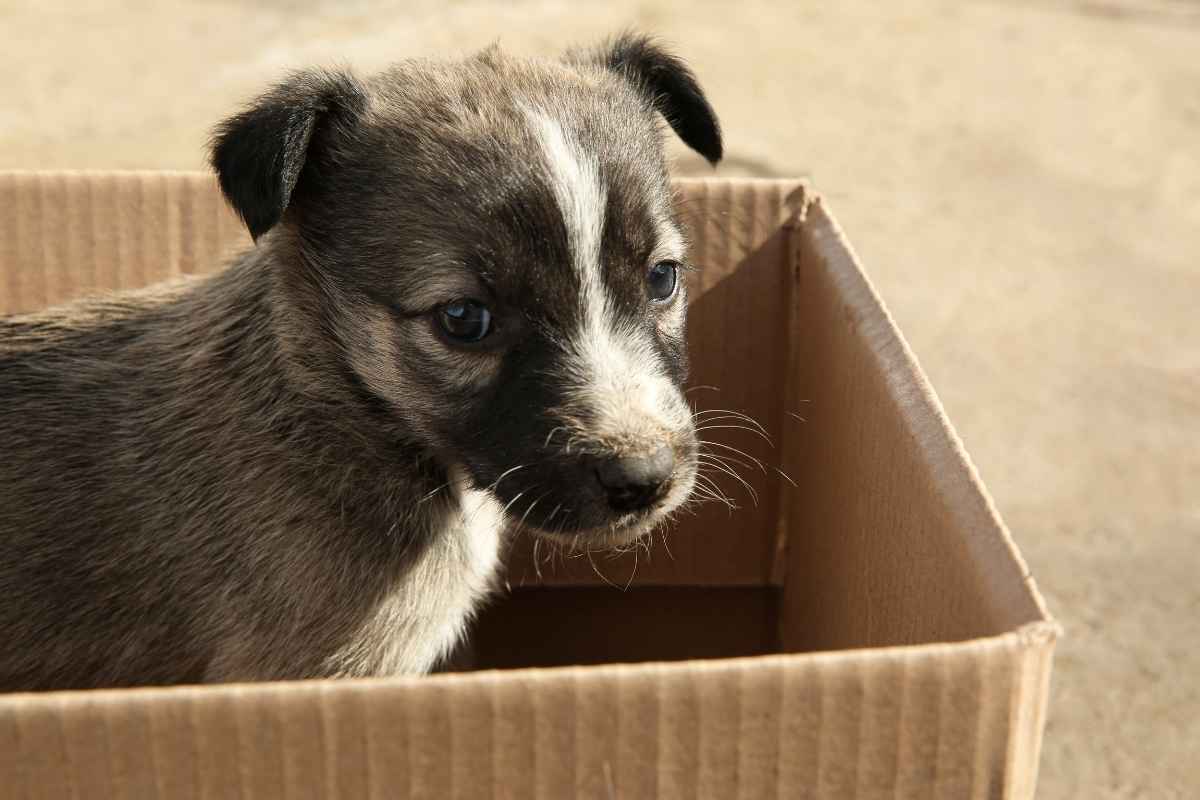
Adopting a rescue dog is a deeply rewarding experience, but it also comes with an adjustment period that many new pet parents underestimate. Rescue dogs often come from uncertain backgrounds and need time, patience, and understanding to feel safe in a new home. At Ark Veterinary Hospital & Urgent Care, we regularly guide families through this transition and emphasize realistic expectations from day one. One of the most helpful frameworks for understanding this adjustment is the 3-3-3 Rule. This guideline explains what many rescue dogs experience during their first three days, three weeks, and three months in a new environment. Understanding this process can help set your dog up for long-term success, especially for pet owners in Henrietta, NY.
What Is the 3-3-3 Rule?
The 3-3-3 Rule is a general timeline that outlines how rescue dogs typically decompress and adjust after adoption. While every dog is unique, this rule provides valuable insight into common behaviors and emotional changes that occur as your dog settles in. Knowing what to expect allows you to respond with patience rather than concern during this crucial transition.
The First 3 Days: Decompression and Overwhelm
The first three days after adoption are often the most overwhelming for a rescue dog. Everything is new—sounds, smells, people, routines, and surroundings. During this time, many dogs may appear withdrawn, anxious, or even shut down. Some dogs may sleep excessively, refuse food, or avoid interaction, while others may show signs of stress such as pacing or whining.
This phase is about decompression. Your dog is trying to process a major life change, and it’s important to keep expectations low. Avoid overwhelming them with visitors, outings, or excessive handling. Provide a quiet, safe space where they can retreat and observe at their own pace. Establishing gentle routines early on can help your dog feel more secure during these first few days.
The First 3 Weeks: Learning the Routine
After the initial shock wears off, most dogs begin to feel a little more comfortable around the three-week mark. This is when their personality may start to emerge. You may notice increased curiosity, playfulness, or attachment, but you may also see behavioral challenges such as testing boundaries, mild anxiety, or inconsistent house training.
During this phase, your dog is learning your daily routine and starting to understand what is expected of them. Consistency is key. Regular feeding times, walks, and rest periods help build predictability and trust. Basic training, positive reinforcement, and calm guidance go a long way in helping your dog adjust.
This is also an ideal time to schedule a wellness visit. Early veterinary guidance supports long-term pet wellness care by identifying health concerns, discussing nutrition, and creating a preventive plan tailored to your dog’s needs.
The First 3 Months: Feeling at Home
By the three-month mark, many rescue dogs begin to truly feel at home. They understand the household routine, recognize their family as a source of safety, and start forming strong bonds. Confidence often increases, and behaviors stabilize as trust grows.
That said, this is also when some dogs may feel comfortable enough to express deeper behavioral traits, including fears or habits that weren’t obvious earlier. Continued training, patience, and reinforcement of boundaries are important. This stage is less about survival and more about integration—your dog is becoming part of the family.
Ongoing veterinary visits during this time play a vital role in reinforcing pet wellness care, ensuring both physical health and emotional well-being are supported as your dog settles into their new life.
Why the 3-3-3 Rule Matters
Understanding the 3-3-3 Rule helps prevent unrealistic expectations that can lead to frustration or concern. Many adopters worry when their dog doesn’t immediately act happy or well-adjusted. In reality, these behaviors are normal and temporary. The rule reminds us that trust takes time and that progress happens in stages.
By respecting this adjustment timeline, you’re giving your dog the space they need to feel safe, confident, and secure. This foundation strengthens the human–animal bond and reduces the risk of behavioral issues down the road.
Supporting Your Rescue Dog’s Transition
In addition to patience and consistency, professional support can make a significant difference. A veterinarian can help assess your dog’s overall health, recommend behavior resources, and guide you on nutrition and preventive care. Establishing veterinary care early ensures your dog’s transition is supported from every angle.
At Ark Veterinary Hospital & Urgent Care, we believe successful adoption starts with education, compassion, and proactive care. We’re here to support you through every stage of your rescue dog’s journey.
FAQs
Q1. Is the 3-3-3 Rule the same for every rescue dog?
Ans. No, every dog is different. The rule is a general guideline, and some dogs may adjust faster or slower depending on their background and temperament.
Q2. Why does my rescue dog seem withdrawn at first?
Ans. This is common during the first three days. Your dog is decompressing and learning that they are safe in a new environment.
Q3. When should I start training my rescue dog?
Ans. Basic routines can start right away, but more structured training is often most effective once your dog feels comfortable, usually within the first few weeks.
Q4. Should I introduce my dog to new people immediately?
Ans. It’s best to limit new introductions at first. Gradual exposure helps prevent overwhelm and builds confidence.
Q5. When should I schedule a vet visit after adoption?
Ans. Ideally, within the first few weeks. Early veterinary care helps establish a health baseline and supports long-term wellness.
Q6. What if my dog shows behavioral issues after a few months?
Ans. This can be part of the adjustment process. Consult your veterinarian or a professional trainer for guidance and support.