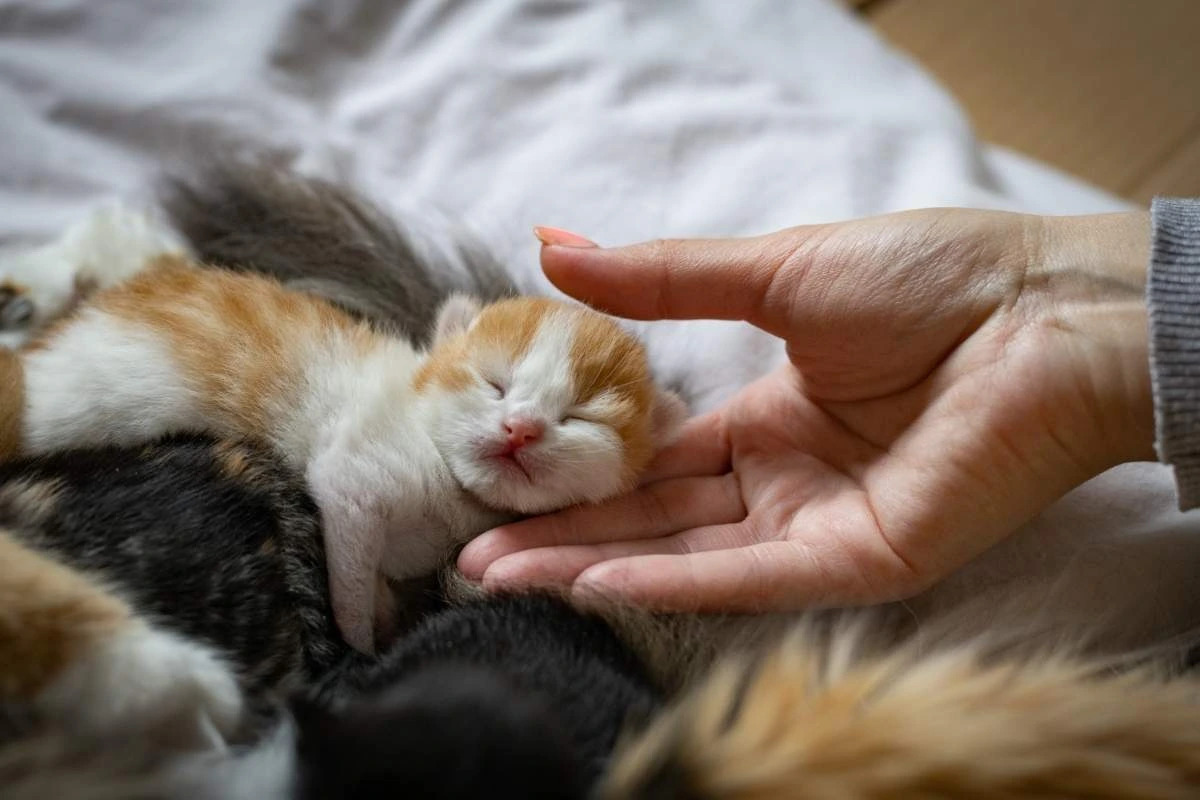


Welcoming a new puppy or kitten into your home is exciting—and it comes with some important responsibilities. One of the most significant is getting their nutrition right during that critical first year. Good early nutrition plays a vital role in supporting healthy growth, strong immunity, and lifelong well-being. In this guide, we’ll break down exactly what to feed puppies and kittens in their first year, offering clear advice and a simple meal plan to help you feel confident and prepared.
Why the First Year Matters
Puppies and kittens grow at a rapid pace—bones lengthen, muscles develop, and their organ systems mature. Feeding them well in that first year sets the foundation for long-term health, strong immunity, and proper development.
Using the right primary food, balanced with proper amounts and feeding frequency, helps prevent issues like obesity later on, skeletal problems, or nutritional gaps. Transitioning to adult foods too early or feeding adult food all along may leave them under-nourished for their growth needs.
Key Nutrition Basics for Puppies & Kittens
- High-quality, growth-formulated diet: Puppies and kittens need specially formulated foods labeled for “growth” or “all life stages (growth).”
- Protein & energy density: Their demands are higher than adult pets—look for higher percentages of protein, and adequate fat and calories.
- Feeding frequency: Young pets eat small meals more frequently.
- Controlled treats & extras: Treats should be kept to a small percentage of overall calories—focus is on the main diet.
- Gradual transitions: When switching foods or moving toward adult diet, do so gradually over 7–10 days to avoid digestive upset.
Simple Meal Plan: Puppies
0–4 Months
- Feed 3–4 meals per day.
- Use a high quality “puppy growth” formula. Portion according to packaging and adjust for breed size.
- Example: Morning, midday, early evening plus optional small bedtime snack.
4–9 Months
- If large-breed puppy (expected to weigh > 60 lbs adult), continue growth formula until ~12–18 months (or per your vet’s advice). For small/medium breeds, you might drop to 2–3 meals a day after 6 months.
- Monitor body condition: you should feel the ribs under a light covering, no heavy belly.
9–12 Months
- For small/medium breeds you can slowly transition to adult maintenance food around month 12. For large/giant breeds, wait until skeletal maturity (12–18 months) before adult diet.
- Reduce to 2 meals per day (morning & evening) unless your vet advises otherwise.
Actionable tip: Use a measuring cup and track the amount your puppy eats each day. Adjust if they’re gaining too fast or appear overly thin—discuss goals with your vet.
Simple Meal Plan: Kittens
0–6 Months
- Feed 3–4 meals per day of a kitten-specific diet (growth, high protein).
- Provide free access to fresh water and keep dry food available between meals if recommended.
6–12 Months
- Many cats can move to 2–3 meals per day around 9 months. At around 12 months you can often transition to adult cat food—unless the cat is a large breed or your vet advises otherwise.
- Continue monitoring body weight and condition—kittens should remain lean and active, not pudgy.
Actionable tip: Use interactive feeding (e.g., puzzle feeders or timed meals) to support good eating habits and avoid boredom/over-eating as your kitten grows.
Tips Every Pet Owner Should Know
- Always check the label: Foods labeled “for growth” or “puppy/kitten” are essential for the first year.
- Keep treat calories < 10% of daily intake.
- Don’t mix multiple diet formulas unless instructed—stick with one trusted brand unless switched by your vet.
- Watch for signs of under- or over-feeding: lack of energy, coat dullness, or excessive weight gain.
- Schedule regular check-ups which can adjust diet and portions as your pet grows.
- When changing brands or formulas, mix the new food gradually over about a week (start 25% new/75% old, then 50/50, then 75/25).
- Large-breed puppies require special attention: growth formulas must avoid being too calorie-dense to prevent overly rapid bone growth, which can cause joint issues.
At Ark Veterinary Hospital & Urgent Care, we believe that good early nutrition greatly enhances a pet’s quality of life. That’s why we encourage pet owners to ask questions, schedule weight-and-growth check-ins, and stay consistent with feeding routines.
By following this guide on what to feed puppies and kittens in their first year, you’re setting your new companion up for a healthy, happy life. If you need personalized guidance on puppy and kitten care in Henrietta, NY, we’re here to support you every step of the way.
FAQs
Q1: When can I switch my puppy/kitten to adult food?
Ans. Typically, around 12 months for small/medium breeds or cats; large/giant-breed dogs may require growth formulas until 12–18 months. Always consult your vet for your pet’s specific breed and growth rate.
Q2: Can I feed homemade food to my puppy or kitten?
Ans. You can, but it must be formulated by a veterinary nutritionist to ensure proper vitamins, minerals, calcium/phosphorus balance, and calories. Most owners are safest using a commercial growth diet.
Q3: How many treats is too many?
Ans. As a rule of thumb, treats should make up less than 10% of your pet’s daily calorie intake. Focus should remain on the main diet for growth.
Q4: My puppy seems very hungry all the time—what to do?
Ans. First, check that meal portions are correct for the growth stage. If appetite still seems excessive, check for parasites or underlying health issues. Bring your puppy in for a check-up if you’re unsure.
Q5: Should large-breed puppies be fed the same diet as small-breed puppies?
Ans. No—large-breed puppies need growth formulas formulated for their slower, safer skeletal development. Their calorie and nutrient needs differ from small/medium breeds.
Q6: What if my kitten stops eating for a day or two?
Ans. In kittens, not eating more than 24–48 hours is a concern (risk of hepatic lipidosis in cats). Offer a palatable growth diet and call your vet if appetite doesn’t resume quickly.