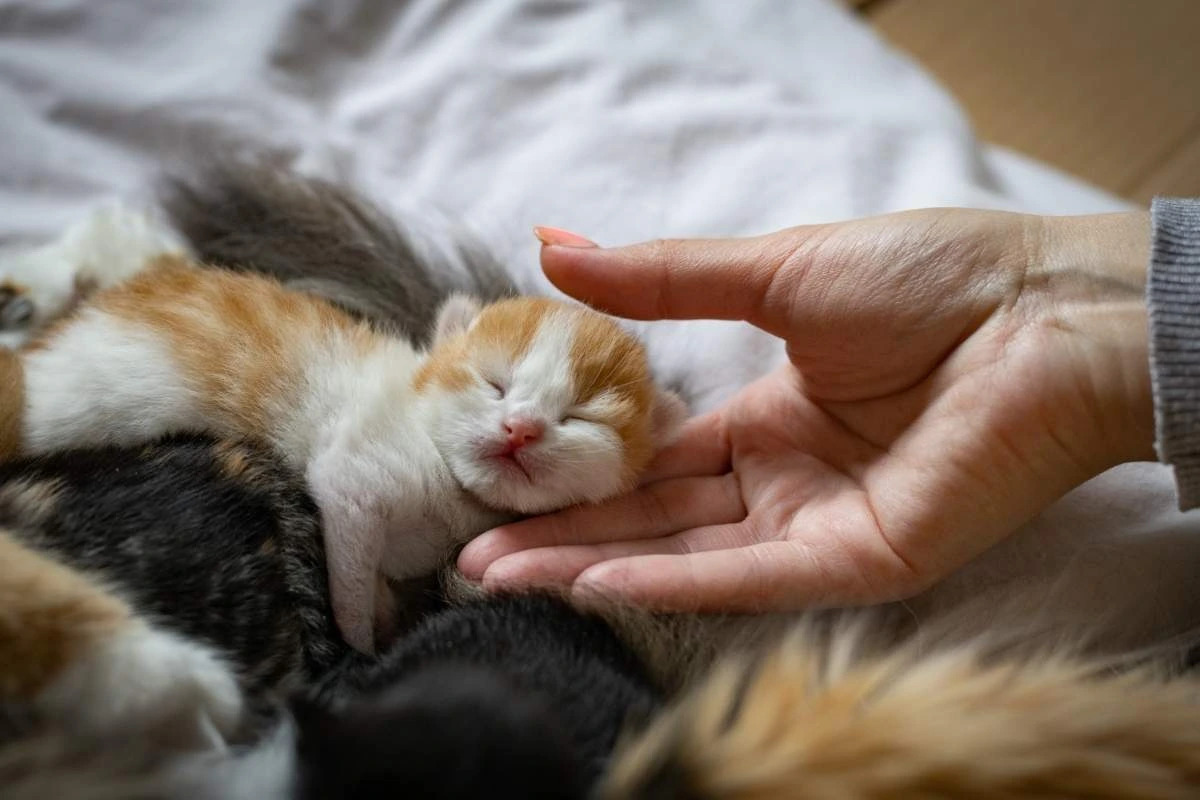


Bringing home a new puppy or kitten is an exciting journey full of joy and new responsibilities. Proper care early in your pet’s life is crucial to set the foundation for a healthy, happy, and well-adjusted companion. Whether you’re a first-time pet owner or adding to your furry family, understanding the essentials of puppy and kitten care will help you confidently meet their unique needs. This guide covers important topics from nutrition and vaccinations to socialization and veterinary advice, with helpful tips tailored for those seeking quality care in Henrietta, NY.
Understanding Puppy & Kitten Care Basics
New pet care starts with recognizing that puppies and kittens have immature immune systems and distinct developmental milestones. Puppies and kittens require special nutrition, a safe and loving environment, early socialization, and routine wellness visits to grow strong. Vaccinations and parasite control protect them from common but serious diseases, making a veterinary partnership essential.
Puppy Tips to Raise a Healthy Dog
Puppies need age-appropriate vaccinations to help build strong immunity and protect them from serious illnesses. Some vaccines are considered essential for overall health, while others may be recommended based on your puppy’s lifestyle and exposure risks. It’s best to avoid places commonly visited by other dogs until your puppy’s vaccination schedule is complete to help reduce the risk of infection.
Feeding high-quality puppy food fulfills nutritional needs for rapid growth—feed small, frequent meals tailored to breed size and puppy age. Early training with positive reinforcement encourages good behavior and social skills, while setting schedules for bathroom and grooming routines promotes good habits.
Kitten Care Guide for Happy, Healthy Cats
Kittens grow fast and need a diet rich in proteins and essential nutrients designed for their feline needs. Keeping kittens indoors until they complete vaccinations is key to safeguarding against infectious diseases. Their socialization period is crucial; gentle handling and exposure to different sounds, sights, and people build confidence.
Introduce a clean litter box and scratching posts early to establish good hygiene and natural behaviors. Spaying or neutering your kitten between 4 to 6 months can prevent unwanted litters and certain health issues, while also reducing challenging behaviors during heat cycles.
Essential Veterinary Advice: Wellness Exams and Vaccinations
Routine veterinary wellness exams form the backbone of preventive puppy and kitten care in Henrietta, NY. Vets recommend vaccination schedules tailored to your pet’s age, breed, and lifestyle. Parasite control—including flea, tick, heartworm, and intestinal worm prevention—is another vital component for long-term pet health.
Microchipping provides permanent identification that significantly increases the chance of recovering lost pets. Spaying and neutering not only assist population control but also reduce cancer risks and behavioral problems.
Creating a Safe, Comfortable Home for Your New Pet
Puppies and kittens explore their environment by chewing and investigating, so pet-proof your home by removing hazards such as loose wires, poisonous plants, and tiny items that pets might swallow. Provide a warm bed, clean water, and toys suited for their age to support physical and mental stimulation.
Establishing a consistent daily routine involving feeding, playtime, training, and rest builds security and makes transitioning to a new home easier. Positive reinforcement helps manage unwanted behaviors like biting or scratching.
Practical Advice for First-Time Pet Parents
- Schedule the first veterinary visit within a week of bringing your puppy or kitten home.
- Maintain a thorough log of your pet’s medical history and vaccinations.
- Feed age-appropriate, nutritious food on a regular schedule.
- Start socialization early with safe and supervised interactions.
- Regular grooming and hygiene checks prevent skin and dental issues.
- Use microchipping as a permanent safety measure and update pet owner info regularly.
Frequently Asked Questions:
Q1. How often should I feed my new puppy or kitten?
Ans. Feed puppies and kittens three to four small meals a day using specially formulated food for their stage during their early stages to encourage proper development
Q2. When do pets need their vaccinations?
Ans. Vaccinations generally begin at 6-8 weeks old and continue in a series until immunity is established, usually by 16 weeks.
Q3. Why is spaying or neutering important?
Ans. Spaying or neutering reduces the risk of reproductive cancers, prevents uncontrolled breeding, and often improves pet behavior.
Q4. How do I safely socialize my new pet?
Ans. Gradually expose your pet to various people, animals, and environments while ensuring their safety and vaccination status.
Q5. What parasites should I protect my pet against?
Ans. Common parasites include fleas, ticks, heartworms, and intestinal worms; regular prevention and screenings are crucial.
Q6. What essential items should I prepare for my new puppy or kitten?
Ans. Have feeding bowls, a cozy bed, suitable toys, grooming supplies, a crate or carrier, and cleaning materials ready before your pet arrives.